


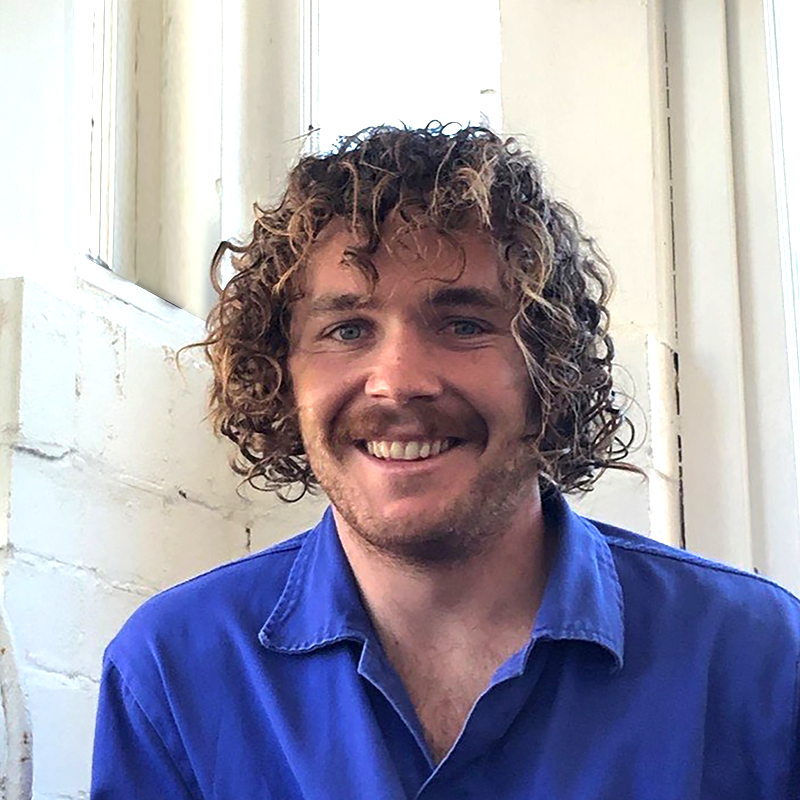

Free public transport while petrol costs soar is not much help if the bus only comes a couple of times a day, a major Aboriginal service provider in the Shepparton region says.
Rumbalara Aboriginal Co-operative, based in Mooroopna, delivers services to their community ranging from Elder and disability care to youth, mental and physical health, homelessness and housing support.
Greater Shepparton has the third-highest Indigenous population of any LGA in Victoria.
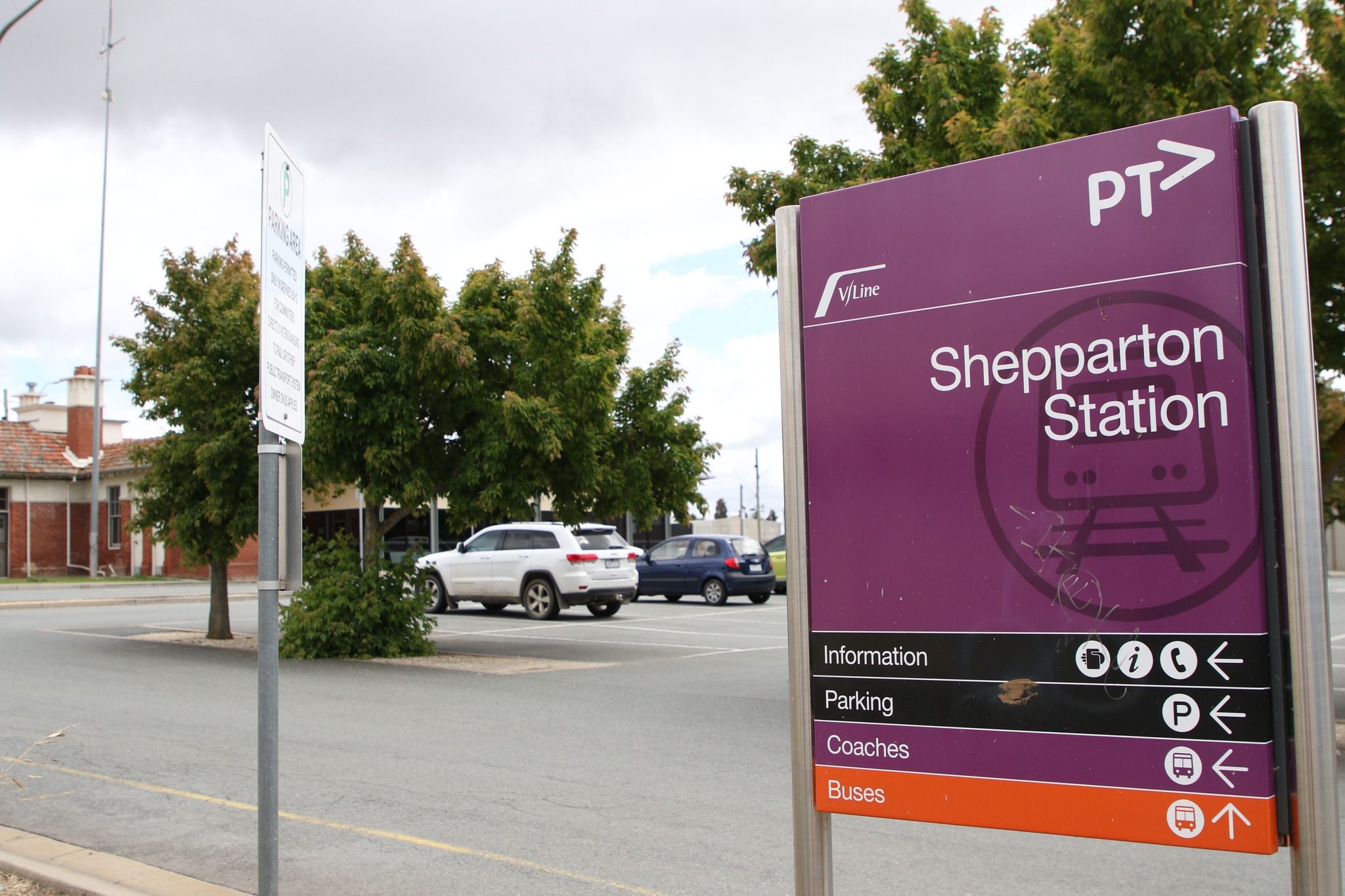
The bus to Rumbalara's main facility comes about once an hour on a weekday, and requires 20 minute walk from the closest stop, if you were to leave from Shepparton's major interchange.
A train trip on the Seymour line will get you a little closer, but arrives just three to four times between 9am and 5pm, again leaving from Shepparton.
Coming from any further out than the middle of town makes things more difficult. The same goes for their main office.
%20Rumbalara%20Aboriginal%20Co-op%20-%20image,%20facebook.jpg)
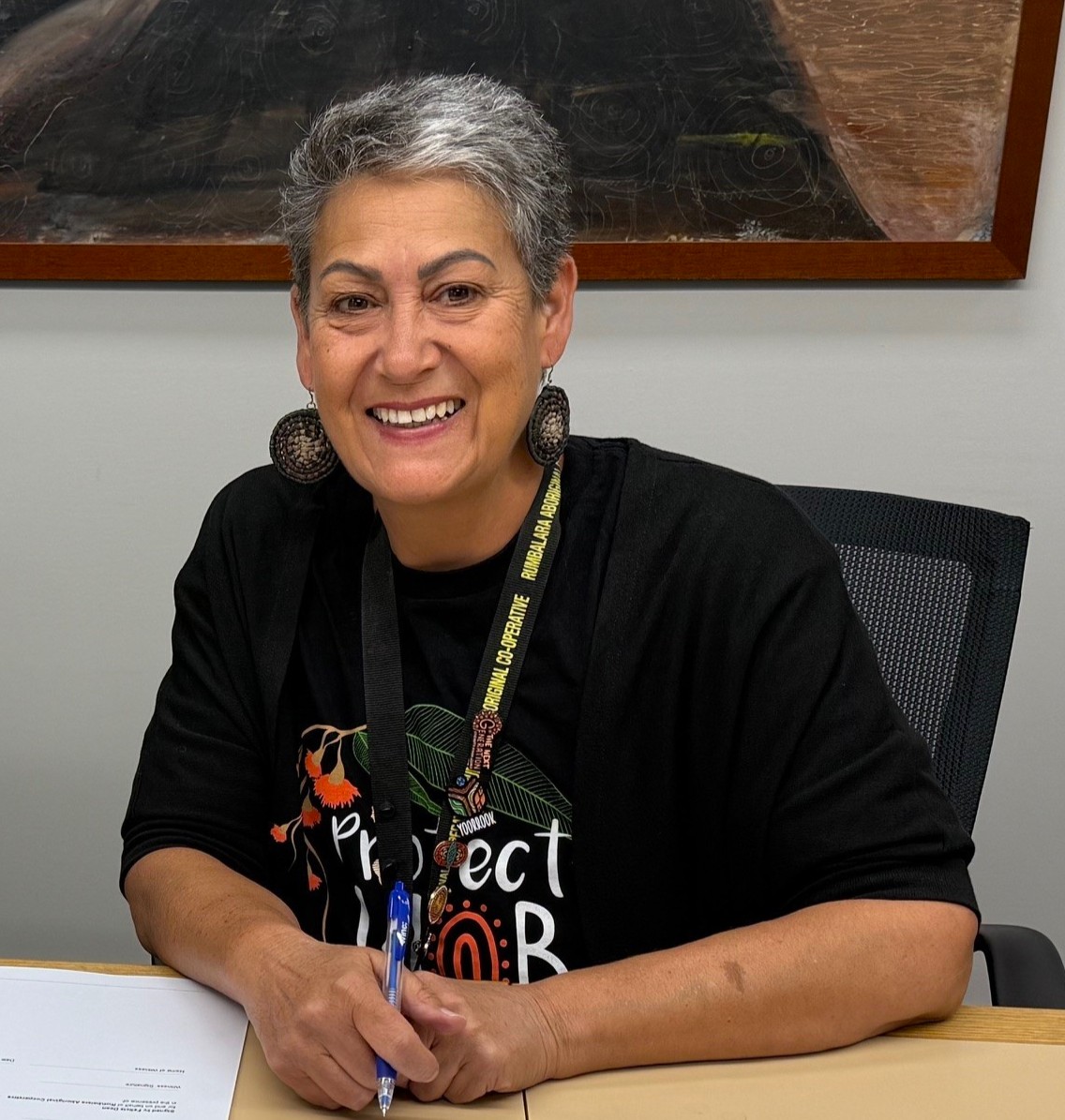
"We recognise the positive intent behind free public transport during the fuel crisis, however the impact for regional communities like ours is minimal," Rumbalara chief executive Felicia Dean told National Indigenous Times.
Victorians can use public transport without charge between March 31 and April 30, with the exception of ferries and privately-run services, while the federal government's move for a fuel excise cut is expected to drop petrol and diesel prices by around 25 cents.
This will still leave drivers paying upwards of $2 and $3 for the fuel types, respectively, and with no clear idea on when global supplies will begin to flow and ease the pain amid a cost-of-living crisis.
In an address to the nation on Wednesday night, Prime Minister Anthony Albanese said Australia is experiencing "the biggest spike in petrol and diesel prices in history" as a result of the war in the Middle East, adding "the economic shocks caused by this war will be with us for months".
Mr Albanese asked those who can use public transport to do so, for the benefit of those who must drive.
As of January 1 in Melbourne, public transport fares for ordinary myki Pass holders increased marginally to a cap of $11.40 per day across zones 1 and 2 (to $7.20 for zone 2 only - suburbs further out). There's an $8 cap on weekends.
Concession card holders pay $8 and $4 respectively.
Ms Dean said more services in communities like hers remain what's truly needed to make a difference, despite the state government's recent action which has seen 200 extra V/Line services introduced around the state over the past three years.
"Limited-service availability already restricts access for many people, highlighting the ongoing need for greater investment in regional transport to ensure equitable access to essential services and opportunities," Ms Dean said.
"Without sufficient services in place, temporary measures cannot deliver the same level of relief. Long-term investment in regional transport is essential to ensure our communities are not left behind."
The Victorian Council of Social Service, the state's social and community sector, shared a similar sentiment.
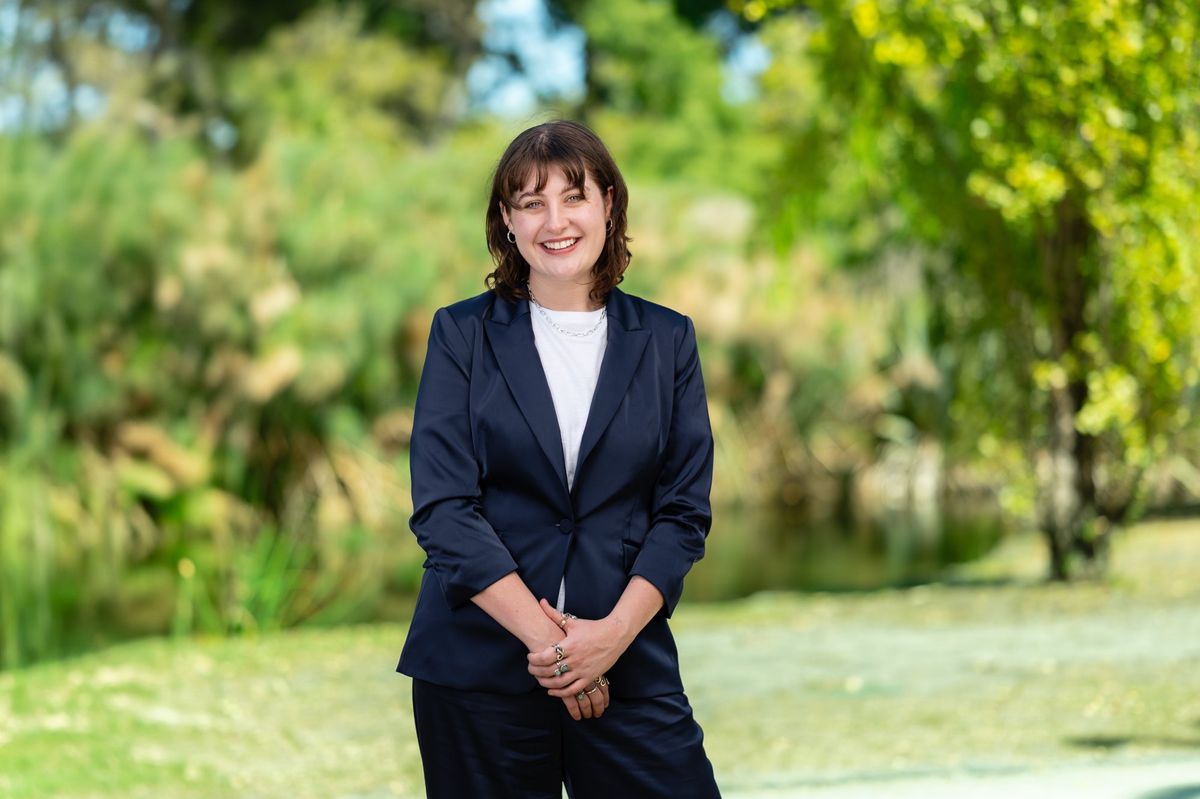
VCOSS chief executive Juanita Pope 'applauded' the state government's action at the weekend she would help "people who were already struggling to pay the rent, put food on the table and keep the lights on".
Though for those who rely on public transport, more options would make a great impact, she said.
"A month of free public transport is a great move, and this would be even more impactful if the Government also focused on providing extra public transport for people for whom these forms of transport are essential," Ms Pope told National Indigenous Times.
"This includes rural and regional communities, and people who don't drive."
The Victorian Aboriginal Child and Community Agency (VACCA) are putting in plans to ensure they can continue their work delivering priority services if fuel supply and prices put strain on their ability to do so.
The organisation nevertheless welcomed the month of free public transport, for both their staff and community.
VACCA employs over 1000 people across the state, delivering more than 80 services like those of Rumbalara.
"With the current cost of living crisis and with free public transport available to community to access our services and for staff to use to commute to work we support this decision to make things easier," VACCA acting co-chief executive Corey Harrison said.
It was the state's Greens who first called for period of tapping on and off without charge. Brittney Henderson, who is Wiradjuri-Bunurong, is the party's lower house lead candidate for Metropolitan East in this year's election.
"It's so awesome to see the government taking on the Greens idea to make public transport free, but there's still a lot of work to do for public transport justice; we need increased and improved services, especially in the West where our communities are frustrated and tired," they said.
The Greens are set to continue advocating for people "who experience the lived realities of transport inequality", they added.
"We know the only way these things become reality is if the Greens first reimagine what these systems should be and point the Allan government in the right direction"
48 hours before the measures came into effect, Victorian Premier Jacinta Allen admitted it "won't solve every problem, but it's an immediate step to help Victorians right now while we keep working on new solutions to make Victoria more affordable".
Minister for Public and Active Transport Gabrielle Williams said "fuel prices are rising and Victorian families are feeling it ... free public transport will make a real difference for all".
"Our transport system can support this as a temporary measure, and it's important to support Victorians right now."
A Victorian Government spokesperson told National Indigenous Times: "Free public transport for a month benefits everyone, because it takes pressure off the pump."
The spokesperson noted the Farmers Federation had welcomed the move, saying: "with fuel still under pressure, free public transport is one of the few practical levers available to help Victorians conserve fuel and save money".
"Free public transport helps people save on public transport and it gets more cars off the road for people who have to drive," the government spokesperson added.



