




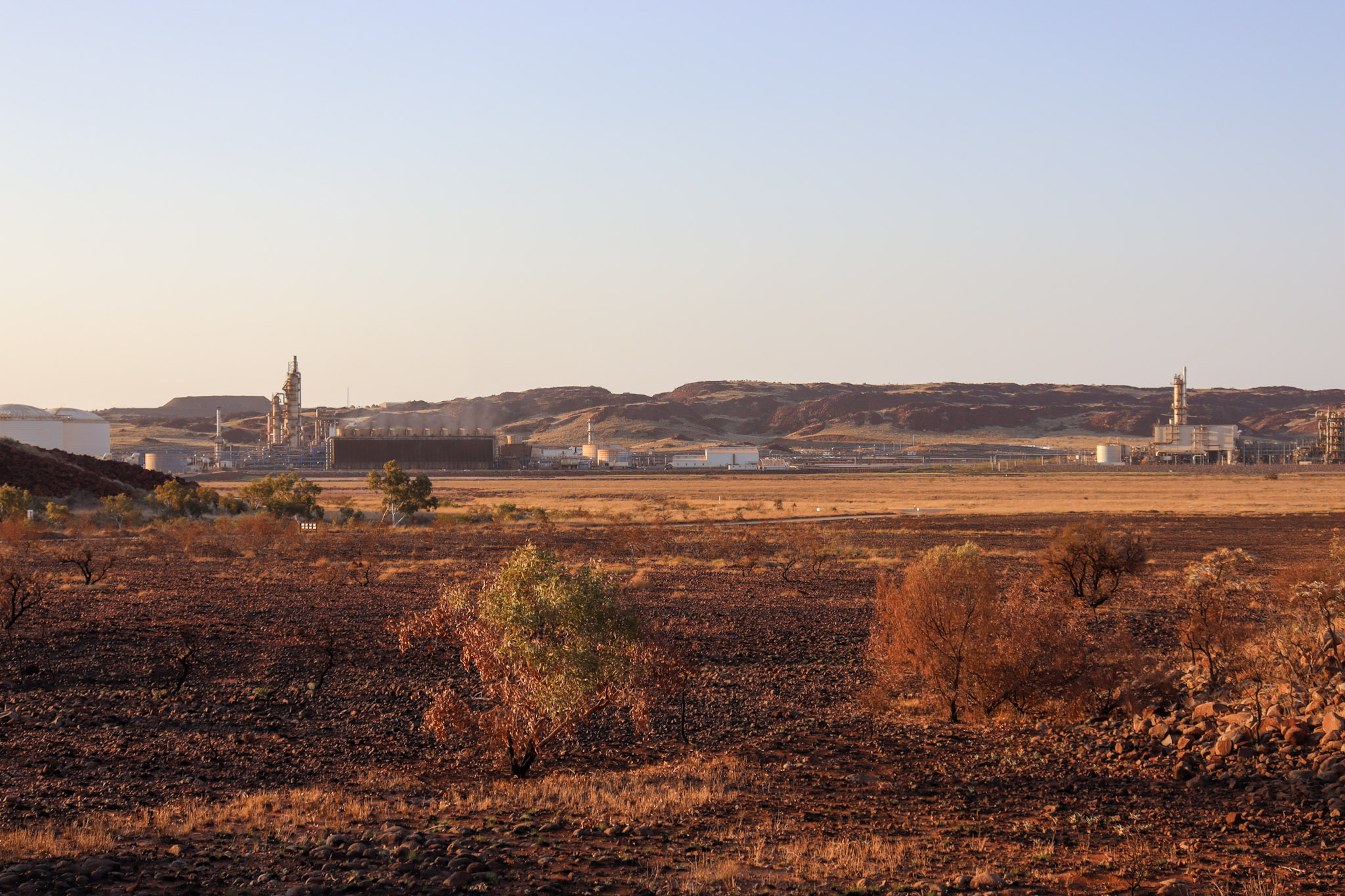
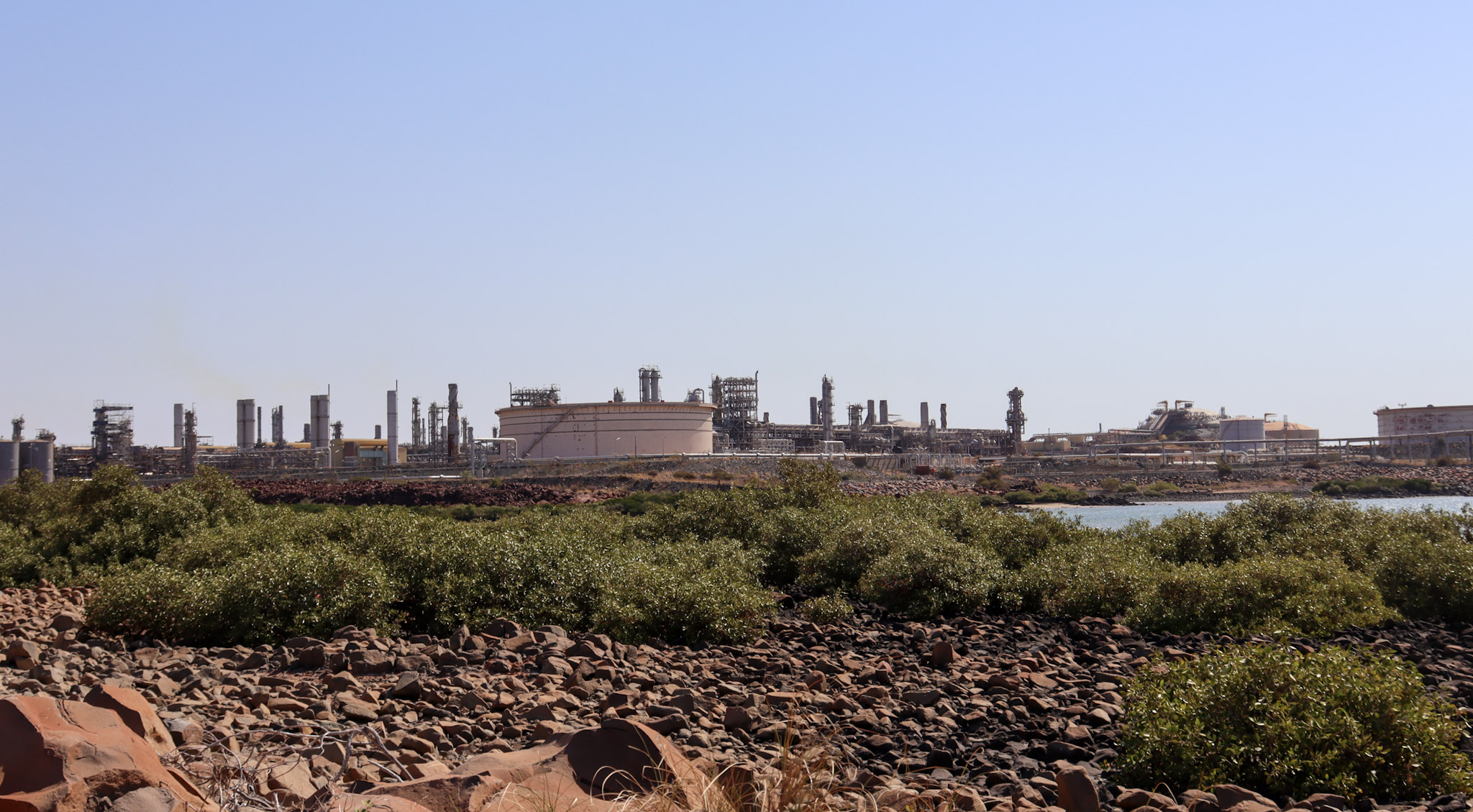
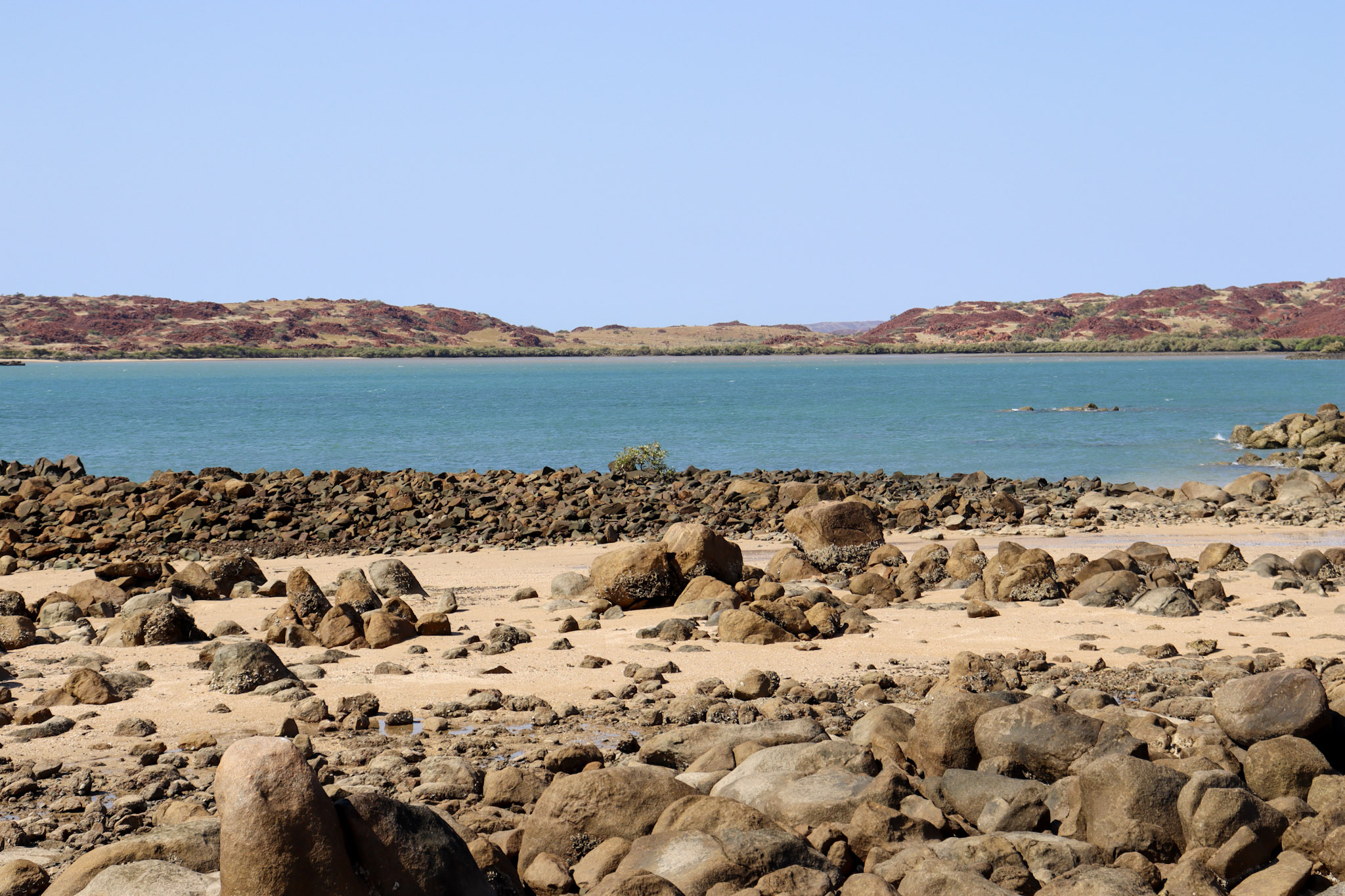
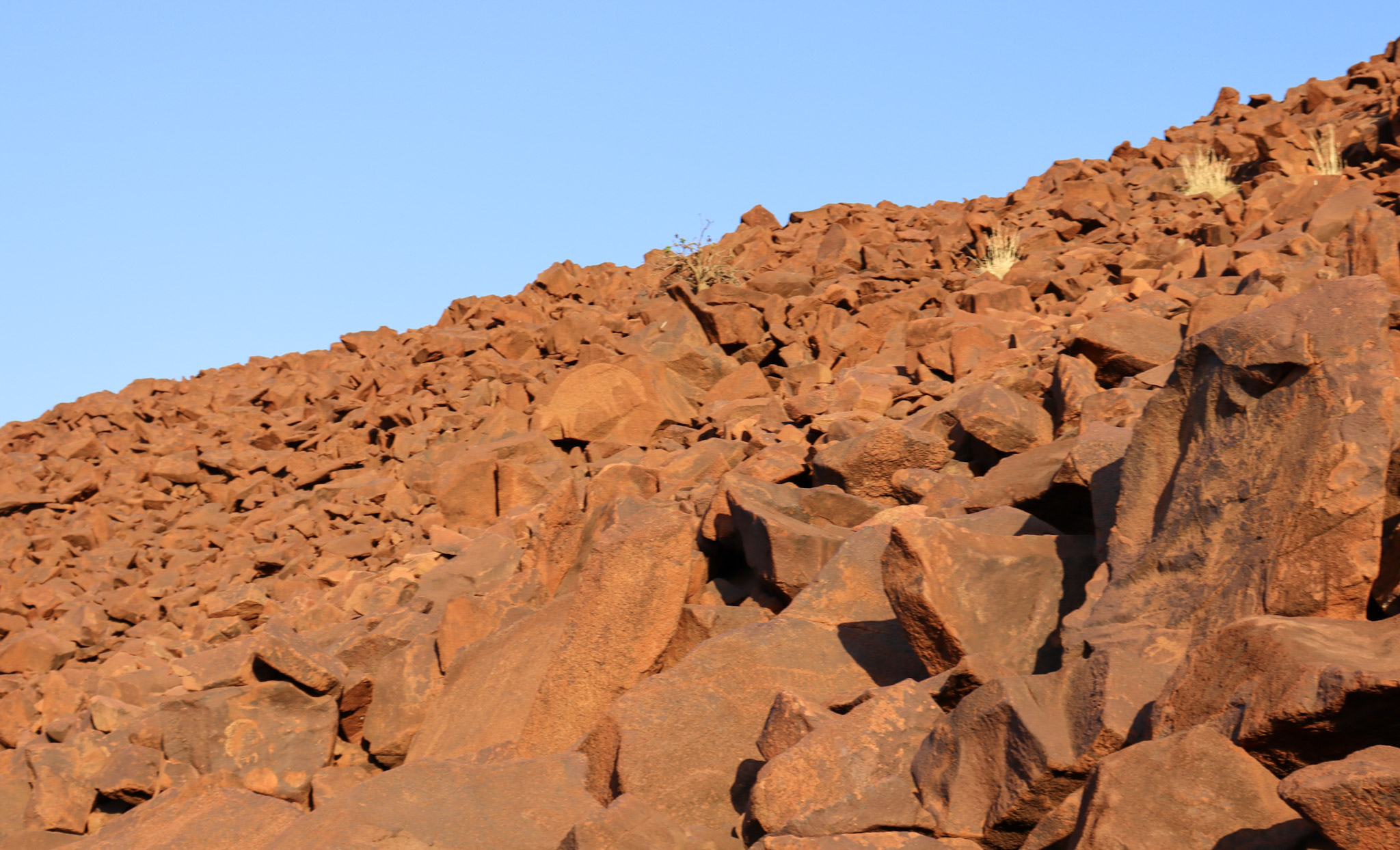
From one angle, the industrial development on the Burrup Peninsula in Western Australia's Pilbara seems to dwarf the ancient red rock.
Looked at from another angle, the vast coastline and rock formations make the Woodside plant seem small.
This shifting perspective reflects the competing ways the Burrup — on Murujuga Country — is seen by industry and Traditional Owners.
For the former, it's more development; for the latter, it's lost land.
Murujuga is the ancestral Country of five Traditional Owner groups — the Ngarluma, Yindjibarndi, Yaburara, Mardudhunera and Wong-Goo-Tt-Oo peoples — and is home to one of the world's largest and oldest collections of rock art, with some engravings estimated to date back 50,000 years, or more.
The Burrup Peninsula's rock art, now World Heritage-listed, has sharpened long-running debates over the future of the North West Shelf Project and ongoing gas processing on Murujuga.
Environmental activists, led by Save our Songlines founder Raelene Cooper, have opposed the extension of the North West Shelf Project, arguing continued operations threaten the rock art and surrounding environment.
However, last September, federal Environment Minister Murray Watt approved the project to operate until 2070.
Former Liberal WA premier Colin Barnett has since weighed into the debate.
He argues future processing of new gas fields such as Browse should be located away from Murujuga.
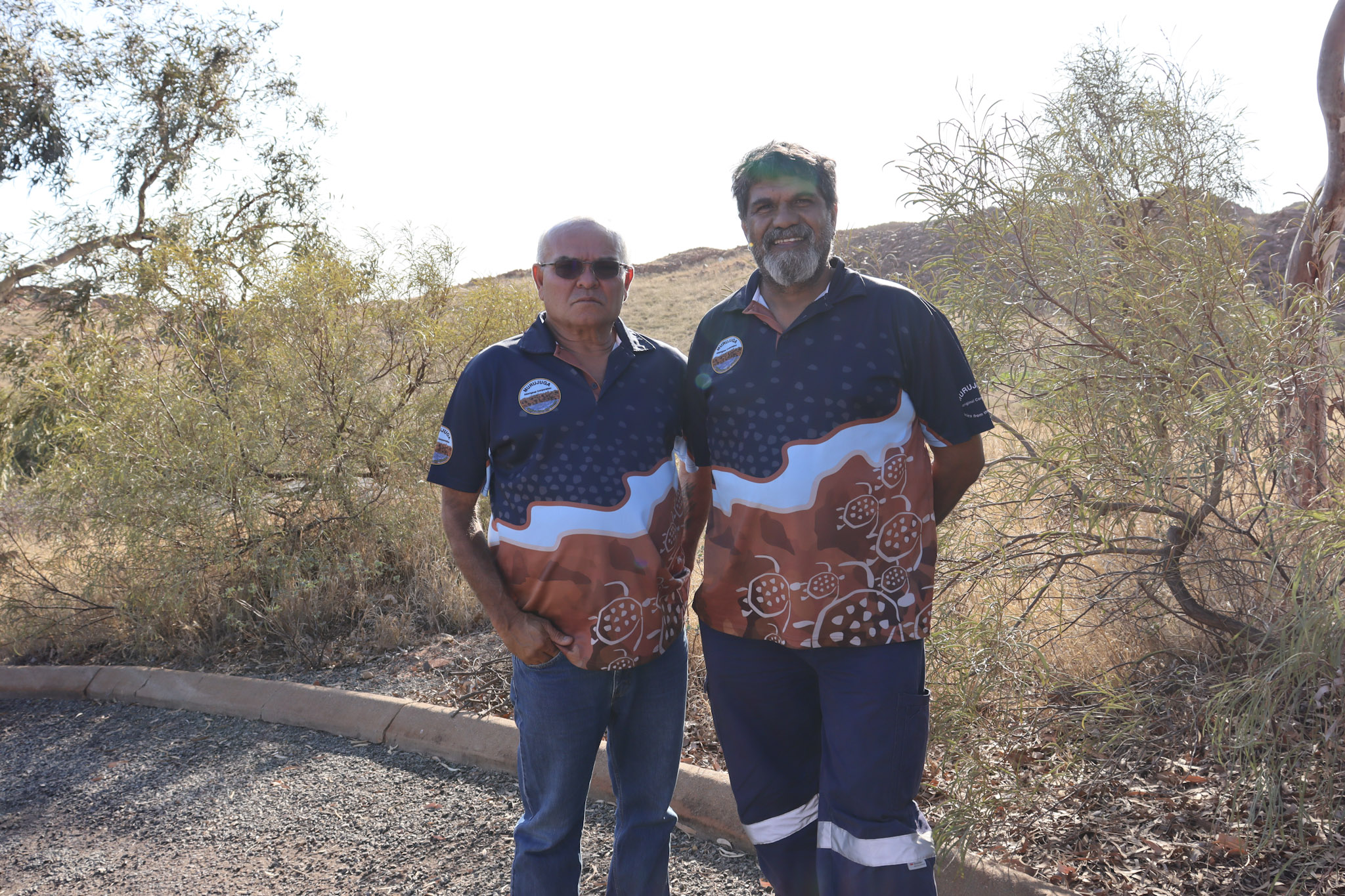
Mr Barnett's comments drew a sharp response from Murujuga Aboriginal Corporation (MAC) chairman Peter Hicks, who says they overlook the Burrup Peninsula's complex Native Title history and the role successive governments played in shaping it.
"It's hypocritical of him to criticise it now, when he was resources minister and a player in the BIMEA agreement," Mr Hicks told National Indigenous Times.
"These politicians — they did nothing to help the original people. For them to stand in positions they are now and make comments, I don't think that's fair."
The Burrup and Maitland Industrial Estates Agreement, known as BIMEA, was struck in 2003 between the then Geoff Gallop-led WA Labor Government and Traditional Owner groups with Native Title claims over Murujuga and surrounding land.
Under the agreement, Traditional Owners agreed to withdraw their Native Title claims over the industrial estate, permanently extinguishing their rights across large parts of the Burrup, to allow major industrial development to proceed.
In return, the groups received land, financial compensation and other commitments, with MAC established to manage the agreement and hold land on their behalf.
However, in Roebourne, about 40 kilometres inland, many families with extinguished Native Title rights under the BIMEA process, claim there has been little tangible benefit from the industrial wealth flowing off their Country.
BIMEA was negotiated under the Labor government and then premier Geoff Gallop.
While linked to Native Title, it was not a Native Title determination but a separate agreement designed to clear the way for industry.
Since 2003, the Burrup Peninsula has seen expanding gas and fertiliser development, led by Woodside's North West Shelf and Pluto LNG projects
Mr Barnett rejects claims his time as resources minister under the Richard Court-led Liberal Government (1993 to 2001) shaped the BIMEA agreement.
"I ceased being the minister in early 2001. The BIMEA agreement was negotiated in 2002-03. I was not in government — two years out of government — and I had nothing to do with it," he said.
Mr Barnett also defended his record on heritage protection, saying his concern for Murujuga's rock art predates the current debate over the North West Shelf.
"In the 1990s I took the decision to protect 62 per cent of the entire Burrup area and islands by placing them in the conservation estate — everything from Conzinc Bay northwards," Mr Barnett said.
"That was the first real measure to protect the rock art, and it was my doing."
While he was not involved in negotiating the BIMEA agreement and points to his role in protecting parts of Murujuga, Mr Barnett describes himself as pro-development and broadly supportive of Woodside's gas projects.
"I have always been supportive of Woodside in a general sense — not totally, but on what they're doing," he told National Indigenous Times.
But amid renewed debate over the North West Shelf's expansion, Mr Hicks says the deeper legacy of the BIMEA agreement for Aboriginal people in the Pilbara remains largely unacknowledged.
"The entire BIMEA agreement took our rights away to have any say about our Country," he said.
"That agreement would never get over the line today."
Mr Hicks says the process was rushed and imposed on Traditional Owners as Industrial development accelerated around Murujuga.
"We were forced into agreement, and we were told, 'This is what will happen. This is the way it's going to happen'," Mr Hicks said.
Frances Flanagan, a senior Lecturer in Law at the University of Technology in Sydney (UTS), who analysed the BIMEA agreement but was not involved in its negotiation, has written the "pressure to conclude a Native Title agreement quickly was intense".
"If all five proponents took leases, their proposed developments would involve seven billion dollars' worth of capital expenditure," she wrote.
Ms Flanagan argues the agreement was intended as a way for Traditional Owners to manage the impacts of industrial development, rather than stop it outright.
"Negotiating an agreement meant that they could attempt to minimise the negative impacts on the environment and their cultural heritage and maximise the positive social and economic aspects of industrial development for the community," she wrote.
Former Labor premier Geoff Gallop has defended the agreement as a product of its time, saying he was advised there was no duress in its signing.
"The agreement was freely signed, with the State providing financial support to allow traditional owners to engage lawyers of their choice," Mr Gallop told National Indigenous Times.
However, he conceded that if negotiated today, the agreement would likely take a different legal form.
"If negotiated today the agreement would probably not use compulsory acquisition as the agreed implementation mechanism, but would apply the non-extinguishment principle," he said.
In other words, Mr Gallop acknowledges extinguishing Native Title would likely not be acceptable today.
Mr Hicks' recollection of the period is starkly different.
He says his people, including his uncle, were pushed to sign under pressure and were not provided lawyers of their choice.
"Wilfred Hicks, my uncle, he was pushed to the 11th hour, and only then he signed on the agreement — under duress," Mr Hicks said.
"Everybody, all of these groups, were signed on under duress down there."
For two decades, the contrast between the wealth generated for the country through mining on the Burrup Peninsula and the poverty faced by descendants of those who lived there has haunted him.
"Everybody else from every other part of WA has enjoyed the money that's come out of the Burrup," Mr Hicks said.
"Nothing has been done for Roebourne."
Roebourne was proclaimed in 1866 on Ngarluma Country as a pastoral settlement pushed into the Pilbara.
Historians including Tom Gara and Peter Gifford documented how the early colonial period in the Roebourne district was marked by dispossession and violent reprisals, including punitive expeditions and massacres.
Despite this, Ngarluma and Yindjibarndi people maintained enduring ties to Country.
Mr Hicks criticised the lack of health services and government investment in the town, despite the mining wealth surrounding it.
"I would like to see in Roebourne facilities uplifted —diabetes wards and all that," he said.
"We've got our old people saying they have to drive to Perth to die."
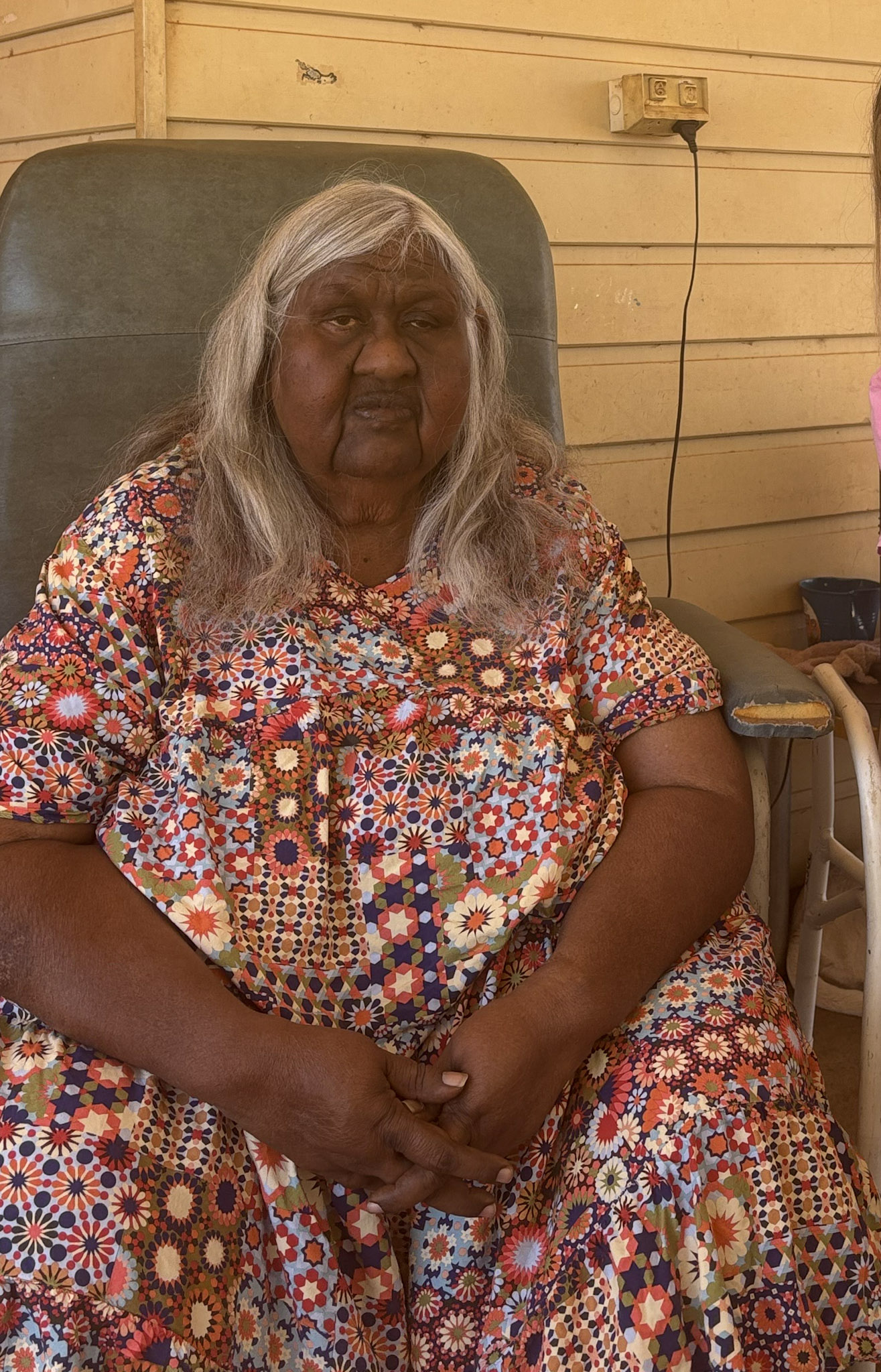
The sun heats up the tin roof covering Elder May Adams as she searches for shade on a sultry Roebourne day.
She remembers her "dear old father", once forced to carry government papers to be out in his own town after 6pm, reading the newspaper and learning about Native Title.
"He read it and said, 'This is going to wreck our families'," Ms Adams said.
Kylie Mowarin, a Roebourne local, said the Native Title process and the BIMEA agreement caused lasting psychological harm and cultural disruption which continue today.
"Native Title and BIMEA split everybody up," she said.
"The government came out with really degrading things like, 'pick one parent'. How are we as Aboriginal people supposed to pick one parent?"
She was referring to the 1990s and early 2000s, when Native Title claims in the Pilbara — including those that later fed into agreements such as BIMEA — often required people to identify with one side of their ancestry, sidelining cultural ties to both parents.
MAC director, Vincent Adams, said he has seen people become isolated for decades because of Native Title processes and the BIMEA agreement
"It's not drugs or alcohol," he said.
"You put anyone under 20 or 30 years of duress and pressure — how do you think they're going to feel?"
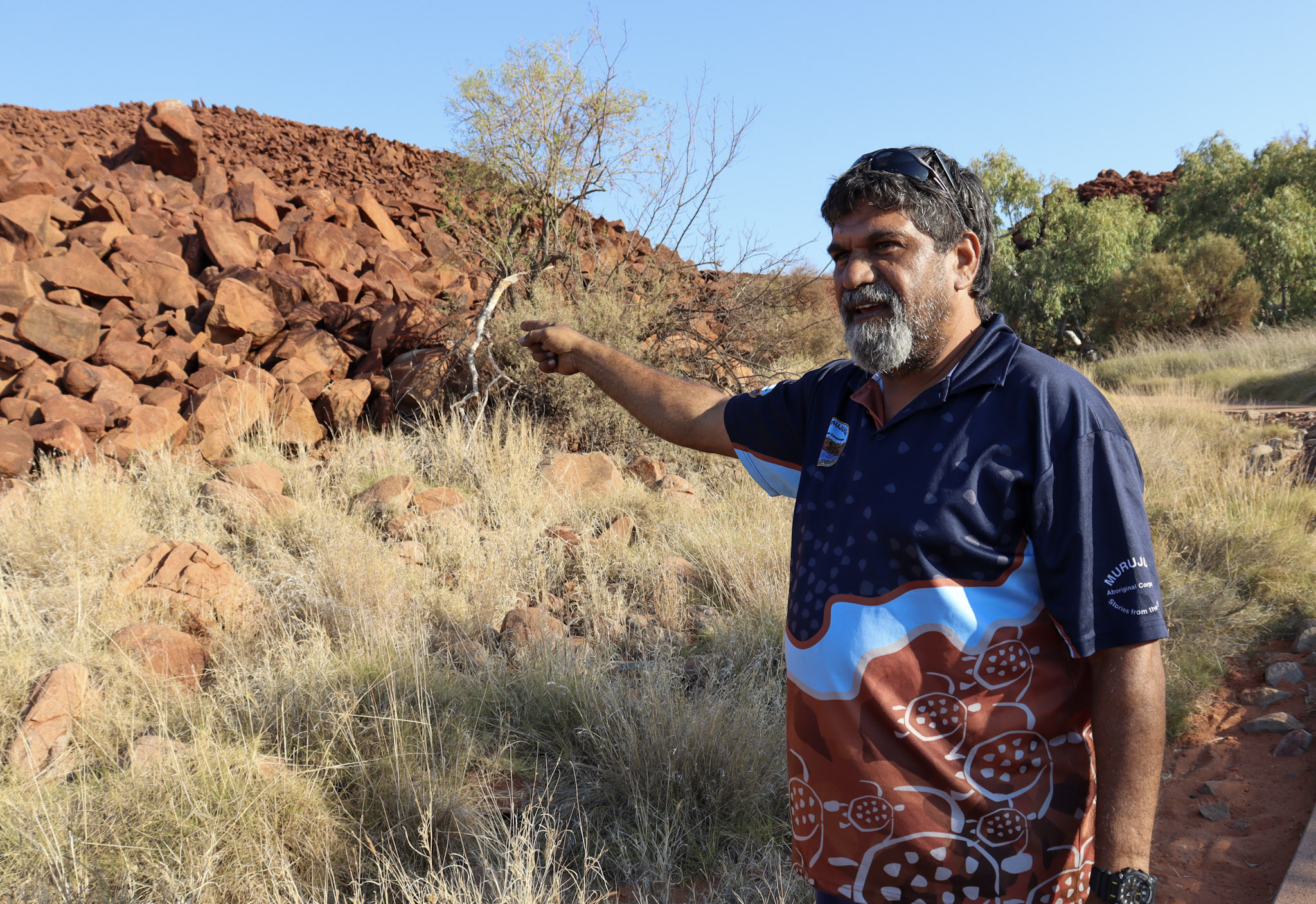
His sister, Michelle Adams, said the gap between living standards in Aboriginal towns such as Roebourne and profits generated on the Burrup Peninsula are often ignored.
"There is no economic justice," she says.
Ms Mowarin gestures towards her Elder, Ms Adams.
"This old girly should have a house bought," she said.
"She shouldn't be paying rent, electricity, power. Those resources are natural resources in our bloodline, in our storylines and songlines. Why do we have to pay rent on our own Country?"
Under the BIMEA agreement, Native Title parties received about $5.8 million in upfront payments, alongside ongoing annual payments of around $700 per hectare for industrial land.
Those ongoing payments are made to the Native Title parties' Approved Body Corporate, which manages the funds on behalf of the claimant group.
But according to residents, the impact of this money is not being felt locally.
"We're still waiting on answers from a 30-year housing project," Michelle Adams said.
Since the early 2000s, gas projects on and around the Burrup Peninsula have generated tens of billions of dollars in export revenue, with the North West Shelf Project alone linked to long-term contracts worth more than $25 billion and more than $40 billion in federal taxes and royalties over its lifetime.
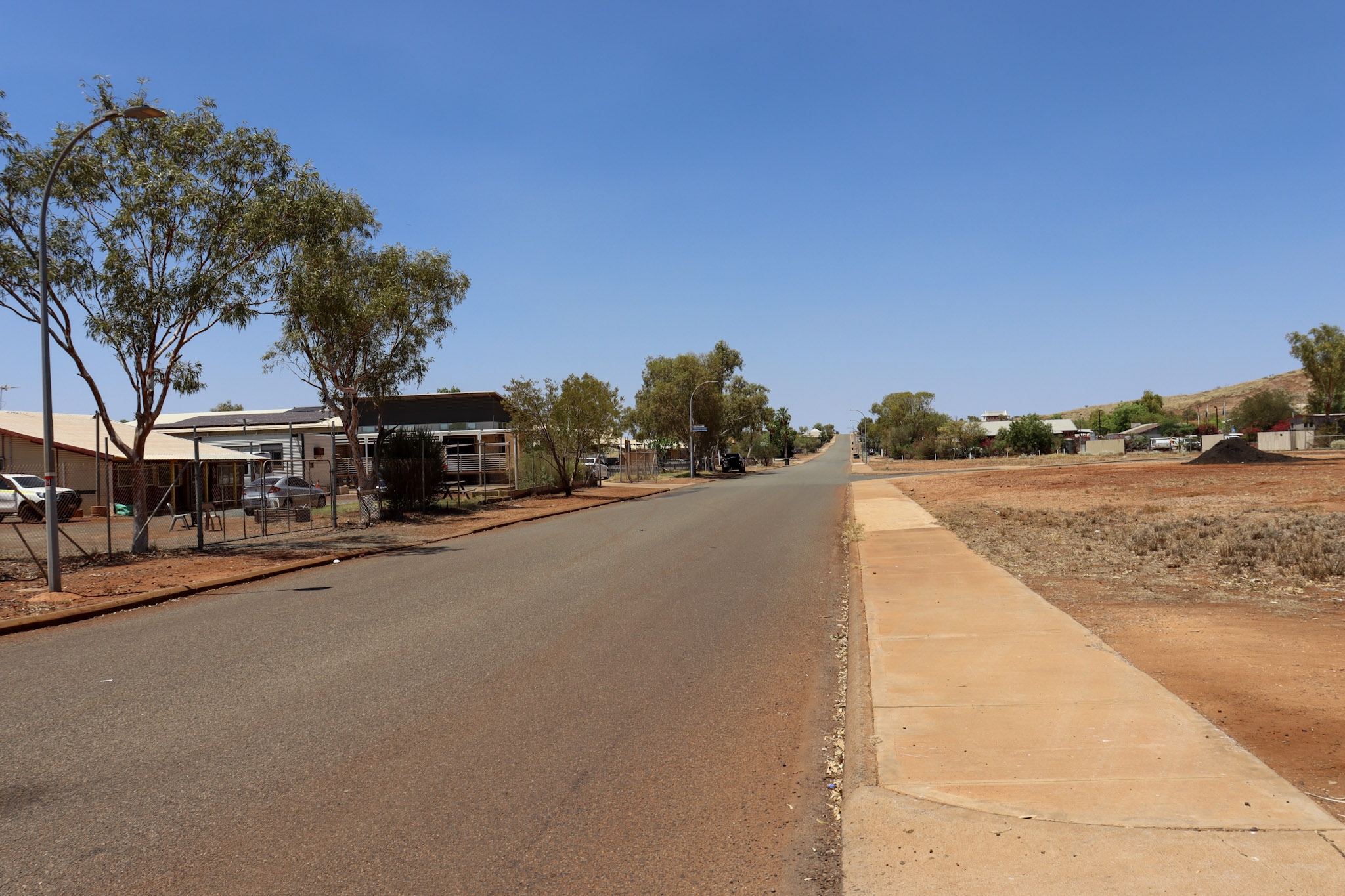
As Ms Adams scans the main road in Roebourne, she takes a breath.
"It's a sad place, Roebourne," she said.



