


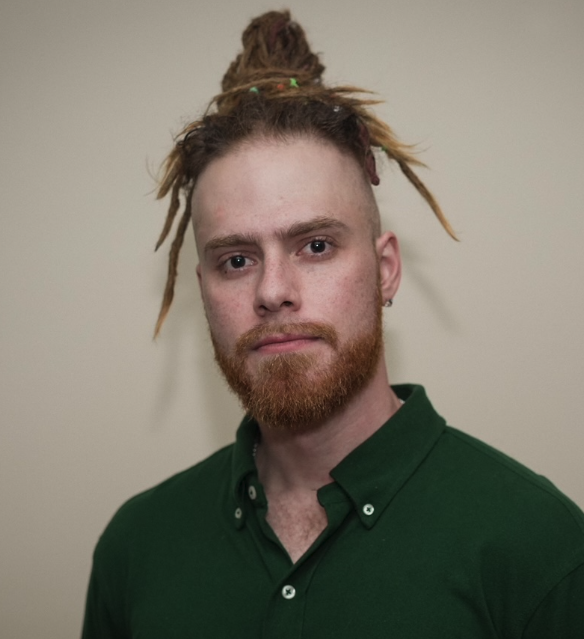

Bigambul artist Dr Leah King-Smith has launched an immersive exhibition at the QUT Art Museum, created in collaboration with prominent Indigenous artists, musicians, and writers.
Dr King-Smith, who is a lecturer and academic Lead (Indigenous) in Learning and Teaching at the QUT School of Creative Arts, has unveiled rhythm wRites, an installation that explores concepts of simultaneity, interconnectivity, rhythm, ethereality, spatiality, and sound.
"I'm interested in the fluidity of nature and the way we can experience something that has gravitas and enormous cultural weight," Dr King-Smith told the Art Guide.
"I am questioning where does that experience come from? Is it coming from ancestral knowledge, familial knowledge or textbook knowledge?"
QUT Art Museum curator, Katherine Dionysius said the exhibition is grounded in a decolonising approach.
"'rhythm wRites' features new work produced by a team including Robert Andrew (Yawuru), Nici Cumpston (Barkindji), Keely Eggmolesse (Gubbi Gubbi and Gooreng Gooreng), and Ellen van Neerven (Mununjali Yugambeh)," Ms Dionysius said.
"Audio-visual installations drawing on First Nations experiences, histories, and intergenerational connectivity weave through the galleries alongside select works from Dr King-Smith's recent practice."
Internationally acclaimed playwright and QUT Indigenous Chair in the Creative Industries, Professor Wesley Enoch, provided advisory support for the project, which was supported by Arts Queensland.
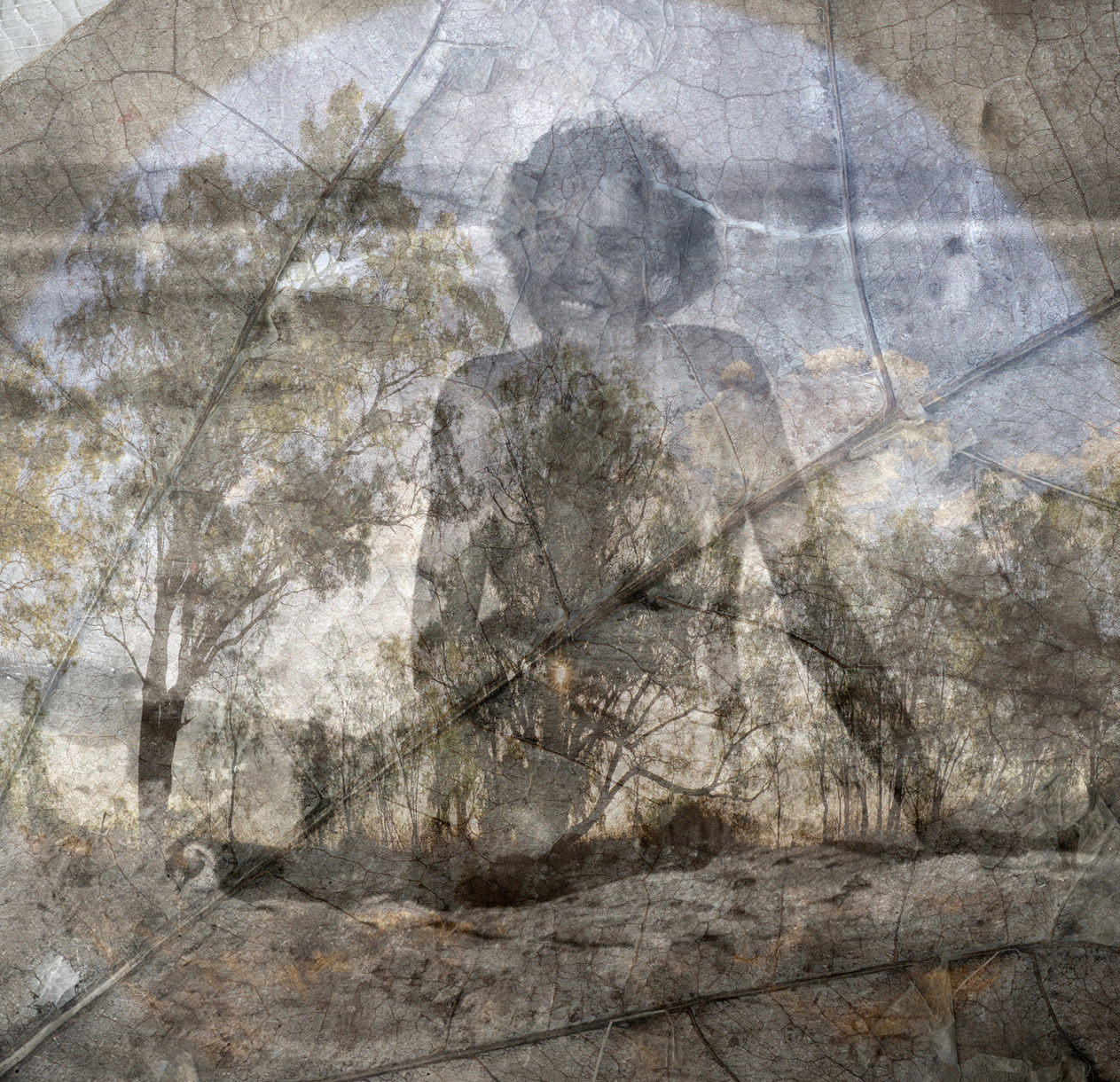
Known for her unique photographic layering technique, Dr King-Smith's work aims to evoke dreamlike states that prompt deep reflection.
Born in Gympie, she has used her art to delve into themes of cultural discord and identity.
Her work has been displayed globally, including at the Venice Biennale and the National Gallery of Australia.
The rhythm wRites exhibition runs from 29 October 2024 to 9 March 2025.
The QUT Art Museum has also opened Material Being, a display featuring works from the QUT Art Collection.
QUT Galleries and Museums Director, Vanessa Van Ooyen said the exhibition invites viewers to reflect on the bond between materiality and existence.
"Material Being explores how materials, textures, and tangible matter shape our perceptions of ourselves and the world," Ms Van Ooyen said.
"In these works, physical form is integral to artistic expression, carrying ideas that span philosophical, political, social, environmental, emotional, and aesthetic dimensions.
"In an increasingly digital world, marked by fractured human relationships and the environmental consequences of material exploitation, recognising the essential role of materiality in our lives is more urgent than ever."
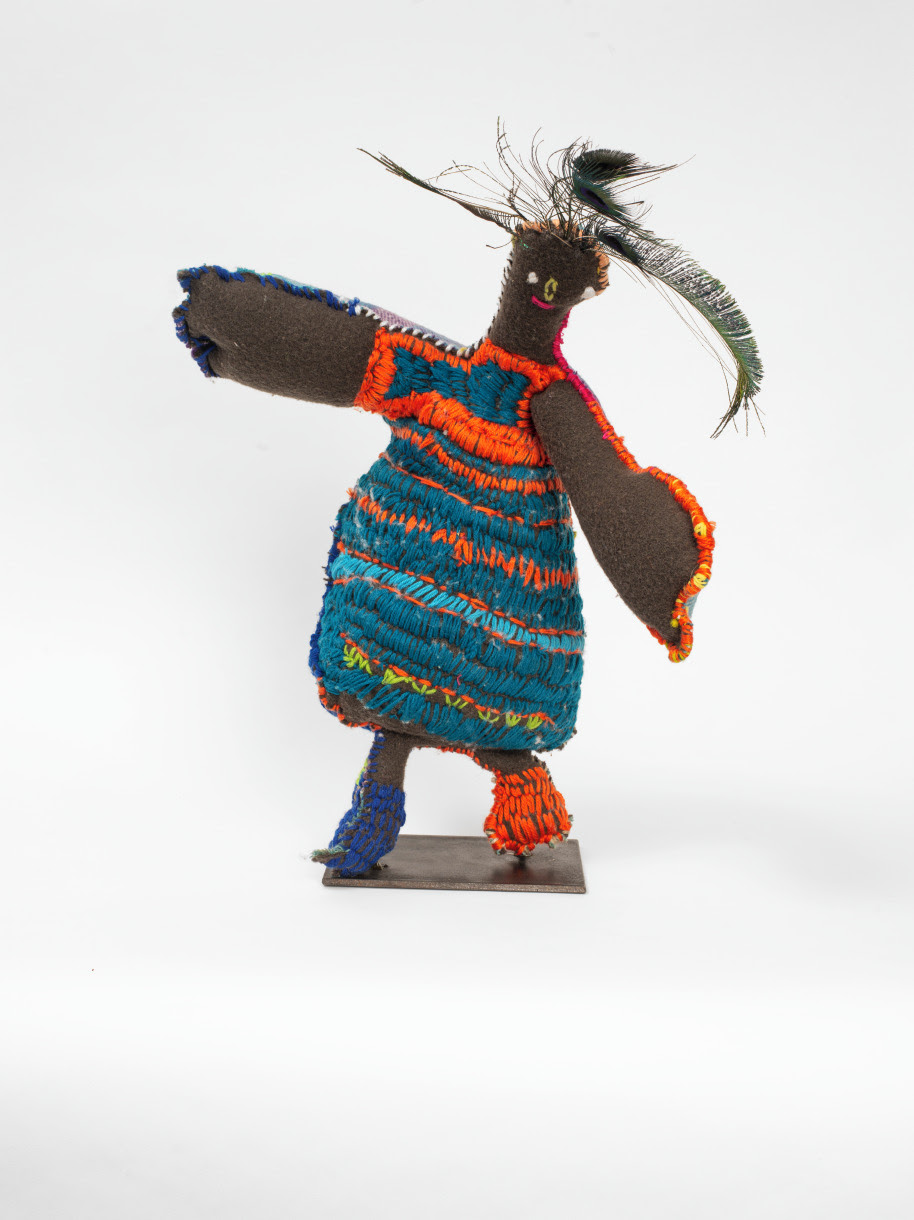
The museum also features a Collection Lab within its gallery space, an activity area showcasing rotating works on metal storage racks.
"This experimental space adapts to the evolving needs of QUT's teaching and learning initiatives, as well as those of the broader community," Ms Van Ooyen said.
"The metal grids mirror how artworks are stored behind the scenes, providing a flexible and adaptable display framework that allows artworks to come and go, responding to different contexts and requirements.
"The Collection Lab represents object-based learning at its best, emphasising the importance of art, creativity, and critical thinking in education."
More details on rhythm wRites, Material Being, and the Collection Lab are available on the QUT Art Museum website.



