



Aboriginal-led solutions, decision-making and reform are critically needed as "another Stolen Generation" is "unfolding in real time, in front of our eyes", child protection sector leaders warn.
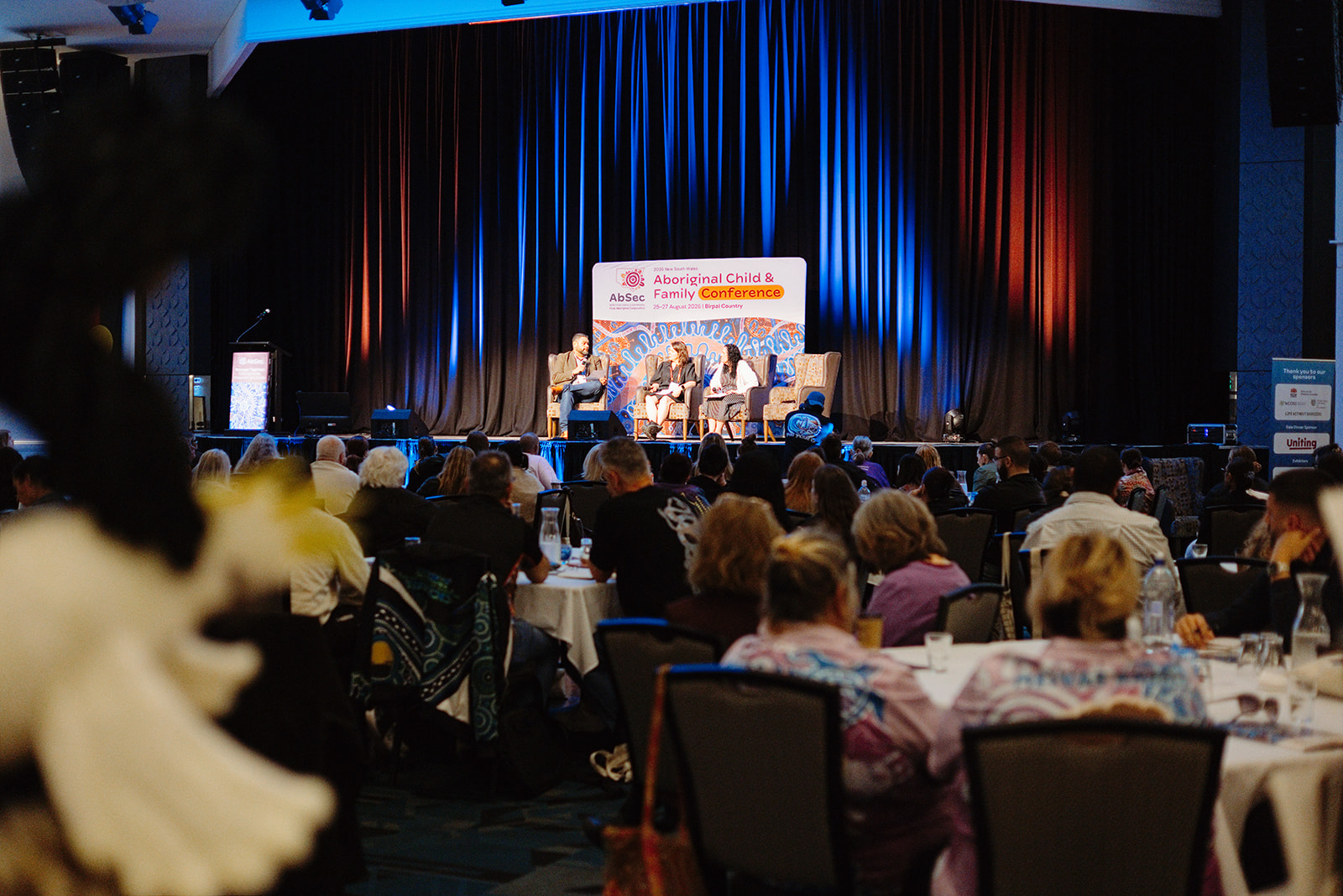
More than 400 people attended NSW peak AbSec's 2026 Child & Family Conference in Port Macquarie, or Birpai Country, last week.
They represented Aboriginal Community-Controlled Organisations (ACCOs), frontline workers, carer and those in policy and research spaces, with over 60 speakers contributing to the conference.
A NSW re-designed child protection data dashboard providing real-time funding, service gaps and outcomes data, designed with the state's Department of Communities and Justice, was unveiled during the three-day conference.
Aboriginal-led service models, like Wiradjuri Condobolin Corporation's in Condobolin, and a second pilot in Grafton were also highlighted.
It came among discussions centred-on and delivered by representatives delivering Indigenous-led initiatives for their community, on policy, governance, findings and lessons learned.
The need for accountability, transparency and a culturally-responsive system were pointed to at the conference.
Nationally, at June 30 2025, First Nations children (aged 0-17) were 11.5 times as likely to be placed in out-of-home care (OOHC) as non-Indigenous children, according to latest Closing the Gap data. The disproportionate rates have hovered around this figure for years.
Victoria had the highest disproportional rates, with First Nations kids coming into contact with OOHC at 21.8 times the rate of non-Indigenous children.
In NSW, they were comparatively overrepresented by 10.3 times.
Data in previous years have had the disparity slightly higher in the state, with First Nations children representing close to half of all children in the state coming in OOHC.
In 2022-23, just two per cent of First Nations children in OOHC or on third-party parental responsibility orders (TPPRO) were reunited with family or original carers, compared to a national average or 7.3 per cent, according to SNAICC's 2025 Family Matters report.
Community-led reform was another means highlighted at the conference.
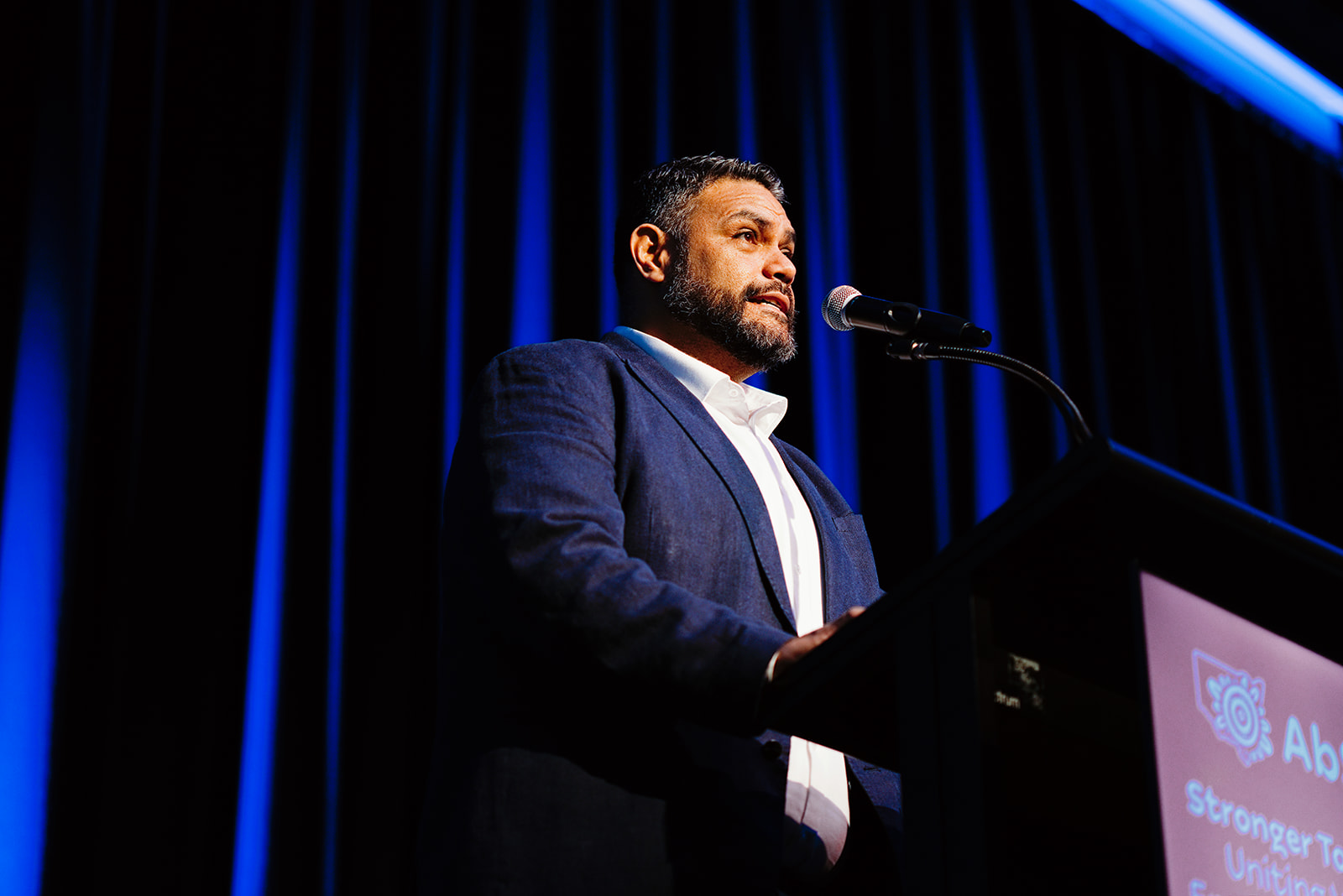
"Our communities know what keeps our children safe. We have strong Aboriginal organisations, growing evidence and solutions already working on the ground. The challenge now is whether governments are prepared to back those solutions with the authority, resources and accountability needed to make them work at scale," AbSec chief executive John Leha said.
Speaking at the conference Mr Leha pointed to the disproportionate OOHC rates in NSW, and reunification trailing well behind.
"These are our babies. Our kids. Our nieces and nephews, our future leaders and Elders. What they represent is another Stolen Generation, unfolding in real time, in front of our eyes," he said.
Calls have been made for a Child Safety & Wellbeing Commission in NSW.
"Reform needs independent accountability. Government cannot expand its role in delivering and overseeing the system without strong, trusted scrutiny outside government," Mr Leha said.
"The 2026 Conference brought the evidence, the Aboriginal-led solutions, and the case for system accountability together in one place.
"NSW now has the opportunity to make real structural change — not simply another adjustment to an existing system that is failing our kids."
A commission would be a body given responsibility for monitoring, standard-setting and complaints handling, AbSec said.
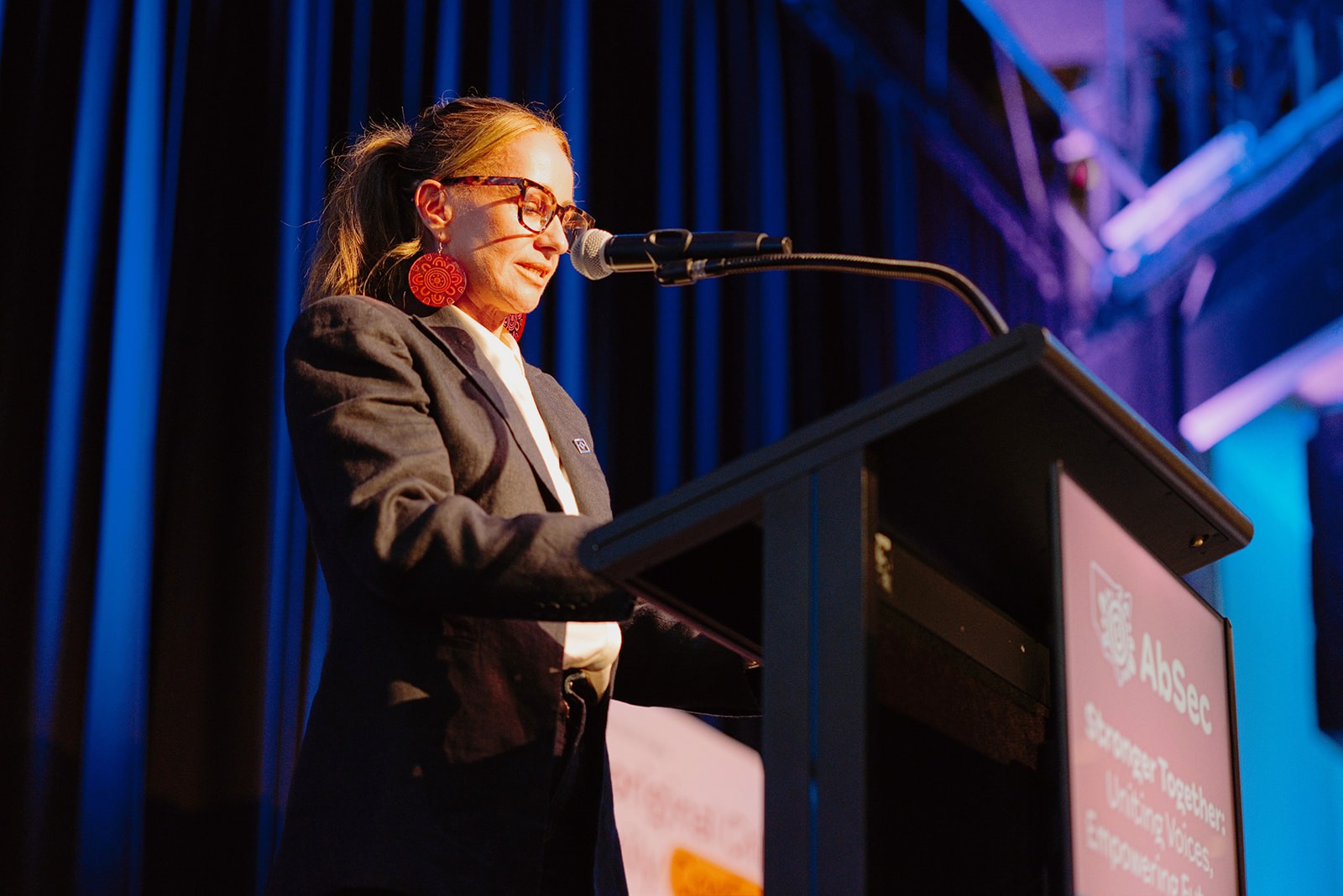
A keynote address was delivered by National Commissioner for Aboriginal and Torres Strait Islander Children and Young People Sue-Anne Hunter.
She told the conference "the government holds a responsibility to apply the principle properly to the standard", speaking of the Aboriginal and Torres Strait Islander Child Placement Principle.
The Principle has been central to discussions around controversial child protection legislation passed by the Northern Territory, which removed its legal enforceability.
On NSW, Commissioner Hunter said "legislation alone has not delivered the transformation our children and families need. The system remains fragmented, with gaps in accountability and coordination across government and non-government services."
Restoration, with discussion led by leading researcher Associate Professor BJ Newton was central to day three.
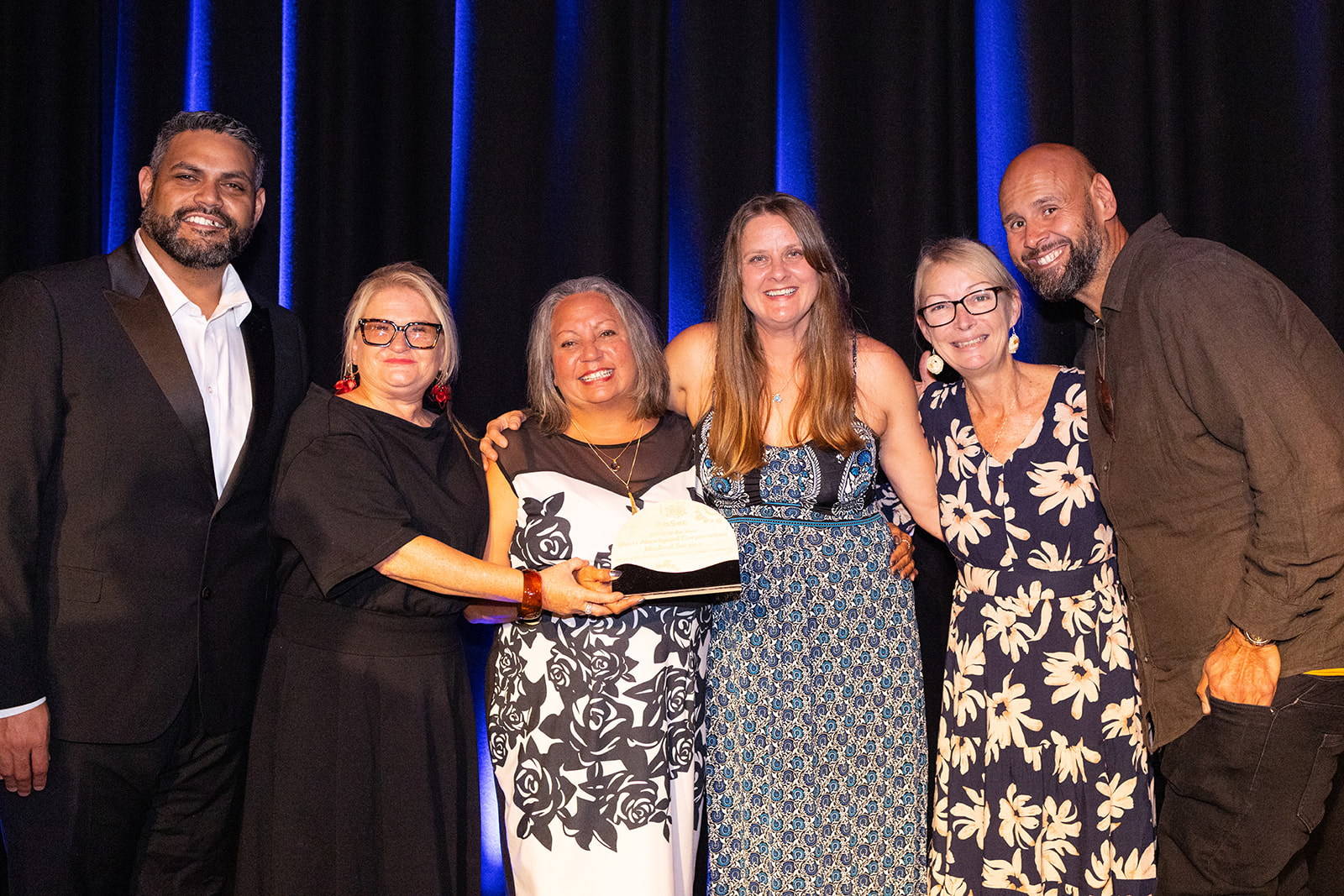
Gala Dinner and Awards Night also celebrated those making a positive difference; with youth and community services workers, medical services, early childhood practitioners, students, educators, and volunteers recognised.



