


On Tuesday 1 August an influential partnership was formed between the Australian Indigenous Doctors Association (AIDA) and the Australian Medical Association (AMA).
The two organisations signed a memorandum of understanding, designed to fortify their existing relationship and strengthen a united approach toward improving circumstances for Indigenous Australia.
At the signing of the memorandum, both AIDA President Dr Simone Raye and AMA President Professor Steve Robson were equally excited by the union.
Positive energy filled the room as staff gathered to see the signing, as twelve months of negotiations finally came to fruition.
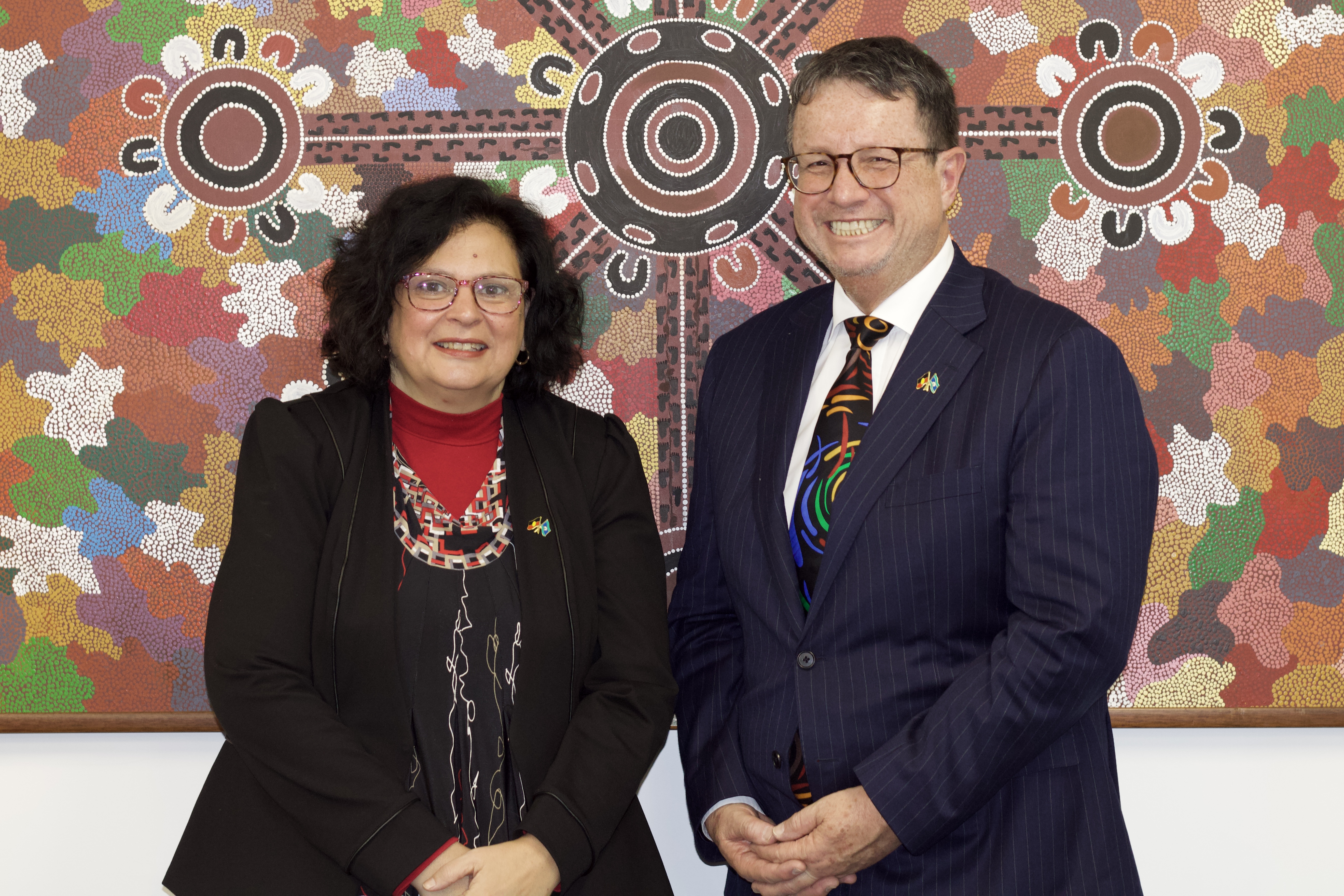
Professor Robson commenced the proceedings by acknowledging both Ngunnawal and Ngambri Elders past and present.
"We are signing a memorandum of understanding today that symbolises the fact that we want to work closely, we want to work on the gap, on the outcomes, the health outcomes for First Nations Australian people" he said.
Professor Robson said through the partnership they will work together to address racism and discrimination in the medical sector to ensure that care provided in Australia is culturally safe and nourishing.
"We want this to be the case around the country, it is a big job we recognise that but every big journey starts with a single step and we think it's a very important step today" he said.
Professor Robson commended the work that AIDA undertake, stating that the organisation is extraordinary.
"We want to nourish and acknowledge the incredible job that AIDA continue to do and has done for a long time to make sure that great First Nations Australian doctors are working in our communities."
"Anything we can do to support that, we want to do. It is of the highest priority for our organisation."
Dr Ray shared Professor Robson's enthusiasm for the inaugural MOU.
A key area they hope to address through the MOU is a boost in workforce participation.
"Aboriginal and Torres strait Islanders make 3% of our population but only make .3 % of the workforce," Dr Ray said.
She further stated the organisations' plan on improving culture within the health system, not only for patients but for medical students and new trainees going into the system.
"We are hoping that by having this MOU we can develop an ongoing partnership and lead to change in the health system especially around cultural safety and cultural safety in the health area," Dr Ray said.
"We are delighted to be working in partnership with the AMA as we focus on improving the culture of medicine, for our workforce and our patients."
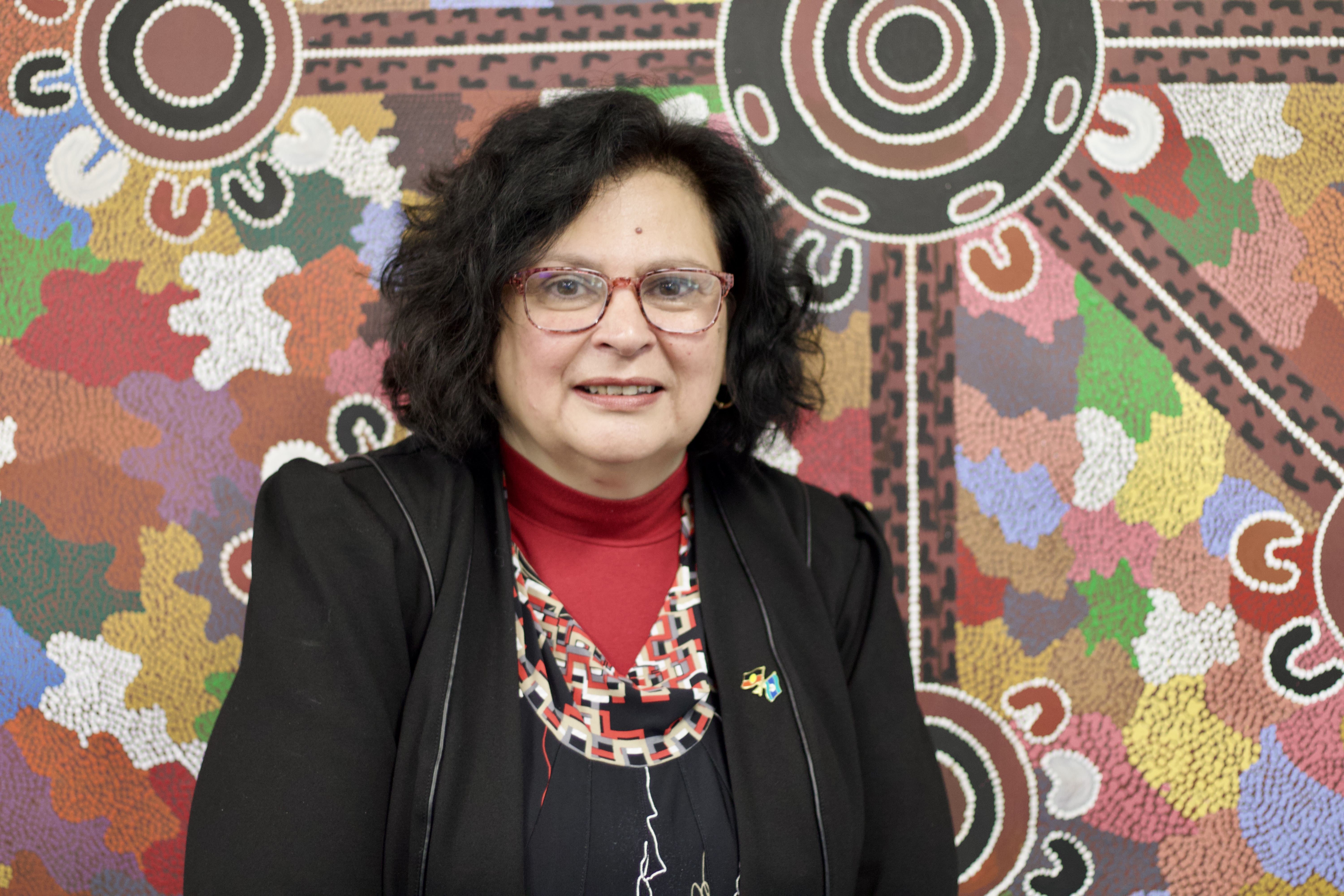
"Clinical safety is cultural safety, and it is essential we continue to improve outcomes for our people. By uniting in purpose, we can continue to unlock endless possibilities through our work towards a shared vision of a culturally safe healthcare system so that we can improve those numbers and reach parity."
Professor Robson said the AMA want to ensure that anyone who wants to follow this pathway, will have the AMA's support.
"Some of the most inspiring doctors I know are First Nations Doctors, Aboriginal and Torres Strait Islander doctors in Australia," Professor Robson said.
Dr Ray is passionate about First Nations Health and is a General Practitioner, who comes from a long line of women in medical fields.
A proud Bardi Jabbir Jabbir woman, her family are from the Dampier Peninsula in the Kimberly, her grandmother was a bush midwife born in a community outside of Broome called Beagle Bay and her mother was a nurses aid in the Mater Hospital also in Broome.
Dr Ray knew when she wanted to study medicine, saying she was studying a double degree in chemistry and biology when she saw Louis Peachy and Sandra Eades on a popular television show.
"They were in fourth year medicine and I thought 'If they can do it, I can do it to'."
Dr Ray highlighted the importance of raising the profile of our Indigenous doctors and medical students.
"We need to be able to showcase and role model, and show our younger ones that this is possible," she said.
She said some of the AIDA fellow's children are also now studying medicine.
"I've been with AIDA since the beginning and it's really nice to see that we not have a second generation of doctors coming through," she said.
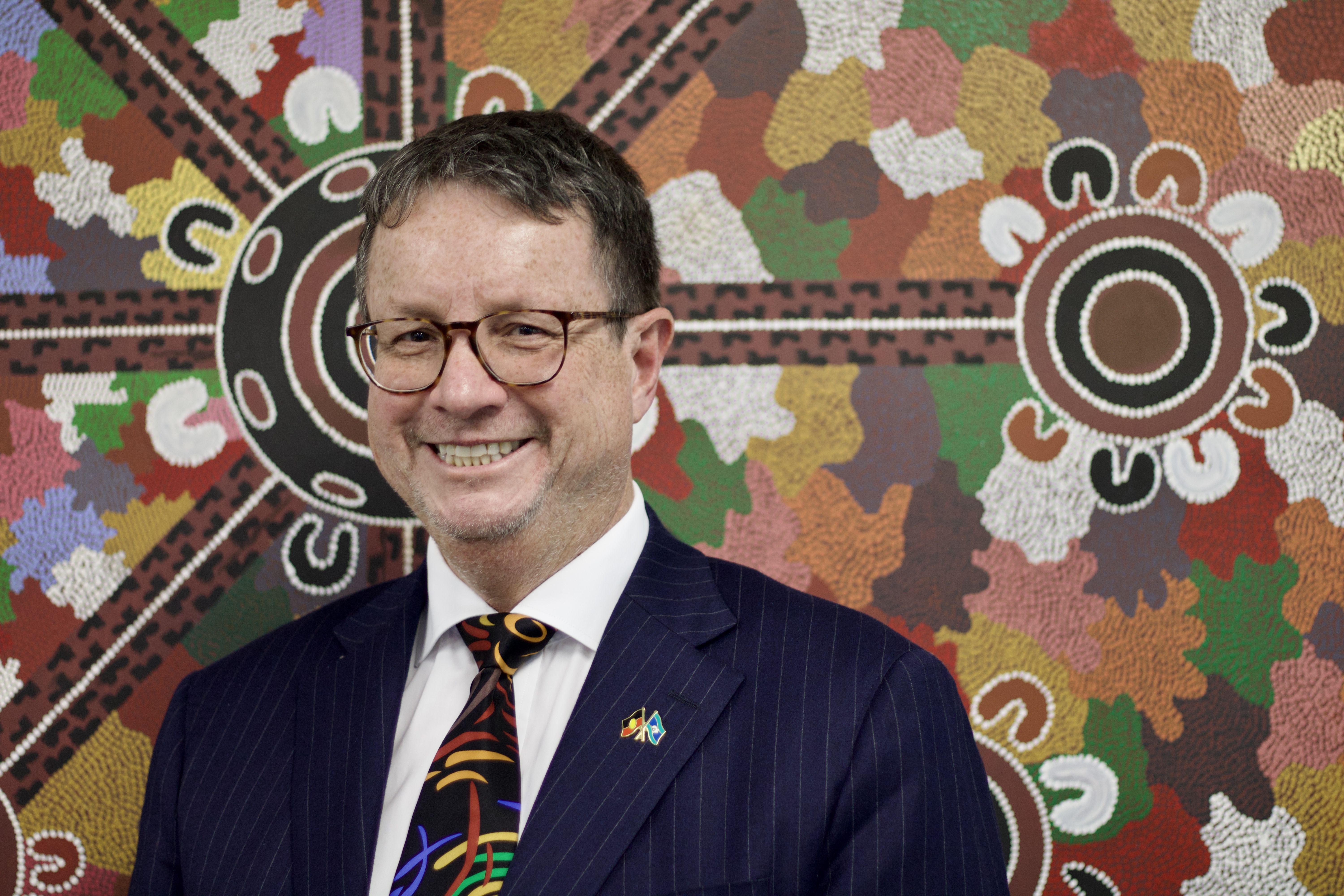
Professor Robson who is an obstetrician gynaecologist by trade, said he has ancestral ties to Torres Strait Islander community and is committed to improving outcomes for First Nations people.
"There's just no doubt that being able to do anything that you can to help Aboriginal and Torres Strait Islander people become doctors and become leaders, this is how we make things better we can learn from people like Dr Ray," he said.
"The AMA wants to work with AIDA to strengthen those pathways, so that anyone that wants to do it, should have a chance to give it a go and I think the other thing is that as someone that has worked in public hospitals for 30 years, we know there is racism in public hospitals and that a lot of the care providers are not safe.
"We just need senior people who are visible to say "we got to fix this, this is not right. It is important to me so it should be important to you.
"I think the opportunity is to be visible and try and help fix all of these systemic things at the moment is really important. It's really exciting to be able to learn from AIDA.
"I see it as an opportunity to learn and inform the things we do."
Dr Ray further elaborated on a primary areas of concern.
"Over 50% of our Aboriginal and Torres Strait Islander Trainees experience bullying harassment and racism, so we are trying to change what is happening within the system. There's been a lot of frameworks and recommendations made but I think it's now a bit of a call to action," she said.
"So we are hoping that with the signing of the MOU it is now a call to action and it's now a matter of getting things going, than making more recommendations. We need to make change.
"With the university sector, we have seen there has been an increase in the number of Aboriginal and Torres Strait Islander medical students entering university and that has actually reached parity. But we are not sure what's happening along the way, because they aren't being retained, so when they get out at the other end the numbers drop off.
"So we are actually in discussions with the Medical Deans of Australia and New Zealand and they have a conference coming up in September, so we are going to be working with them to try and set up a program to help support our medical students within the various universities across the country."
Professor Robson agreed that students starting but not going out into the workforce was concerning.
"One of the key things is being a united voice on these things, it's not just AIDA saying these things it's AIDA and the AMA all on the same page," he said.
"We can try and breathe life into a lot of these frameworks and recommendations that keep coming out but don't seem to deliver much in form of tangible change.
"We are hoping that we can just again model what culturally safe care looks like, and to emphasise that it actually saves lives.
"The way to get things done is to partner up and for us to learn from AIDA what we can and use their expertise to inform how we do things and what we recommend, and we are really excited about it."



