




Victoria is removing more First Nations children from their families than any other state in the country, and at almost twice the national rate, according to new data from the Productivity Commission.
Nationally, the out-of-home care (OOHC) rate for Aboriginal and Torres Strait Islander children is 57.2 per 1,000. However, Indigenous children and young people in Victoria were removed and placed into care at a rate of 102.9 per 1,000 Aboriginal and Torres Strait Islander children — 22.5 times the rate of non-Indigenous children and almost twice that of the national average for Indigenous children.
Out of the 25,916 First Nations children in Victoria, at least 2,668 have been removed form their families.
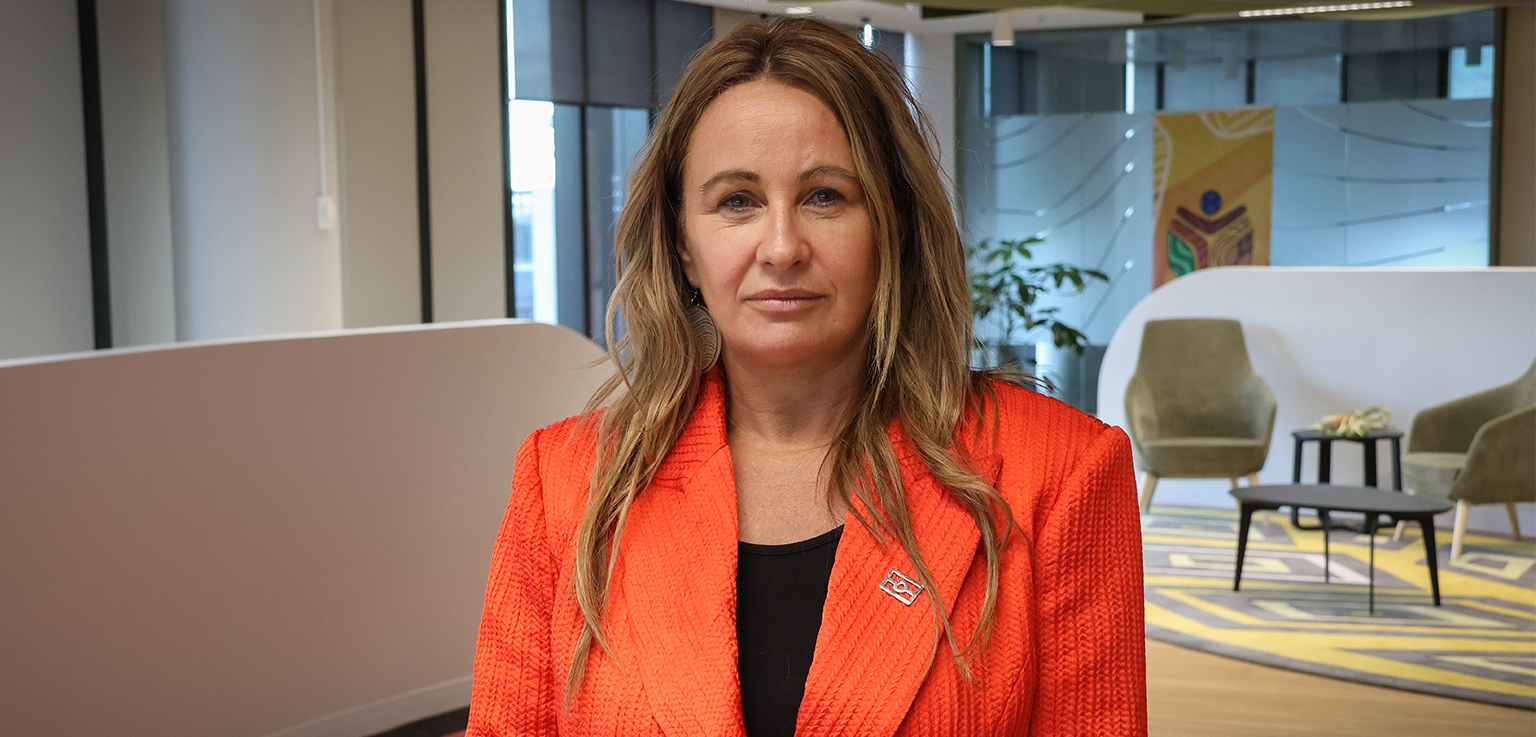
"We have to remember that every number is a person with a family; a child whose life has been decimated by the colonial system," Yoorrook Justice Commission Deputy Chair, Commissioner Sue-Anne Hunter, said.
The latest data comes in the wake of a series of appearances by experts at the Yoorrook truth-telling hearings identifying the numerous issues that have led to the alarming discrepancy in OOHC rates for Indigenous children.
Commissioner Hunter, told National Indigenous Times: "Victoria's child protection system isn't broken; it's working exactly as it was intended to based on the state's colonial foundations, which decimated Aboriginal family structures and communities."
"To see Victoria's already deplorable rates of Aboriginal child removal get even worse is extremely disappointing. These figures reinforce the fact that Victoria's child protection system is in urgent need of change," she said.
It has been observed that the state is now removing children from their families at a greater rate than during the stolen generation.
Many mothers lose their children at birth, with hundreds of unborn notifications - a mark against a mothers name by a government official or police officer, often for minor or unproven reasons - made against Aboriginal mothers in Victoria each year.
Commissioner Hunter previously noted the unborn notifications result in one in five children being removed before they are three months old.
Stories of women who are the victims of domestic violence being wrongly identified as the perpetrators and then having their children removed are prevalent, as are societal factors - such as poverty - being looked on by child protection workers as neglect.
At the recent Yoorrook hearings, the Victorian Aboriginal legal Service's (VALS) managing lawyer, Emily Yates, said the organisation saw a significant number of women incorrectly accused of family violence, which often resulted in child protection intervening.
In a horrific catch-22, VALS' chief executive Nerita Waight said a lack of refuges meant women often don't report family violence out of a fear of losing their children.
"[it] teaches... you shouldn't report family violence because you risk losing your children to a system that will harm them," she said at the time.
These stories were repeated by Antoinette Braybrook from the Aboriginal family violence and legal service Djirra at her appearance before the truth-telling commission.
She said the organisation had supported women who have reported violence to police, only to be issued a warrant for their arrest over poverty-related issues such as unpaid fines.
For the child, the trauma is equally as damaging.
Three-quarters of all Indigenous young people aged 10 to 13 in the youth justice system have previously been in contact with child protection.
Others do not make it out of care at all.
In June, Coroner Simon McGregor said the child protection system in Victoria was suffering from systemic racism, after a 17-year-old Wemba Wemba child, known as XY, took her own life after multiple requests to connect with her Indigenous culture were ignored by those responsible for caring for her.
Mr McGregor said XY had been removed from her family and separated from her eight siblings at age 13; her requests to stay in contact with her culture repeatedly ignored in what he described as a breach of XY's human rights.
In response to questions from National Indigenous Times about the latest Victorian data, a spokesperson for the Department of Families, Fairness and Housing (DFFH) said: "We are listening to Aboriginal communities and stakeholders and know that more needs to be done to address the over-representation of Aboriginal children in out of home care."
"That's why we've delivered landmark legislation and changes, backed in by our largest ever single investment of $140 million over four years, to put Aboriginal community and services at the front and centre of decision-making," the spokesperson said.
The DFFH said Victoria has the highest rate of Indigenous children being placed in kinship care, noting "80 per cent of children placed with Aboriginal relatives, non-Aboriginal relatives, or with an Aboriginal carer - compared to the national average of 63.4 per cent."
Yoorrook Commissioner Hunter responds to the Minister for Child Protection and Family Services from Yoorrook Justice Commission on Vimeo.
During his appearance before Yoorrook, DFFH director Adam Reilly noted this, arguing: "I can say with absolute confidence every initiative that we've tried in the child protection space under the current system where we've handed power and control to the community have been hugely successful."
In June, Guardian Australia reported internal documents showed the DFFH was preparing for a "likely transfer" of powers to Indigenous groups because of the upcoming Treaty negotiations.
However, Commissioner Hunter said promises by former Premier Daniel Andrews in 2022 to overhaul the child protection system had "not happened," and called for more Indigenous-led responses and engagements with the system.
"When First Peoples have the power, control and resources to make decisions about the issues that affect our lives, everyone benefits," she said.



