




Torres Strait Traditional Owners are leading efforts on Warul Kawa (Deliverance Island) to eradicate invasive rats (makas) in preparation for H5 avian influenza - bird flu.
From November, the Maluilgal Registered Native Title Body Corporate and Torres Strait Regional Authority (TSRA) will ramp up a $1.5 million Australian Government-funded project using drones to drop bait across the remote island.
The operation aims to remove invasive rats, restore important habitat and strengthen the resilience of migratory and resident seabird populations before H5 bird flu impacts Zenadth Kes / Torres Strait.
TSRA Chairperson George Nona said the vital drone work in the western island cluster followed extensive community planning, monitoring and advocacy.
"Driven by decades of community effort, the Warul Kawa drone operation is Australia's first major rodent eradication project led by Traditional Owners," Mr Nona said.
"This project has been a marathon, not a sprint, with community and local rangers working together over many years to shape the solution and now lead efforts to prepare for H5 bird flu.
"Acting now gives us the best chance to protect our wildlife, culture and environment plus strengthen wildlife's ability to withstand and recover from the disease if it reaches our shores.
"Zenadth Kes is weaving traditional knowledge with science to support more resilient bird populations before H5 bird flu impacts our region," he said.
Warul Kawa is located about 800 kilometres north of Cairns. The island provides important habitat for resting migratory birds on the East Asian - Australasian Flyway, including the Pacific golden plover and iconic little tern, as well as for marine turtles.
The vital community-led project follows more than 15 years of local research and monitoring by community.
Traditional Owners delivered successful non-toxic bait trials last year.
Removing invasive rats / makas rom the island is expected to give wildlife and habitat the best chance against disease and other environmental impacts. The pests are found across the entire island, eating everything from fallen coconuts, seagrass and plastic marine debris washed ashore to fruits of wongai and piner, mekey, birds, eggs and chicks along with turtle hatchlings.
The drone operation aims to protect one of the most culturally and environmentally significant islands in Zenadth Kes.
Maluilgal RNTBC Chairperson Keith Pabai said the project responded to decades of advocacy by Traditional Owners.
"This project has always been about protecting Ngulpun Kawa, our island and culture, for future generations," Mr Pabai said.
"Traditional Owners have carefully considered potential impacts and ensured decisions have been guided by cultural and spiritual values every step of the way.
"This drone work led by Traditional Owners is a critical step towards protecting one of the most culturally and environmentally significant islands not only in Zenadth Kes (Torres Strait), but all of Australia."
The project is supported through TSRA's Environmental Management Program, which backs community-led action with technical expertise and culturally grounded coordination from TSRA's Land and Sea Management Unit - a world-class workforce including local rangers, on-ground experts and scientists guided by the culture and Ailan Kastom (island custom) of Traditional Owners.
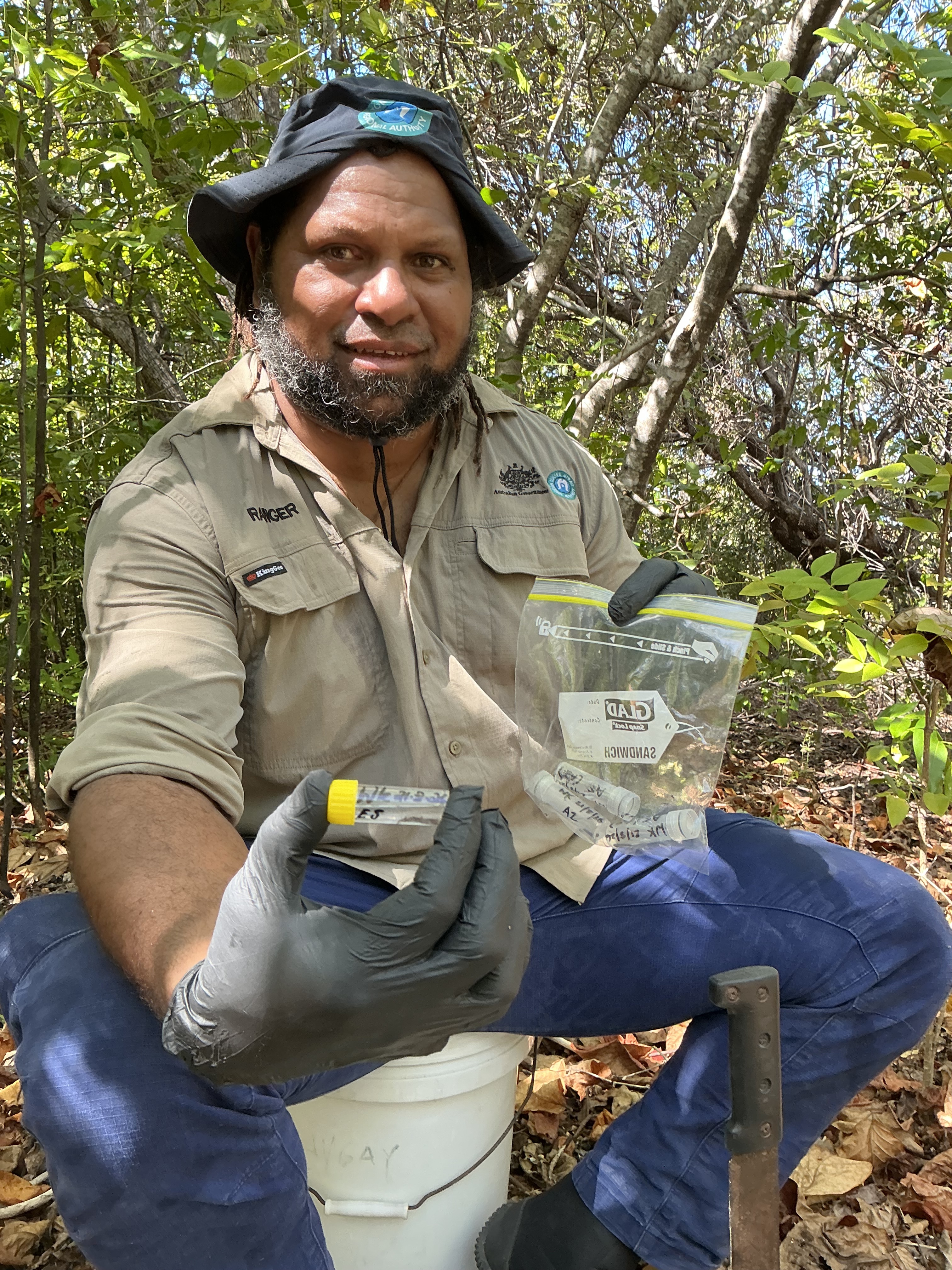
TSRA Land Team Assistant Director Simon Tedder said years of preparation included planning and monitoring led by community with rangers, project partners and technical specialists.
"This First Nations-led approach is weaving traditional knowledge with science to ensure this work is culturally appropriate, scientifically robust and gives Warul Kawa the best opportunity for long-term resilience and recovery," Mr Tedder said.
Warul Kawa is culturally significant including to the people of Boigu, Dauan, Saibai, Badu and Mabuiag and forms part of the Ugul Malu Kawa Indigenous Protected Area (IPA).
The uninhabited remote island will be temporarily closed to community and visitors from 1 November 2026 to 31 January 2027 while eradication works are underway.
The project is funded by the Australian Government's H5 bird flu investment and delivered by Maluilgal RNTBC in partnership with TSRA.
The federal government has committed more than $270 million to prepare for H5 bird flu, including $67.1 million for biodiversity measures.
People are reminded that sick, injured or dead birds should not be touched, and that they should report groups of sick or dead birds or other animals to the Emergency Animal Disease Hotline on 1800 675 888.
For information go to birdflu.gov.au.



