


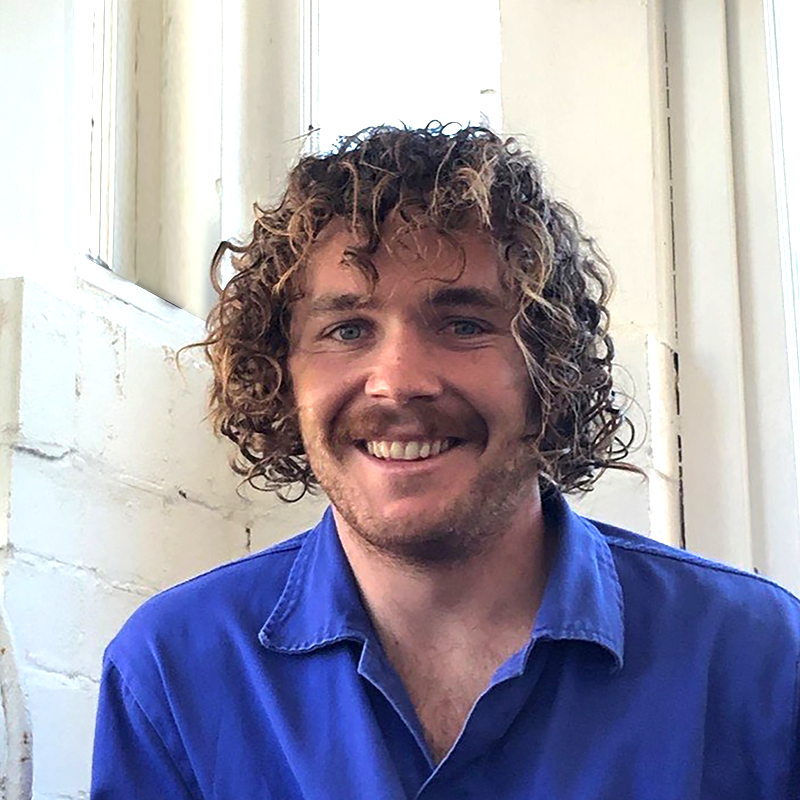
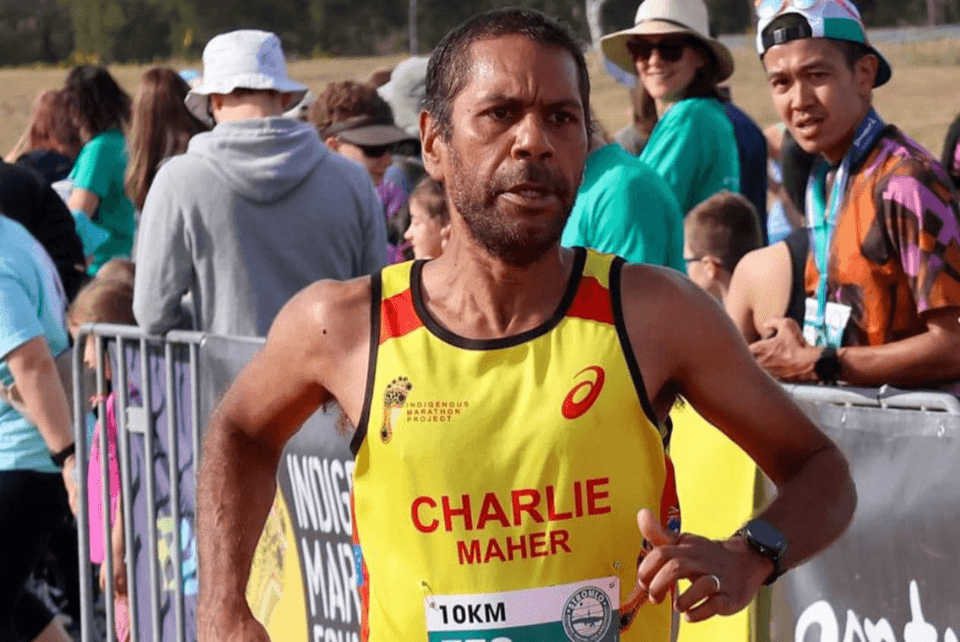
With every stride on Sunday, First Nations runners Charlie Maher, Natasha Leslie and Bianca Graham are set to create history at the TCS Sydney Marathon.
The trio are set to become the first Indigenous athletes to complete seven World Marathon Majors races on Gadigal Country.
At the same time, fellow Indigenous Marathon Foundation graduate Andrew Thorpe will debut new AI digital twin heart technology in Australia.
Just over 20,000 people across the world have earned world marathon Six-Star status - that's completing Boston, New York City, Tokyo, Berlin, Chicago, and London majors.
Maher, Leslie and Graham have it, with the seventh soon to be ticked off.
The Sydney Marathon was elevated to major status in November last year.
"The three of us creating history together, running a seventh major, is pretty special," Maher told National Indigenous Times, speaking of their achievement.
"To do it with those two strong women, I'm really looking forward to that."
Later followed by his fellow history makers, Maher was the first Indigenous man to complete the NYC Marathon in 2010.
He became the first graduate of the Indigenous Marathon Project, now Foundation, in the process.
15 years later IMF celebrated more than 150 graduates and Maher has become their inaugural Aboriginal and Torres Strait Islander chief executive.
Sunday is set to be a "really, really special occasion" as many others who engaged with the foundation join in on the day, Maher said.
Thorpe had never thought he'd run a marathon in his life. He now estimates he's completed 20 or more - too many to keep proper tabs on.
Since graduating from IMF, he's more recently joined TCS's (Tata Consultancy Services) Future Athletes Project, which integrates data using three-dimensional digital models to create digital twin hearts.
The non-invasive testing tool uses MRI images to track biometric data, which is replicated on the twin heart, as a means to track an athlete running, and the body's response.
Future plans for the technology include a wearable piece of AI, and even a personalised medicine device.
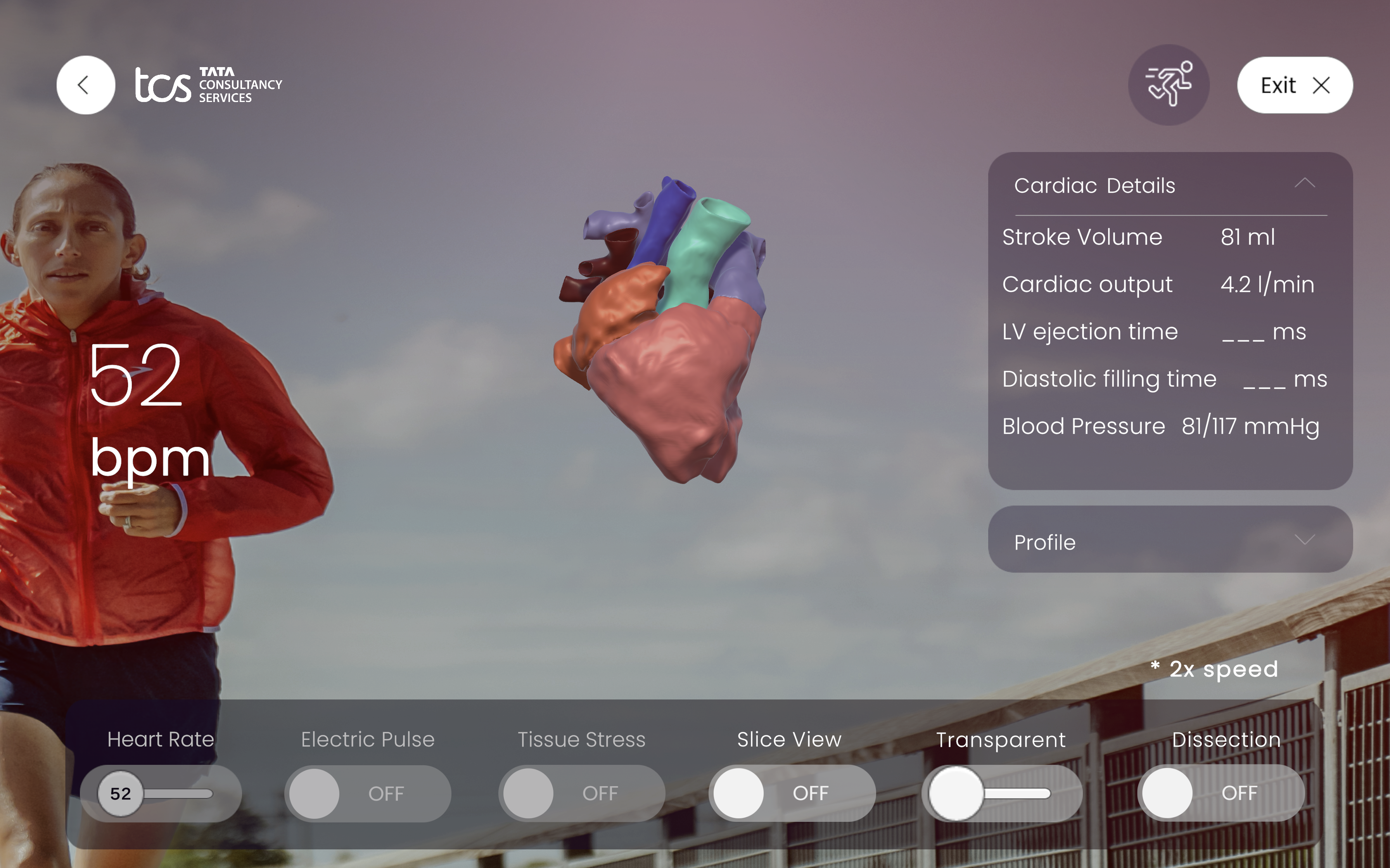
Thorpe says it's given him "another lens to look through" to see how his body is functioning.
"It's really good insight into more details and more information about what we are capable of," he told National Indigenous Times.
"We enter things like how we're feeling, what we've eaten… it takes everything into consideration and then spits out the data.
"It's a live document.
"I see that it could help many people to get to that marathon goal, or the half marathon, or whatever it is that you have a goal in mind. It can help you get there, because it will cater to your needs."
Thorpe isn't the only former IMF squad member taking part of the Future Athlete's Project.
Maher said it doesn't come as a surprise to see someone like him taking part in an initiative which could help future generations of runners, and others around the world.
It's also something he's sees as adding to IMF's purpose to create a "ripple effect", not just with their running programs but community and wellbeing outreach.
The foundation are currently working towards a $1 million fundraiser aimed at the work they do - largely focused in their Make Your Mark campaign.
Footy champions in their respective codes, Lance Franklin and Johnathan Thurston have joined the squad in 2025 - both taking part in marathons and helping the fundraising efforts.
More than 60 runners are also set to participate in the 5km Sydney Mini Marathon on Saturday.



