




A new, standalone Youth Justice Bill is scheduled to be debated on Tuesday in Victorian Parliament, with a coalition of human rights, legal and Indigenous organisations urging for it to be strengthened and passed.
Last month the state government announced the new bill, which will officially raise the age of criminal responsibility to 12 - with no exceptions - whilst also closing "loopholes" it says allows adults to get children to commit crimes on their behalf, and introducing "stronger consequences" for serious, high-risk and repeat youth offenders.
On Tuesday, the coalition of organisations said the bill - five years in the making - was a "promising starting point" and an "improvement to the status quo," but more could be done to ensure the best chance of a healthy and happy life for all children across Victoria.
"The draft laws should be strengthened to enshrine the Government's commitment to raise the minimum age of criminal responsibility from 10 to at least 14 in law," they said in a statement.
"Consistent with recommendations made by the Yoorrook Justice Commission and a number of other reports and inquiries, raising the age to at least 14 is the absolute bare minimum reform required to achieve the goal of supporting all Victorian children to thrive in the community."
Raising the age of criminal responsibility to 14 is in line with medical expert advice and international standards for child development, and in their interim report in late 2023, the Yoorrook Justice Commission recommended no child under 16 years-of-age should be incarcerated.
Last month, Youth Justice Minister Enver Erdogan said the government has a long-held position to raise the age to 14, currently slated for 2027, subject to an alternative service model.
However, he acknowledged this change would require seperate legislation.
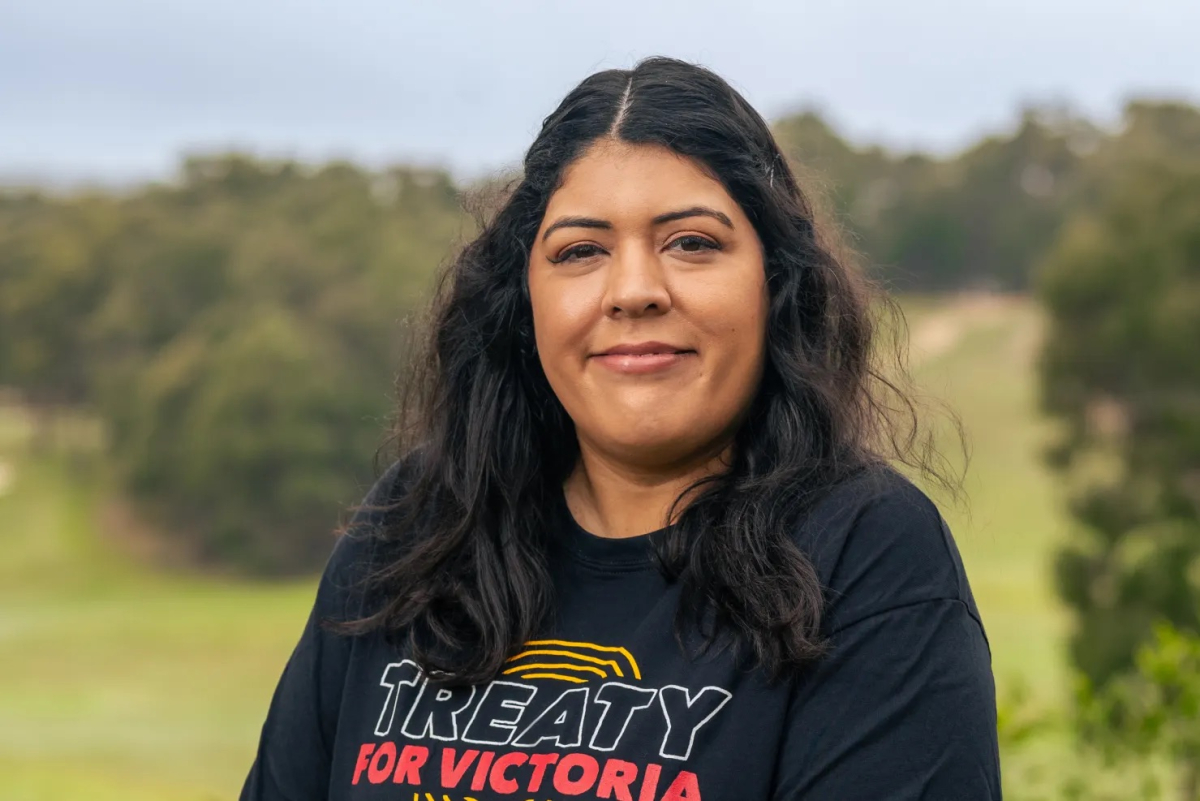
Victorian Aboriginal Legal Service (VALS) chief executive Nerita Waight said the parliament has a "historic opportunity" to allow children to "grow up strong and build a better life for themselves".
"Aboriginal communities and organisations have been working tirelessly for decades to ensure our children grow up strong and connected to Country, culture, community and kin and the Bill is an opportunity to progress that work further," she said.
Despite raising the age to 12 being the minimum expectation among most medical and human rights groups, a cohort of conservative media commentators have pushed back on the proposal in recent times, exacerbated by a small cohort of juvenile offenders continuing to commit multiple offences.
Ms Waight previously told National Indigenous Times this "fear mongering" in the media did nothing to improve community safety.
Arguing every child makes mistakes and deserves to be given a chance to move on from them without spending time in prison, the Yorta Yorta and Narrandjeri woman said VALS encouraged everyone in parliament to pass the bill in its best possible form.
"No child deserves to be in prison where they are only at risk of further harm and trauma, where they have disparate education and supports. They need support, safe places, and a pathway out of the justice system - not one that leads them right back," Ms Waight said.
"Experts and organisations like ours have been clear incarceration is not a solution nor does it increase community safety."
We, the Victorian justice sector and our allies, urge the Allan Labor Government to hear our calls for a Youth Justice Bill that supports children to thrive. It's time to get youth justice right.#GettingYJRight #SpringSt pic.twitter.com/0F6Mu20aEN
— Victorian Aboriginal Legal Service (@thevalsmob) June 27, 2024
Victoria has the lowest rate for juvenile detention in the country, at a rate of 5.7 per 10,000 children aged 10-17. However, as is the case across Australia, Aboriginal and Torres Strait Islander children are grossly overrepresented in youth detention, at a rate of 51 per 10,000 children — 10.6 times more than their non-Indigenous counterparts.
The Human Rights Law Centre's Monique Hurley said children don't belong in prisons.
"The Allan Government faces a choice with the Youth Justice Bill: continue ratcheting up a 'tough on crime' political agenda which has failed children and the community, or support evidence-based alternatives which work and ensure that every child grows up with their family and community," Ms Hurley said.
Jesuit Social Services chief executive, Julie Edwards, commended the government on their initial steps to raise the age to 12, but said more needed to be done.
"It is vital, however, to enshrine in legislation a further rise to 14 and to implement this change as soon as possible to give all children the best chance to lead positive lives," Ms Edwards said.
The Victorian opposition has previously stated they are against any proposal to raise the age of criminal responsibility, but it is understood the majority of the cross bench in the upper house favour the proposal, which should allow the bill to pass.



