




A United Nations review of Australia's human rights compliance has heavily criticised Northern Tasmania's Ashley Youth Detention Centre (Ashley), the facility labelled an especially serious example of youth detention failure.
In its five-yearly Universal Periodic Review of Australia's human rights record, the UN Human Rights Council raised concerns about the "almost constant increase" in the number of people held on remand, Australia's "very low age of criminal responsibility", as well as "serious concerns" regarding youth justice outcomes.
In its review the UN's Working Group cited Ashley, as well as Western Australia's Banksia Hill Detention Centre and the Northern Territory's Don Dale Youth Detention Centre, expressing "serious concerns" regarding the practice of keeping children in solitary confinement.
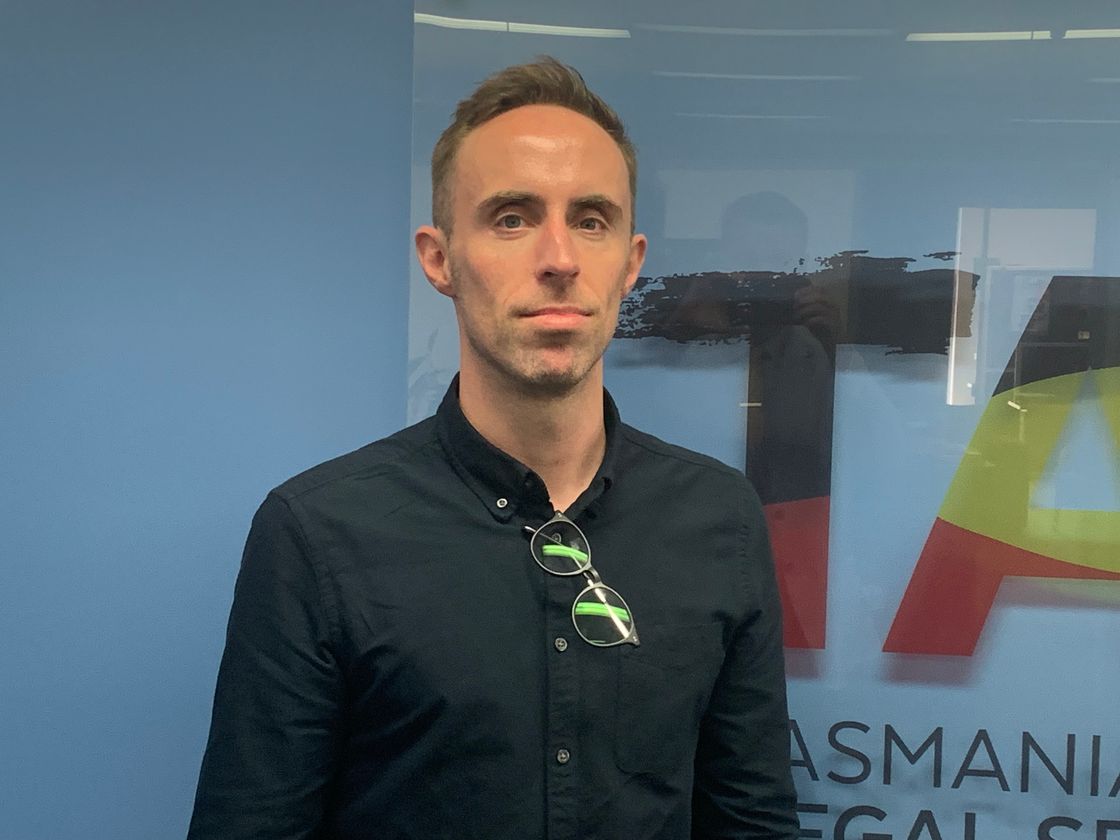
Reacting to the report, Tasmanian Aboriginal Legal Service chief executive Jake Smith, told National Indigenous Times he was not surprised by the findings.
"It is no surprise the United Nations Human Rights Council have called out the Ashley Youth Detention Centre, and have raised concerns with the overrepresentation of Aboriginal youth in detention, along with other youth justice related concerns in their review," Mr Smith said.
"For many years, time and time again, these concerns have been raised with calls for action."
The UN report comes after Tasmania's Office of the Custodial Inspector highlighted systemic issues relating to the transportation of children and young people to and from Ashley, after a contract security officer covered the head of an Ashley detainee with their own t-shirt — creating an improvised 'spit hood' — while the detainee's hands were handcuffed behind their back.
The act was labelled "torture-adjacent practice" by Debbie Kilroy from the National Network of Incarcerated and Formerly Incarcerated Women and Girls (National Network).
"Children deserve care, not suffocation," Ms Kilroy said last month. "This is incompatible with any claim to safe or responsible care."
Tasmanian Custodial Inspector, Dr Grant Davies, said at the time: "The use of an improvised spit hood had the potential to cause significant physical and psychological harm to the young person."
Following the release of the Custodial Inspector's report, the Tasmanian Government's 'secret' transfer of Aboriginal children to an adult prison facility was condemned as grave human rights breach by the Tasmanian Aboriginal Centre, with concerns also raised by TALS.
There have been ongoing calls for the closure of Ashley for years, most recently from the National Network and the Tasmanian Aboriginal Centre.
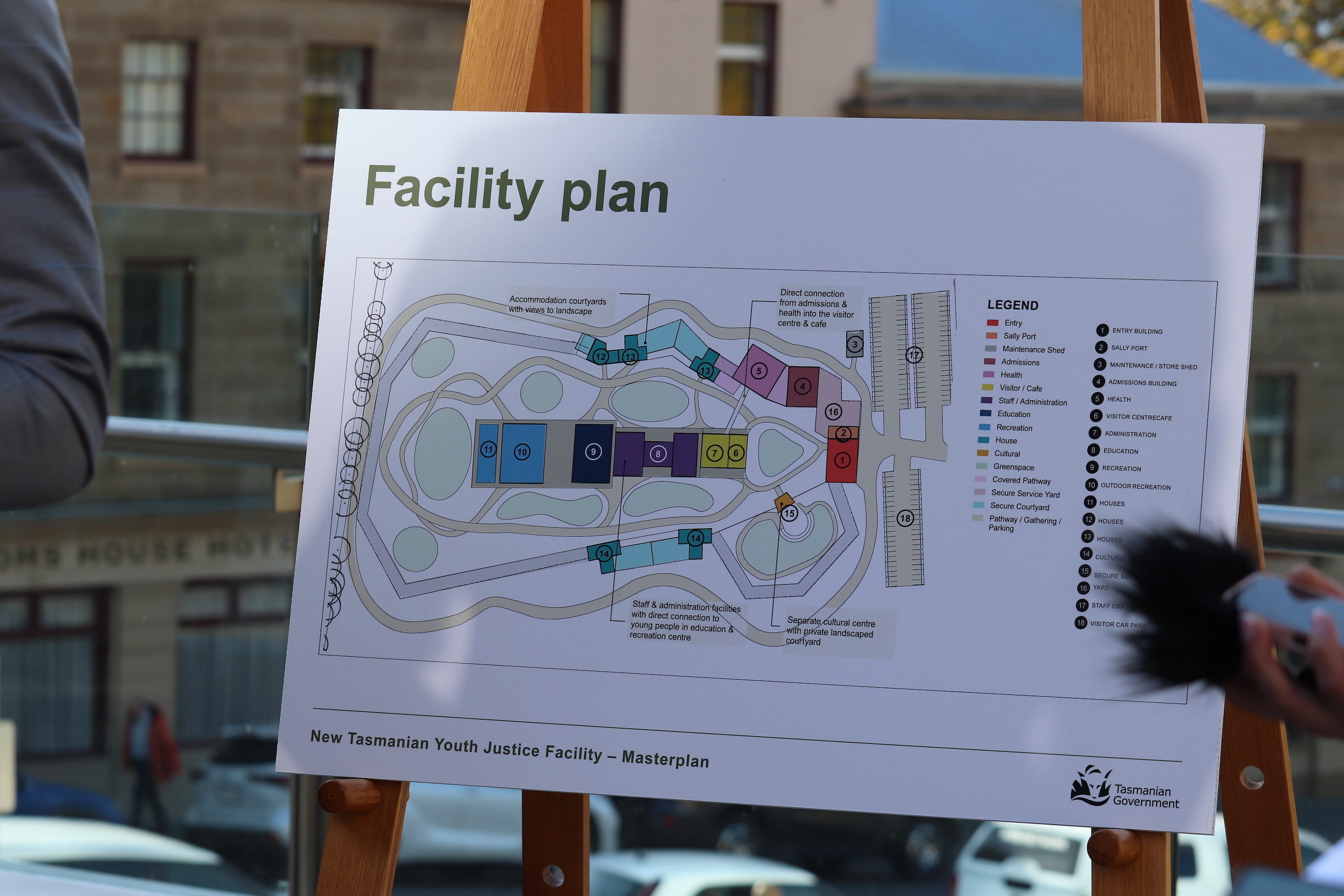
The facility's closure has been delayed multiple times, with the government last year saying Ashley will remain open until at least early 2028 to allow for the planned Tasmanian Youth Justice Facility to be built near Brighton, north of Hobart.
"While the Tasmanian Government is working towards improved outcomes across a number of areas as part of the Youth Justice Reform... this review highlights the urgent need for immediate action, without delay, and with appropriate investment to protect our youth and particularly Aboriginal youth at risk and in contact with the justice system," Mr Smith said.
Greens Spokesperson for Children and Young People, Cecily Rosol, said the Tasmanian Government was in "clear breach" of its responsibilities under the UN's Convention Against Torture.
"It's completely detestable that Tasmanian children have been locked in solitary confinement at Ashley Youth Detention Centre, in contravention of their human rights," Ms Rosol said.
"The Commission of Inquiry could not have been clearer about the need for this practice to stop, and we need to hear an urgent update from the government on whether that has happened."
Ms Rosol highlighted the UN's condemnation of the "abhorrent treatment" of Tasmanian children detained at Ashley, as well as serious concerns regarding the low age of criminal responsibility, which she said was warranted.
"Increasing the age of criminal responsibility was a recommendation of the Commission of Inquiry, but the Liberal Government still hasn't stopped locking up Tasmanian kids as young as ten," Ms Rosol said.
Responding to questions posed by National Indigenous Times, a Tasmanian Government Department for Education, Children and Youth (DECYP) spokesperson refuted the UN's findings, saying isolation "cannot be and is not used for punishment or disciplinary purposes" at Ashley.
"The recent UN report is based on information drawn from a December 2022 report by the Committee on Torture," the spokesperson said.
The spokesperson said "significant changes" have occurred at Ashley since 2022, "and improvements are continuing".
"Due to unexpected fluctuations in staff numbers, young people can experience longer periods of time within their bedrooms, but this is minimised and only used as a last resort to ensure the safety and security of everyone at the centre," the spokesperson said.
"There is no room sharing at AYDC and, during these periods, young people continue to have access to schooling, appointments, phone calls and exercise.
"In times of unavoidable extended time in their bedrooms, young people are supplied with education packs, video games, music, and movies. AYDC staff continue to regularly monitor young people during this time.
"We are constantly working to improve the care experience for young people in detention, and this includes minimising any time spent in isolation."



