




Tasmania's troubled Ashley Youth Detention Centre will remain in operation until at least early 2028 after the state government pushed back its closure date for the third time.
Recommended for closure as soon as possible in 2023 following the state's inquiry into institutionalised child sexual abuse, the Tasmanian government first pledged to shut the centre by the end of 2024, later saying it would be close in 2026 once a replacement facility had been established.
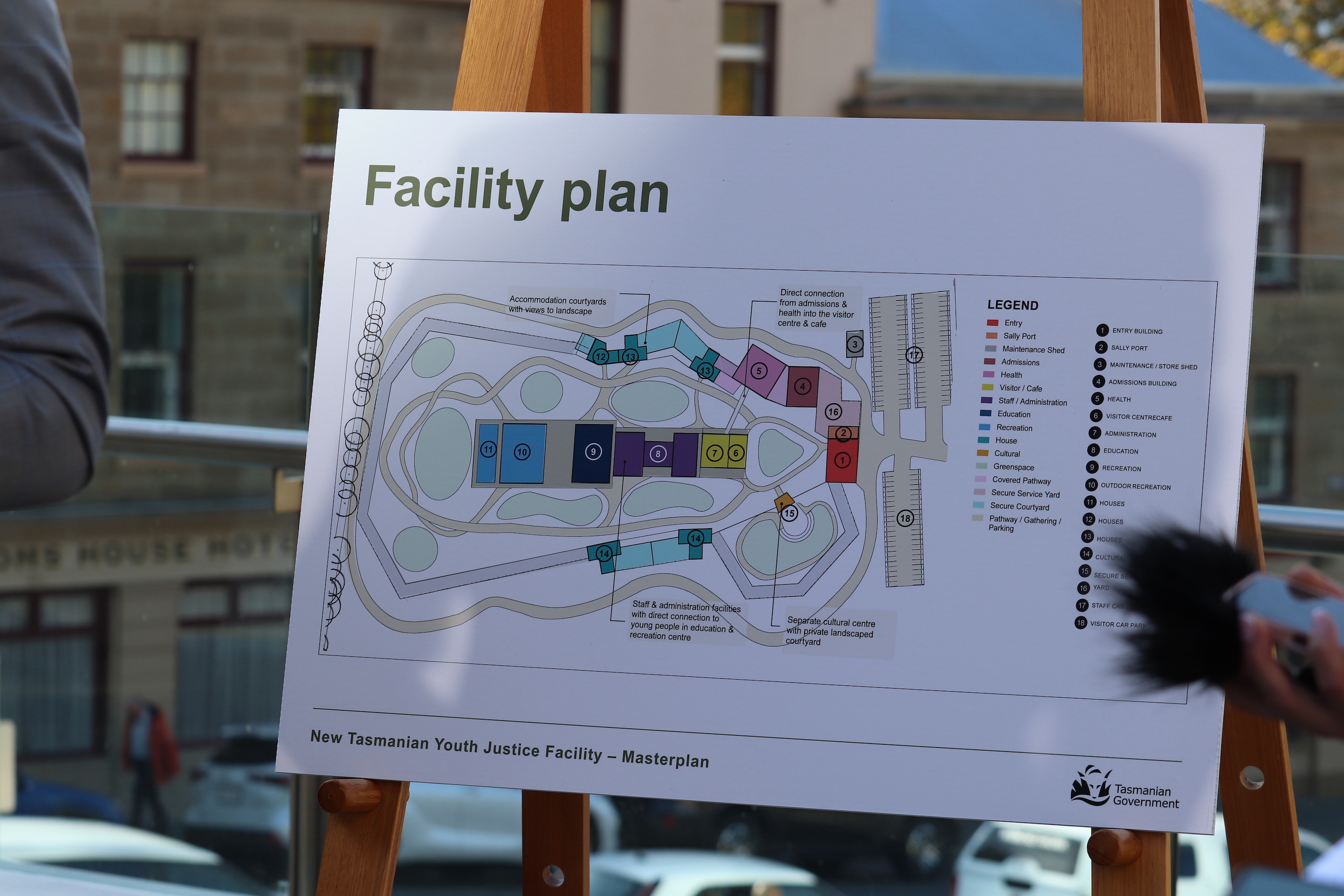
However, this week its closure date was pushed back to 2028 as part of the announced Tasmanian Youth Justice Facility masterplan.
"We cannot (close the centre) before we have a new functional detention facility," Tasmanian Minister for Children and Youth Roger Jaensch told reporters.
"We believe … we can see the new facility built before the end of 2027 and then the closure of Ashley shortly thereafter."
The Centre will be replaced by a 16-bed "best-practice, therapeutic design", in Pontville, north of Hobart, with the government saying the new facility has been designed to "ensure the safety of the community as well staff and residents, as well as addressing the individual needs and risk factors of young offenders".
Last month, members of Tasmania's Aboriginal community threw their support behind the opening of the Tasmanian Aboriginal Youth Justice Strategy community consultation period.
They included Indigenous advisor to Amnesty International Australia, Uncle Rodney Dillon, who commended the state government for adopting a preventative Aboriginal youth justice model, saying Aboriginal-led solutions were critical in reducing recidivism.
"So we've got to develop things that [are] going to stop kids from staying in this system, and help them get away from this, address the issues that the kids got to get into it, and then see how we go from there," Mr Dillon told National Indigenous Times.
Similar to many Australian states, Aboriginal young people are disproportionately represented in youth detention in Tasmania.
Australian Institute of Health and Welfare (AIHW) data suggests on an average day in 2022-23 in Tasmania, "First Nations young people aged 10–17 were about four times as likely as non-Indigenous young people to be under supervision".
Data suggests First Nations young people aged 10-17 represented 31 per cent of young people under youth justice supervision during that time period, despite making up 10 per cent of that age demographic in the general population.
According to the Tasmanian Government's Department for Education, Children and Young People (DECYP), the daily average of young people in custodial youth justice in the state sat at 16.2 for the December quarter, with 42 individuals entering custodial youth justice in that time.
Mr Jaensch said the new facility has been designed to deliver a child-centred and therapeutic model of care, while keeping the community safe.
"The new facility's design focuses on supporting the education and other services young people need to live positive lives and avoid re-offending when they return to the community," he said.
"The Tasmanian Government is investing in diversion and early intervention programs to reduce offending, and this Facility will play an important role in supporting rehabilitation and keeping the community safe."
A DECYP spokesperson told National Indigenous Times 14 young people are currently detained at Ashley, with the number of Aboriginal young people unable to be released.
- with AAP



