




A series of high-profile and "punitive" law changes have directly fuelled a sharp rise in Indigenous incarceration in Victoria, with corrections data showing Aboriginal imprisonment has increased by almost a quarter over the past year.
Corrections Victoria figures for the end of May show 1,094 First Nations people in prison — 209 more than at the same time in 2025. The increase was particularly stark for Aboriginal women, whose imprisonment rate rose 85.1 per cent over the year.
Almost half of all Aboriginal people in custody — 530 people — are on remand awaiting trial, following the introduction of new bail laws the Victorian Government has described as the toughest in the country.
The data clearly shows, according to the Victorian Aboriginal Legal Service (VALS), a government that has "put politics ahead of basic human rights".
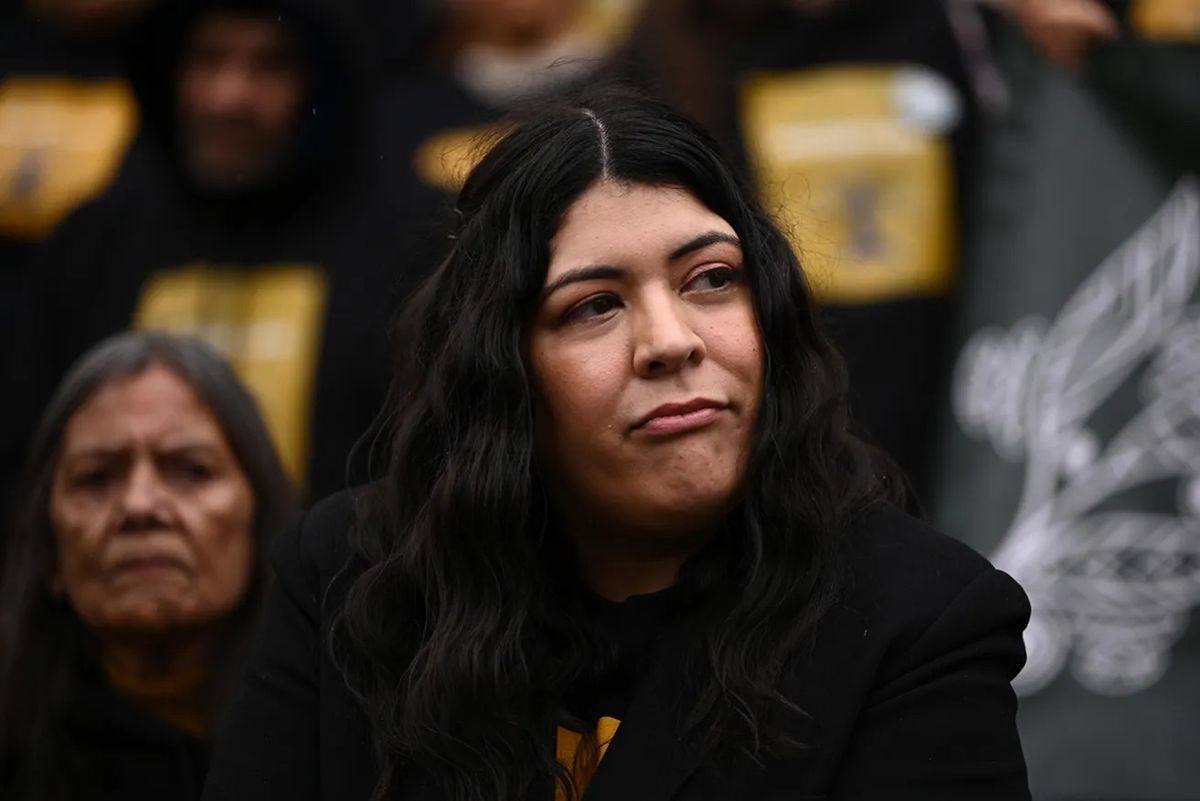
"These are not just numbers and statistics," VALS chief executive Nerita Waight told National Indigenous Times. "These represent people who are being removed from their communities, separated from their families and led to believe their futures are not worth investing in."
Ms Waight said VALS and other legal and human rights organisations had repeatedly warned the government that the bail and sentencing reforms — introduced in two stages over the past two years amid heightened public concern about crime — would disproportionately harm Aboriginal communities.
"And that is exactly what we are seeing," she said.
"The Victorian government can no longer claim that the harm caused by their policies and investments are 'unintended consequences', when it is clear the outcome will be the mass incarceration of our people."
The second tranche of the reforms, announced last year, made it "almost impossible" for repeat offenders to obtain bail, according to the Victorian Government.
The legislation included a "second strike" rule for people who commit further offences while on bail, along with a broader bail test modelled on New South Wales laws that applies to both adults and children.
When introduced, a coalition of Aboriginal and legal organisations criticised the new "high degree of probability" bail test, arguing it amounted to "automatic pre-trial detention". They argued it would require adults and children accused of some non-violent offences to satisfy a higher threshold for bail than people charged with offences including murder or rape.
Premier Jacinta Allan defended the reforms at the time, saying Victorians were "rightly disgusted with repeated, violent offending".
"Now, our bail laws are the toughest in the country, because community safety will always come first," she said.
A Greens amendment calling on the government to ensure the laws did not worsen human rights abuses or "result in disproportionate incarceration of vulnerable groups, including women and First Nations peoples, leading to deaths in custody," was defeated.
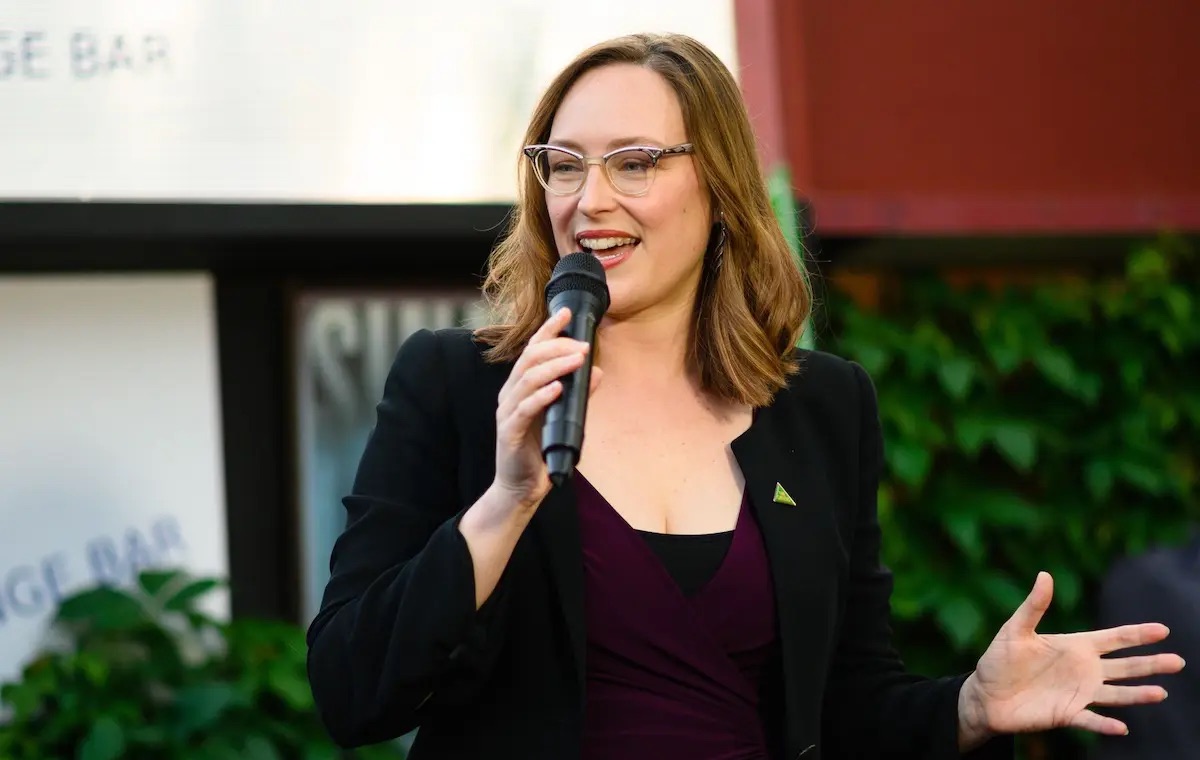
Following the release of the latest prison figures, the Greens said the data showed the government was "punching down on the most vulnerable in the community for political gain".
"Mandatory sentencing policies have been thoroughly debunked in terms of improving public safety," Greens justice spokesperson Katherine Copsey said.
"Instead of pretending her populist 'law and order' policies are working, Jacinta Allan should explain why last month she imprisoned more First Nations Victorians than any other Premier in history."
Last year, National Indigenous Times reported record lockdowns at Victoria's only maximum-security women's prison because of staff shortages, alongside several suicide attempts. The Victorian Government also faced criticism after appearing to celebrate the growing remand population.
Ms Waight argued the government had continued to "consistently celebrate" the rising imprisonment of Aboriginal people, despite the widely accepted notion that prisons are "inherently unsafe for Aboriginal people".
"There have been numerous inquiries, coronial inquests and hundreds of recommendations that continually identify the systemic failures which lead to deaths in custody of our people, and yet they remain unimplemented, putting lives at imminent risk," she said.
"Aboriginal deaths in custody is a national crisis, and yet we hear silence from all levels of government across the country."
The latest reforms reversed earlier bail changes introduced following sustained advocacy from the family of Veronica Nelson — a Gunditjmara, Dja Dja Wurrung, Wiradjuri and Yorta Yorta woman who died in custody in 2020. Those earlier reforms came after Victoria's bail laws were described as an "unmitigated disaster" that disproportionately affected First Nations people and women.
The changes, which were welcomed by Aboriginal organisations after years of campaigning, were later described as "wrong" by Premier Allan.
Ms Waight argues the latest prison figures demonstrated the consequences of the government's approach.
"Shame on this government for its single-minded, ill-informed and inhumane approach to community safety," she said. "Our communities deserve to be safe."



