




Incoming First Nations engagement and participation-focused jobs at NT Cricket will reach remote communities around the Territory, and hopefully give crucial grassroots knowledge a "foot in the door" at the administrative level, hopes a champion of Indigenous participation in the game.
The Territory's governing body are due to introduce two new roles - First Nations program manager and growth lead to be based out of either Darwin (Larrakia Country) or Alice Springs (Mparntwe).
Reporting to the Head of Cricket, the programs manager is described as key in the NT's National Indigenous Cricket Championships planning and delivery, help lead strategy and operations for remote programs and carnivals (including the Imparja Cup), develop partnerships and funding opportunities.
The job will also play a hand in bolstering participation and the talent pathway, lead cultural capability efforts within the organisation and play a role in national Indigenous cricket strategy.
The growth lead will be a major touchpoint for outreach in remote communities, delivering programs and participation, including youth introduction cricket, and responsibility of efforts to increase Indigenous representation in Darwin, Mparntwe/Alice Springs, Katherine and Tennant Creek club cricket.
While not specifically Aboriginal and Torres Strait Islander-identified positions, Indigenous candidates are preferred.
Cultural awareness and understanding of issues affecting Aboriginal and Torres Strait Islander peoples, knowledge of Indigenous traditions, protocols, cultures and societies, and the ability to communicate in a culturally respectful and effective manner are listed as essential consideration criteria.
Shane Franey is a trailblazing figure in Territory Indigenous cricket.
A co-founder of the Imparja Cup - an annual carnival bringing major centres, community and school-age teams to Mparntwe in its current form and a precursor to the National Indigenous Cricket Championships dating back over 30 years, Freney remains on the ground championing First Nations participation and talent in the sport.
The Imparja Cup started as a one-off match between Alice and Tennant Creek before growing into a yearly carnival.
Franey told National Indigenous Times similar jobs used to exist, and it's a positive move to see them reintroduced.
The ability and investment in "going out bush" to see where the game and engagement is sitting has been lacking - something now due to change, he said.
"This is the reason why we need our mob here. Once we've got them in the office, their word is a little bit higher than us on the ground," Franey said.
"Once we've got them in the office their word is a little bit higher than ours from on the ground. That's the reason why this is so important.
"Because when they're in the office, they've got a foot in the door, and we (people in community, on the ground) can talk through them."
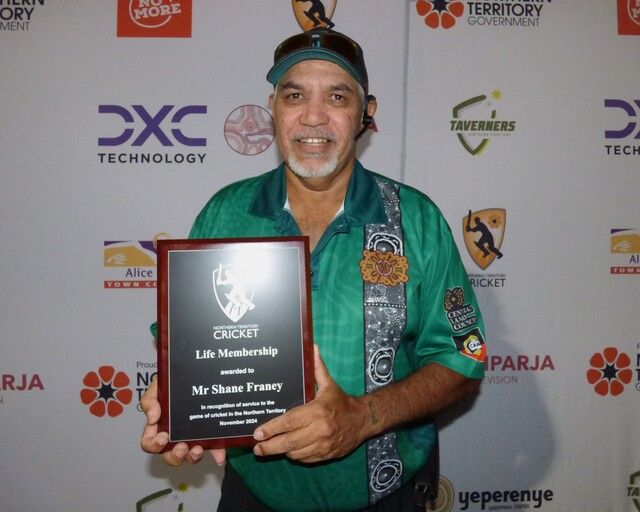
The initiative to introduce the new positions presents as genuine investment from NT Cricket, Franey said.
"We're talking, it's good communication," he said, though areas of improvement and regions to look at exist.
Franey is also keen, with interest from others, to see Indigenous Masters cricket take some steps forward.
There's talent in the emerging younger generations who'll go from strength to strength with the right investment put into them, he added.
NT Head of Cricket Nick Winter told National Indigenous Times while the Territory body are already committed to Indigenous cricket "these roles will continue to build upon and enhance our cricket programs to have a lasting impact".
"First Nations people make up around 26 per cent of the Northern Territory's population, the highest proportion anywhere in Australia," he said.
"That gives NT Cricket a real responsibility to lead in how our sport supports First Nations communities through opportunity and inclusion.
"These roles give us both the leadership and the on-the-ground capacity to deliver cricket programs that are culturally informed and community-led. They also strengthen how we make decisions as an organisation and help create clearer pathways for First Nations players, coaches and umpires across the Territory and into the national system."



