




The federal department for Indigenous Australians recorded a more than 40 per cent rise in complaints over the past year.
Data from the National Indigenous Australians Agency's (NIAA) 2025-26 report prompted Senator Kerrynne Liddle to note that the figures mirror an increase in complaints received by her office.
In the report, the NIAA stated that complaints rose from 192 in 2024-25 to 275 in 2025-26 — an increase of more than 43 per cent.
Appearing at Estimates this week, the NIAA said "approximately 50 per cent of the complaints" received related to elements of a service the Department might be funding, or "provider-related complaints".
"There has been an increase in the number," said the NIAA's Integrity Group Manager Sean Worth. "We have been investing a lot of effort within the agency to ensure that we can receive and respond to those complaints as appropriate.
"It is something that we have been investing in to increase the trust, so, for those people who do make complaints, they can have a level of confidence that these complaints will actually be dealt with. It would naturally be concerning — if we didn't deal with complaints, people would give up on the process."
CEO Julie-Ann Guivarra said it was important to note the NIAA does have a formal mechanism for feedback, with community members and providers encouraged to submit their complaints.
"In terms of seeing a number of complaints increase, we wouldn't necessarily see that as a bad thing," she said.
"It's important that we actually provide the opportunity...for both providers and for community to come forward with issues that they feel need to be addressed. We've done similar work recently with our Indigenous advancement strategy, which of course is our main funding."
Mr Worth said the Department "receive complaints across a whole range of different matters". He told Estimates a third did not relate to the Department's operations, despite being included in the data.
The complaints are "referred within the agency to the appropriate regional areas" so they can be worked through, he said.
"The other complaint categories are spread across a number of different areas of First Nations interests and native title concerns that people might have regarding their own claims and how long it's taking to go through whatever process it is, as well as a number of others," Mr Worth added.
National Indigenous Times understands the NIAA resolved complaints on an average of 14 days, with around a third relating to funded organisations, whilst a smaller amount concerned Native Title claims handled by other bodies.
Other complaints covered a range of issues, including public servant conduct, program design and allegations of "black cladding", whilst close to a quarter did not fall under the NIAA's remit.
The Department also noted it had received a "proliferation" of complaints which it claimed were generated by AI.
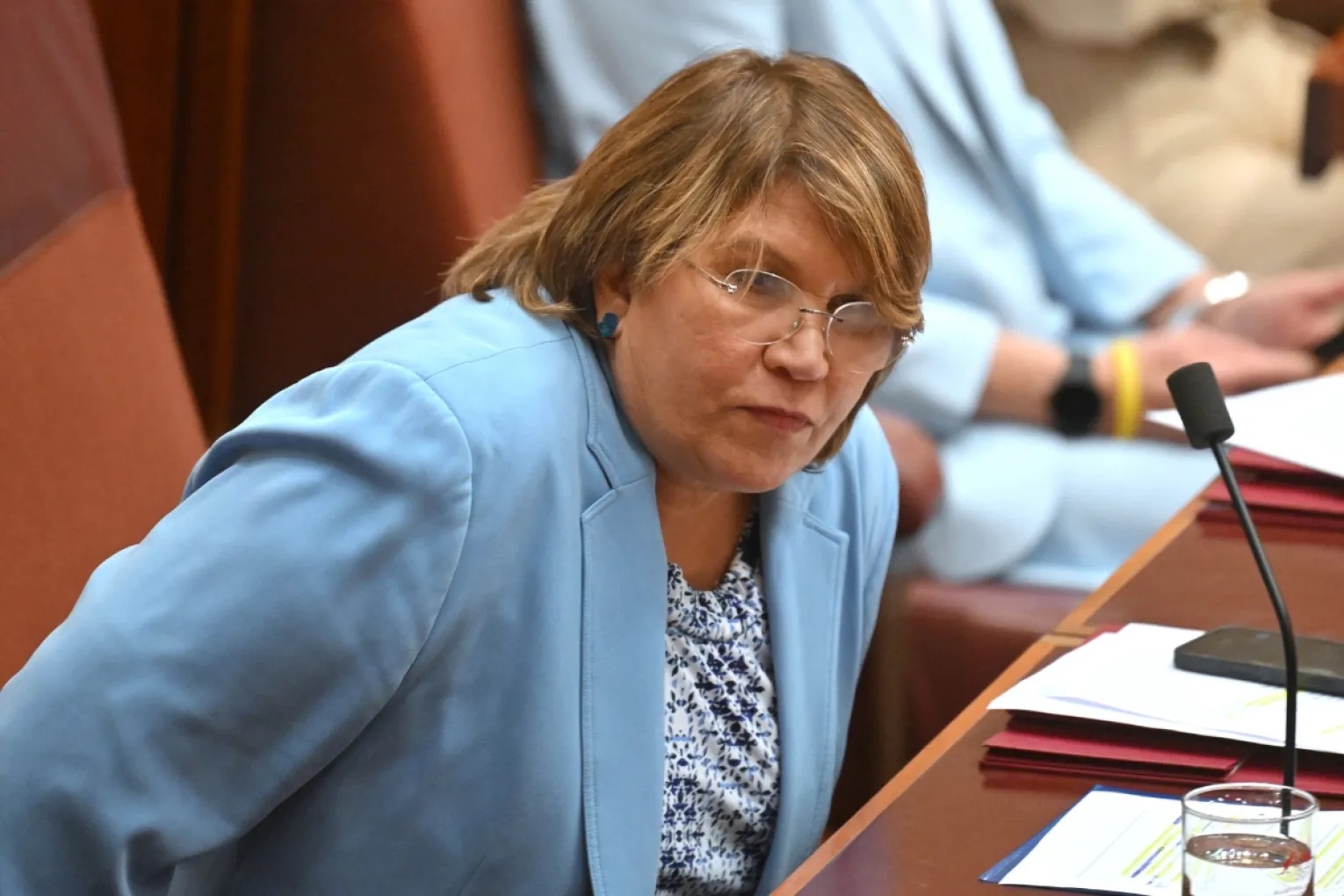
In response, Senator Liddle, an Arrernte woman and the first federal Indigenous MP from South Australia, noted: "It's interesting because complaints to my office have actually gone up as well."
"I can tell there's somebody on the end of the phone when I respond to those phone calls and letters," she said.
Senator Liddle has previously been critical of the efficiency of some of the NIAA's spending, using Estimates in February to inquire why "almost $1 million in Commonwealth funding" was used for public servants attending the 2025 Garma festival.
The revelation prompted Independent Senator Lidia Thorpe to argue that public servants were going on a "junket" while "our people are starved for resources to self-determine our own solutions to look after our people and land".
At the time, the NIAA told this masthead that officials' attendance at Garma cost $151,417 in 2024 and $191,738 in 2025. They noted that while staff numbers did not increase last year — and are not expected to rise in 2026 — ticket prices and travel costs were higher.
Of the $343,401 in costs incurred by the NIAA in 2025, the spokesperson said $151,663 was reimbursed by other departments and agencies with staff attending Garma.



