




More than half of all allegations of misconduct against Australian Federal Police (AFP) officers were "finalised" without investigation using the force's discretionary powers, described by Senator Lidia Thorpe as "staggering".
Figures provided by the AFP in response to a question from Senator Thorpe during the Senate inquiry into racism and hate towards First Peoples show that 512 complaints were made about AFP officers' conduct, involving 1,213 individual allegations, since July 2021.
Of those allegations, 643 were "finalised" using broad discretionary powers under Commonwealth legislation, while 63 were "established" and 215 were "not established".
The remaining 283 allegations are under investigation, the AFP said.
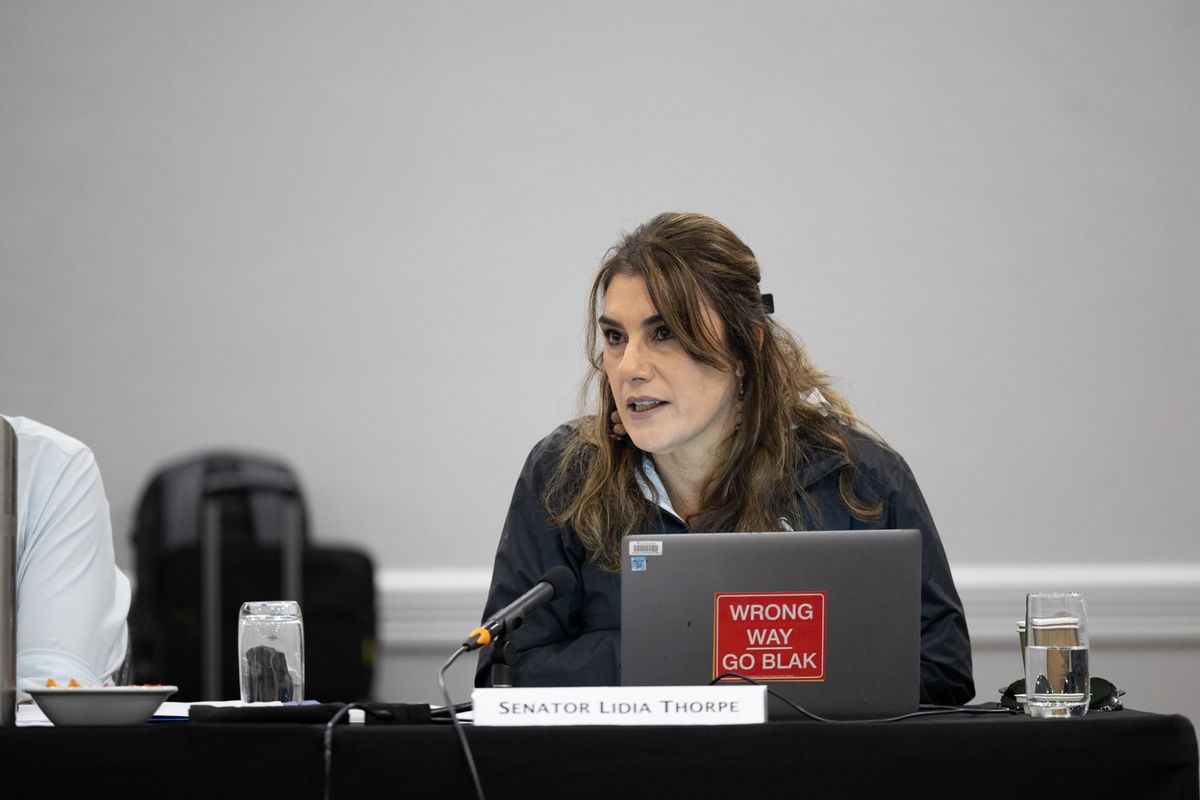
Senator Thorpe, a Gunnai, Gunditjmara and Djab woman, said the AFP's figures were "staggering" and called for an "independent body to investigate police misconduct and end the protection racket".
"The public do not trust cops to investigate cops. We need a better system," she said.
Senator Thorpe noted the Ombudsman had "already raised serious concerns about the AFP's use of this power, finding cases where the discretion was used unreasonably and unfairly and failed to meet the requirements of the Act".
"The Ombudsman recommended the AFP stop using this discretion until they can sort out these problems of misuse," she said. "The AFP has so far ignored that recommendation."
In its latest annual review, the Commonwealth Ombudsman noted that when used appropriately, the discretionary powers under the Act "can support the efficiency of the AFP's complaints framework", but using them too readily "risks denying procedural fairness and deprives the AFP of opportunities for improvement".
"We observed complaints that were finalised without relevant evidentiary material having been identified or reviewed, failures to appropriately document clear reasons for decision-making," they said.
Racism complaints
The data also revealed 13 internal racism claims within the AFP since July 2021. Four were finalised and six remain under investigation.
Over the same period, 25 complaints involving 47 allegations were received about alleged racist conduct by an AFP employee.
Of those allegations, 13 were closed without investigation under the same legislation, eight were "not established" and 18 remain ongoing. Seven were "established".
The AFP confirmed there have been no established findings of racial profiling arising from complaints submitted since July 2021.
Senator Thorpe alleged the AFP "clearly have problems when it comes to racism within their ranks".
"Our people know what happens on the ground, and the data on police stops and searches at state and territory level tells a very different story about how police target First Peoples and black and brown communities," she said.
"Across the country police forces continue to be systemically racist without any consequences or even a need to acknowledge the problem."
View this post on Instagram
Earlier this month, the AFP cleared its officers of discrimination or using excessive force when they removed an Aboriginal teenager from an ACT bus at gunpoint.
The AFP would not reveal what, if any, disciplinary outcomes the officers involved in the arrest would face.
A 17-year-old Aboriginal teenager was taken off a packed bus, brought to the ground, handcuffed and arrested before police realised they had made a mistake and that he was not the person they were looking for.
Despite apologising to him, police still searched the boy.
"While it is not appropriate to comment on the detailed outcomes of individual investigations, there was no evidence to suggest race or other discriminatory factors influenced interactions between police and the young person, or that excessive force was used during the arrest," the AFP Professional Standards Unit said.
Senator Thorpe said police should not be investigating themselves and called for an independent oversight body.
"We need an independent body with the power to investigate police misconduct, deaths in custody and allegations of violence and racism, with the power to refer officers for prosecution," she said.
"The UK and Canada have independent oversight models like this. There is no reason this country cannot establish a genuinely independent national police oversight body, with legal experts, Elders and community representatives involved."



