




The Australian Federal Police (AFP) have cleared their officers of discrimination or using excessive force when they removed an Aboriginal teenager from an ACT bus at gunpoint.
On November 11 last year, a 17-year-old boarded a bus with more than 20 passengers on board at Woden and took a seat at the back.
A few minutes later, three police officers stopped the bus and went aboard with guns drawn. The teenager was taken off the bus, brought to the ground, handcuffed and arrested before police realised they had made a mistake and that he was not the person they were looking for.
Despite apologising to him, police still chose to search the boy.
Last year, the family insisted the incident "was not a misunderstanding" but a "gross violation of a child's human rights". They said their nephew "did not match the description" and was unarmed, simply "minding his own business".
"Your officers pointed a gun at him," they said at the time. "Your officers dragged him off a bus. Your officers slammed him onto the ground. Your officers pinned him down with their knees. And even after realising they had the wrong boy, they still searched him; a terrified child who kept saying, 'I didn't do anything'."
.jpg)
On Friday, the AFP said its Professional Standards Unit (PRS) had completed the investigation but would not reveal what, if any, disciplinary outcomes the officers involved in the arrest would face.
"While it is not appropriate to comment on the detailed outcomes of individual investigations, there was no evidence to suggest race or other discriminatory factors influenced interactions between police and the young person, or that excessive force was used during the arrest," the statement said.
"Consistent with the AFP Integrity Framework, any established findings will be considered for appropriate action. This may include a range of sanctions or other remedial measures."
Only last month, a scathing report by the Commonwealth and ACT Ombudsman criticised the AFP for failing to clearly define racial profiling following the November 2025 arrest.
Ombudsman Iain Anderson found there was a lack of communication between police officers about who had command, cumulative delays and misinformation, as well as missed opportunities to identify the actual offender.
"I recognise that ACT Policing was responding to a fast-evolving incident requiring decisive action, but there are opportunities to improve ACT Policing's engagement with Aboriginal and Torres Strait Islander communities and their aftercare of innocent people who are caught up in their actions," he said.
"I hold concerns that the AFP had no clearly understood definition of 'racial profiling' and have recommended ACT Policing review its use of race as a proxy to describe a person's physical traits and adopt objective descriptors."
While the report found police inappropriately and unlawfully searched the teen, which could have been "potentially lethal", it did not find evidence that race led to increased, heightened or more extreme uses of force.
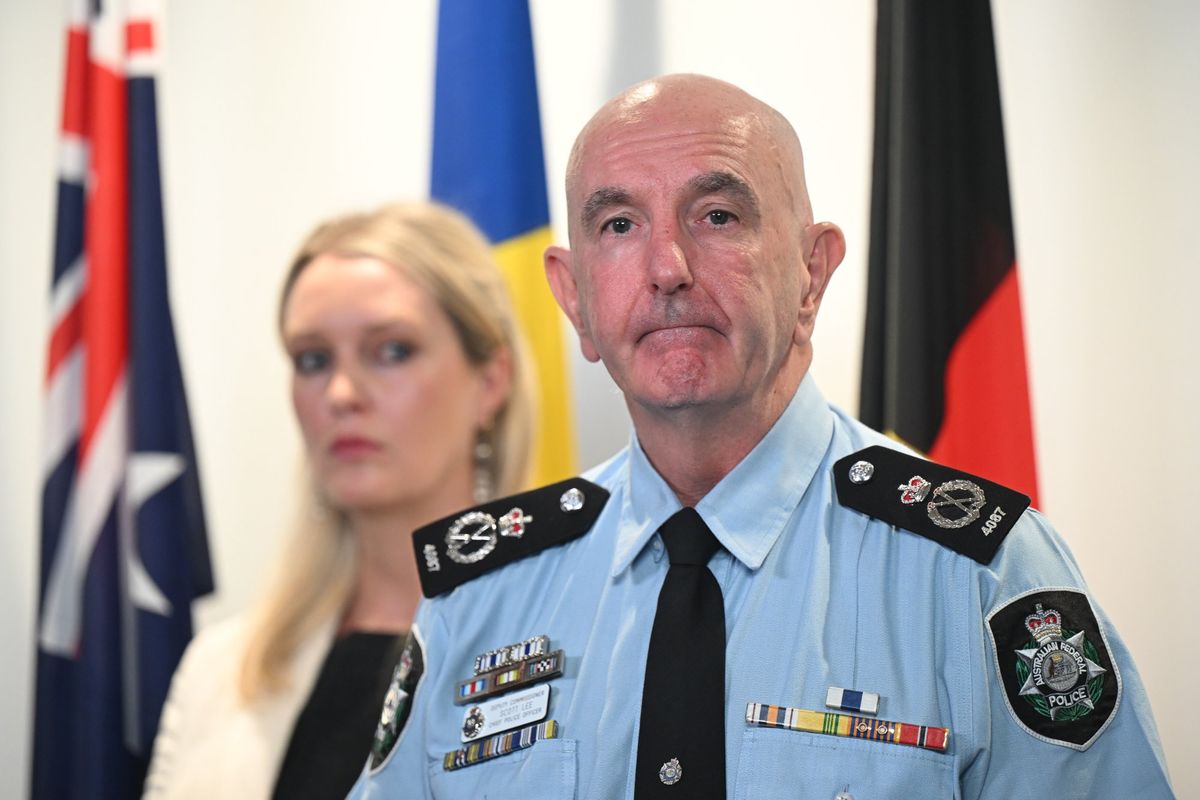
Last month, ACT Chief Police Officer Scott Lee pointed to this finding when confirming all the officers remained on active duty while the investigation was ongoing.
He said the officers could face sanctions following the findings, which included additional training, but accepted trust had been broken between law enforcement and the Indigenous community.
"I apologised at the time of the incident ... and have continued to apologise for the impact on the young person from the mistaken arrest, it's a genuine and it's a sincere apology," he said.
Last year, the family of the teenager said the boy — who had done nothing wrong — was "treated like a criminal, treated like a threat, treated like he was less than human".
"He lives in fear of police... and that fear was created by your officers," they said at the time.
"He depends on the small circle of family he has left: his grandmother, aunties, uncles, siblings, and cousins who hold him up every day. He is a child who needed care, protection, and understanding, not guns, force, and terror.
"This trauma will not disappear. It has changed him. It has changed us."
With AAP



