



A coronial inquest has found Heather Calgaret's death in custody was likely the result of inappropriately prescribed and administered opioid dependence treatment.
Ms Calgaret was a Yamatji, Noongar, Wongi and Pitjantjatjara woman and mother of four who died at Sunshine Hospital in Melbourne's western suburbs on November 27, 2021 after being found unresponsive in her call by her sister at the nearby Dame Phyllis Frost Centre women's prison four days earlier.
She was 30 years old.
At the time of her death Ms Calgaret was less than 10 weeks away from completing her sentence.
On Monday, Coroner Sarah Gerbert presented the findings of a 16-day inquest which took place in 2024.
It was found a high dose of opioid dependence treatment buprenorphine is likely to have contributed to Heather's respiratory depression, collapse, cardiac arrest and resulting death.
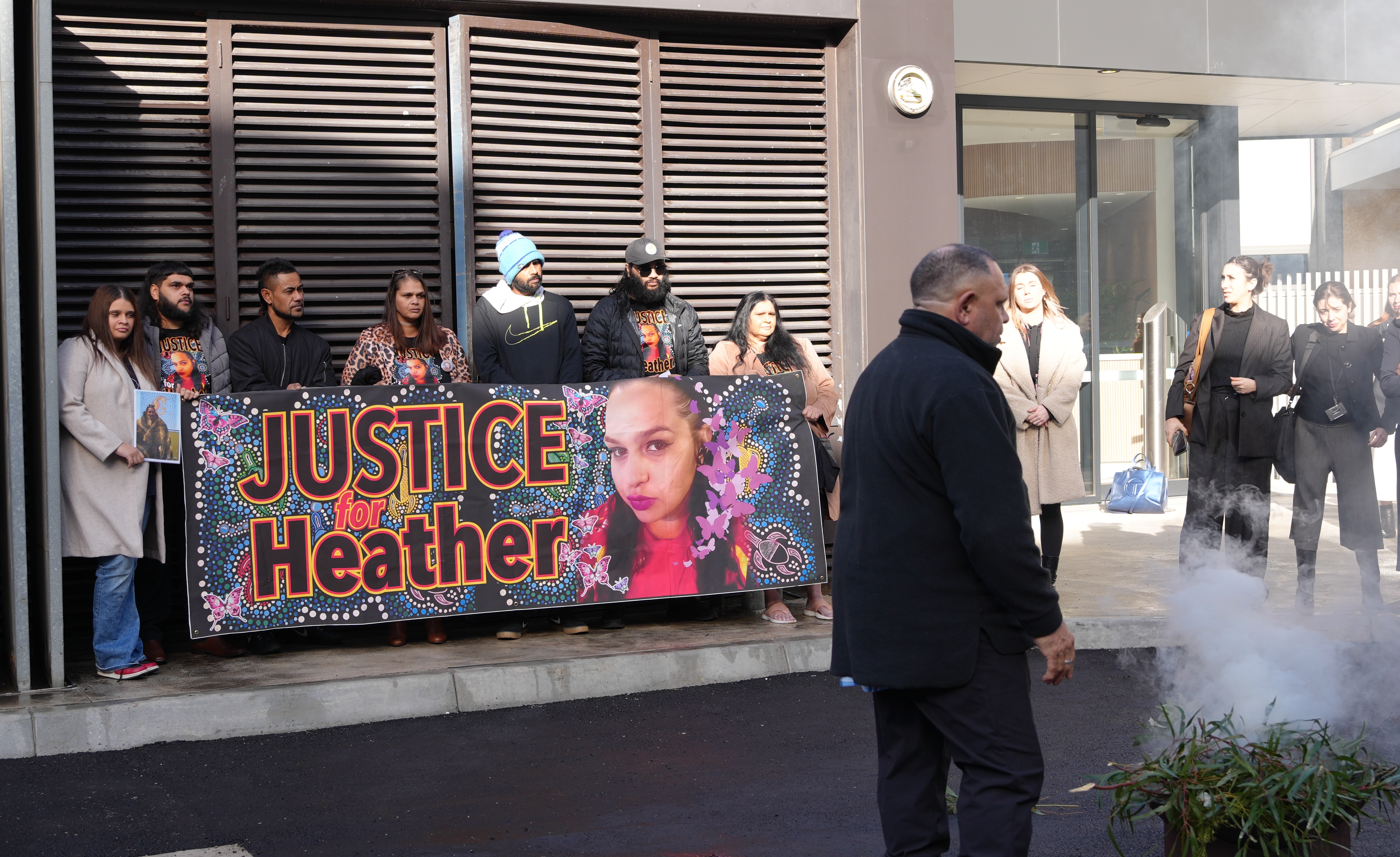
Ms Calgaret was administered buprenorphine on November 22, 2021, the day before she was found unresponsive, after being prescribed the drug by her doctor.
The Victorian Aboriginal Legal Service was critical of this, noting that Ms Calgaret did not have a history of opiate use.
It was the first time a prisoner at Dame Phyllis Frost Centre had been prescribed buprenorphine without first undertaking a period of stabilisation with sublingual suboxone strips, as per Justice Health and Correct Care Australasia (CCA) guidelines.
The nurse who administered the drug was not aware of this lack of stabilisation.
Ms Calagret had been denied an application for opiate replacement therapy, requested in April 2021, after she was assessed as ineligible on November 9, 2021.
It was found the dose of buprenorphine was inappropriate, and that there were no monitoring arrangements in place as a result of circumstances related to its prescribing, and as a result was unable to be appropriately treated.
Evidence suggested Ms Calgaret experienced symptoms consistent with buprenorphine intoxication.
The Coroner Gerbert accepted "there was no clear indication to escalate her care" prior to being found unresponsive, though she had presented as unwell.
It was considered in Coroner Gerbert's findings, Ms Calgaret's passing was preventable, and her death should not have occurred in the manner it did.
The administering of buprenorphine "lacked the careful consideration required for the safe prescribing of opiate replacement therapy", Coroner Gerbert considered, despite a broad acceptance Ms Calgaret's doctor was "genuinely motivated by a concern for Heather's wellbeing".
The provision of healthcare, the management of an unsuccessful parole during the month prior to her death, the opiate replacement therapy Ms Calgaret was presribed, emergency care following her collapse in the lead up to her death, and the cause of her passing were the primary areas of focus during the inquest.
A number of concerns were raised with the management of Ms Calgaret's parole application, which was in-part denied due to a lack of suitable accommodation available on re-entry to the community.
Across the inquest last year, it was heard Ms Calgaret's physical health has significantly declined during her sentence, as well as her mental health.
It was found services available for Ms Calgaret's welfare were limited.
An earlier application to have her baby stay with her in the prison's mother and baby unit, or Living with Mum program, was denied. Ms Calgaret was discharged from hospital without her child after giving birth.
She had begun her sentence six months pregnant.
It was found "the removal of her child appears to have been a pivotal moment in her wellbeing trajectory".
Dr Jocelyn Jones, a member of the inquest's expert health panel, considered there was a "lost opportunity" for supporting an Aboriginal woman to potentially break the cycle of children being removed from her care with Ms Calgaret.
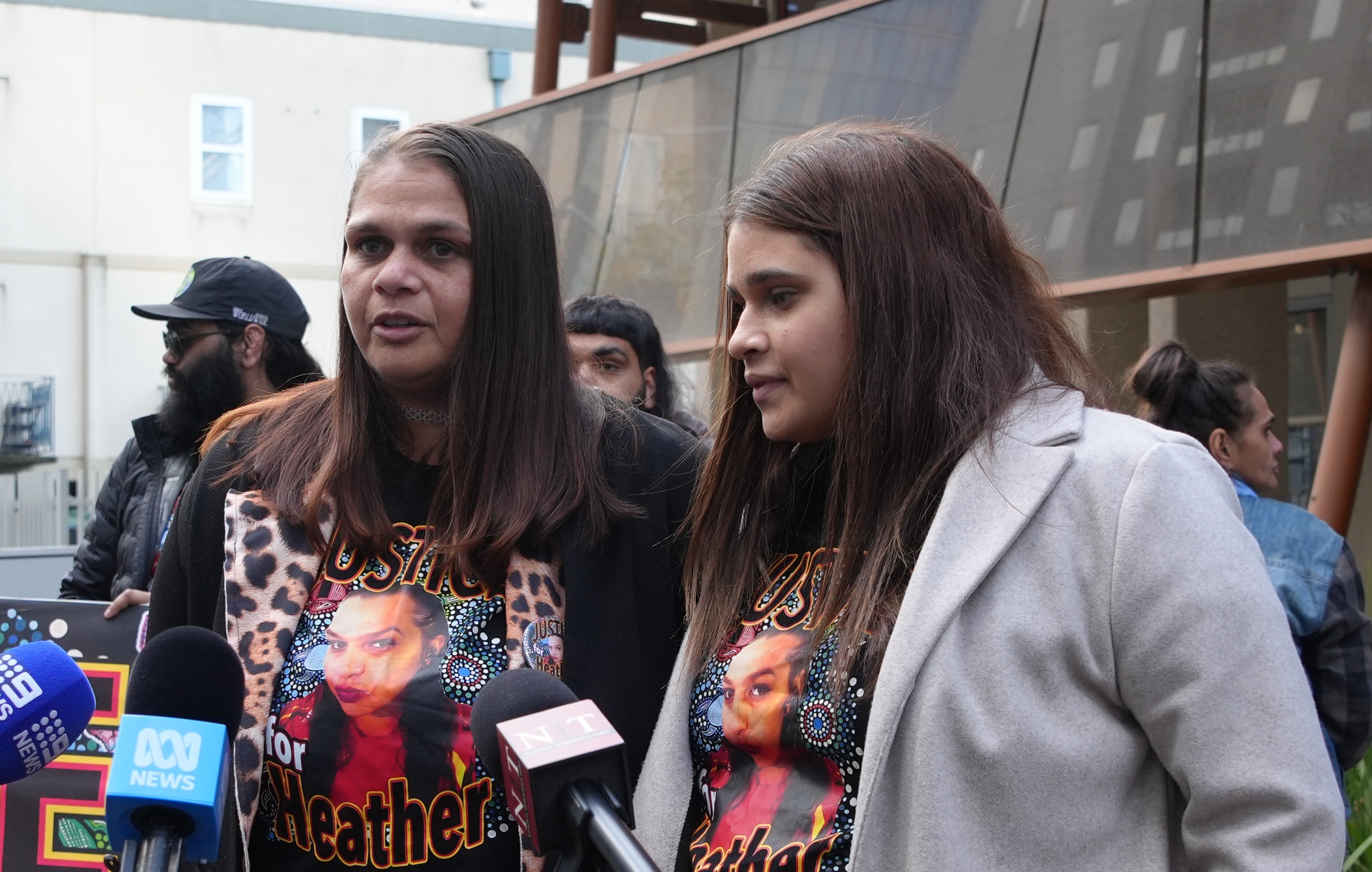
"It's been a long journey from 2021, losing my sister. I feel we've got the justice and the outcome that was needed, especially for my mum and the family," Suzanne Calgaret, Heather's sister, said outside the court following the hearing.
Suzanne Calgaret said it was important to understand "how strong the opiates can be", adding it could happen to anyone.
"We can only prevent it from happening… Life is precious. That's what we all need to realise," she said.
Suzanne Calgaret expressed her love for other "women and the brothers in all the prisons" thanking them for the love and support.
She also thanked the Dame Phyllis Frost officers who responded on the day her sister was discovered, as well as Coroner Gerbert.
"We're all human at the end of the day," she said.
She did, however, question whether every aspect of programs "and the system itself" were reviewed to their fullest extent, alongside her the rejection of her sister's parole.
"I hope they just have learned from this, because it's taken my sister's life, my mom's daughter's life...
"There's a reason now for her passing... but it doesn't bring her back."
Suzanne Calgaret said her sister was a giving person, full of love, who had looked forward to reconnecting with her family once her sentence ended.
"I hope her legacy is within her children. She just she was my baby sister, but she looked after me immensely," she said.
The findings found it was important to note delivery of services were impacted as a result of COVID 19 lockdowns during Heather Calgaret's sentence.
Ms Calgaret attended more than 100 medical appointments during her sentence, though was only seen by a psychiatric nurse practitioner on four occasions.
It was noted by Coroner Gerbert that Ms Calgaret's mother, Aunty Jenny, was not critical of individuals or the 'good intentions' of healthcare providers her daughter consulted.
Aunty Jenny was noted to have accepted her daughter's doctor's genuine intentions to provide care.
Coroner Gebert noted ongoing exploration of models for Aboriginal Community-Controlled Health Organisations to treat Indigenous people in custody, in line with previous reviews and reports, by Justice Health was an important aspect of the inquest.
Victorian Aboriginal Legal Service acting chief executive Amanda Dunstall said it is unlikely recommendations made out of the inquest would be implemented, due to the current justice approach in the state of Victoria.
"The system is not designed to respond to the unique needs of Aboriginal women at Dame Phyllis Frost Centre prison," Ms Dunstall said.
Coroner Gerbert made recommendations that: prisoners are adequately monitored for post-natal depression and receive appropriate post-natal care; women refused Living with Mum program are adequately supported after the removal of their children; and access to psychological services for women at Dame Phyllis Frost Centre is improved.
In addition, it was recommended the state government develop "in-reach" models for ACCHOs to provide primary healthcare for Aboriginal women.
Efforts to better support, and to assign Aboriginal Case Managers to Indigenous parole applicants were recommended to the Department of Justice and Community Safety Victoria.
It was also recommended authorities work with health service providers to see all staff and officers are trained in dealing with drug overdoses.
"Today doesn't necessarily bring us peace about Heather's passing – because we already knew what had happened to her," Suzanne Calgaret and Aunty Jenny said, in a statement through VALS.
"If anything, it has just reassured us. All we have left now are memories of Heather. We have her voice on the radio, the photos that will remind us that she was here and that she was alive."



