




If Indigenous businesses held 3.8 per cent of the Australian beverage industry, matching their share of the population, it would be valued at about $2.7 billion a year creating 22,000 jobs and have gross output of about $6 billion.
There are about a dozen First Nations beverage producers making their way into the industry.
Those who control most of the shelves, taps and venues Australians buy their drinks from gathered at The Oriana at Circular Quay during NAIDOC Week to launch the Beverage Reconciliation Industry Network Group (RING).
RING brought together Coles, Endeavour Group, Lion, Asahi Beverages, Suntory Oceania and Australian Venue Co, which hosted the group's first in-person event to mark 50 years of NAIDOC, to launch the network's purpose and future direction.
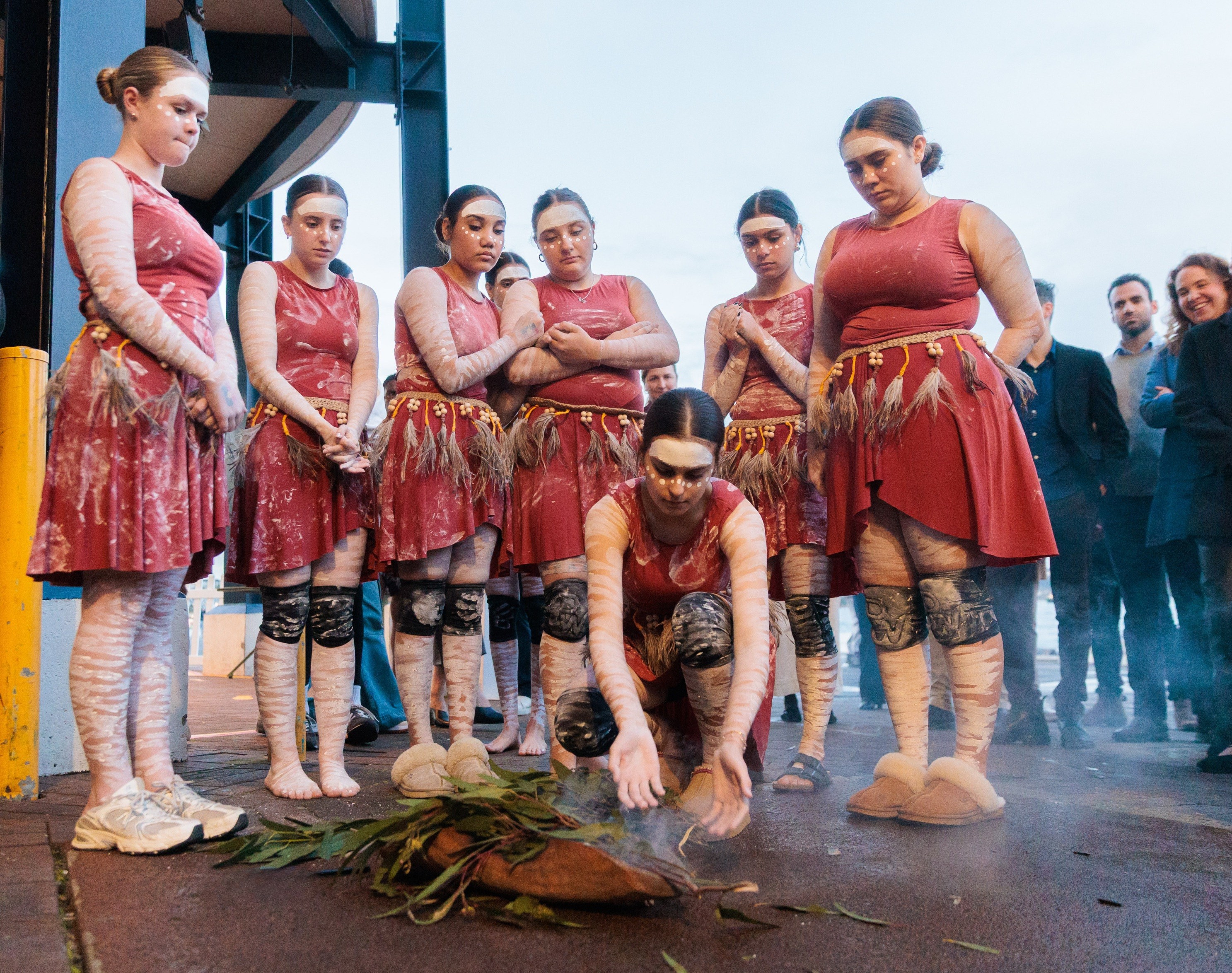
Reconciliation Australia chief executive Karen Mundine was among the guests, the Brolga Dance Academy performed, and MC and keynote speaker Toni Janke issued the challenge.
"Through business, we make influential decisions every single day, through employment opportunities, investment, innovation, supply chains, education and so on," Ms Janke said.
"Imagine if we could fully unlock Indigenous entrepreneurship and the enormous potential that we know exists in our communities."
Coles head of Indigenous affairs, Kamilaroi woman Sara Stuart, said the network was built for exactly that job.
"Reconciliation is bigger than any one company or RAP," Ms Stuart said.
"By working together, we can create stronger relationships, greater consistency, and a more meaningful, lasting impact for Aboriginal and Torres Strait Islander peoples."
Coles Liquor General Manager Commercial Sophie Went shared "NAIDOC Week provides a fantastic opportunity to champion and celebrate Aboriginal and Torres Strait Islander cultures, histories and achievements. By showcasing the deadly Indigenous-owned brands we range at Liquorland and coming together at the inaugural RING event, we can amplify First Nations businesses, share their stories with our customers and create meaningful opportunities for recognition, connection and growth."
The scale of the opportunity
The alcohol beverage industry is one of the largest consumer sectors in the country.
The most recent whole-of-industry estimate, the 2017 research commissioned by peak body Alcohol Beverages Australia, put its contribution at $70 billion a year, creating 595,000 direct and indirect jobs across growing, manufacturing, logistics, retail and hospitality, with total output of $158 billion.
Those figures are likely to have increased significantly since then. The spirits sector alone contributes $15.5 billion in added value and supports more than 50,000 jobs.
The producers are ready
The businesses showcased on the night need no case made for their quality.
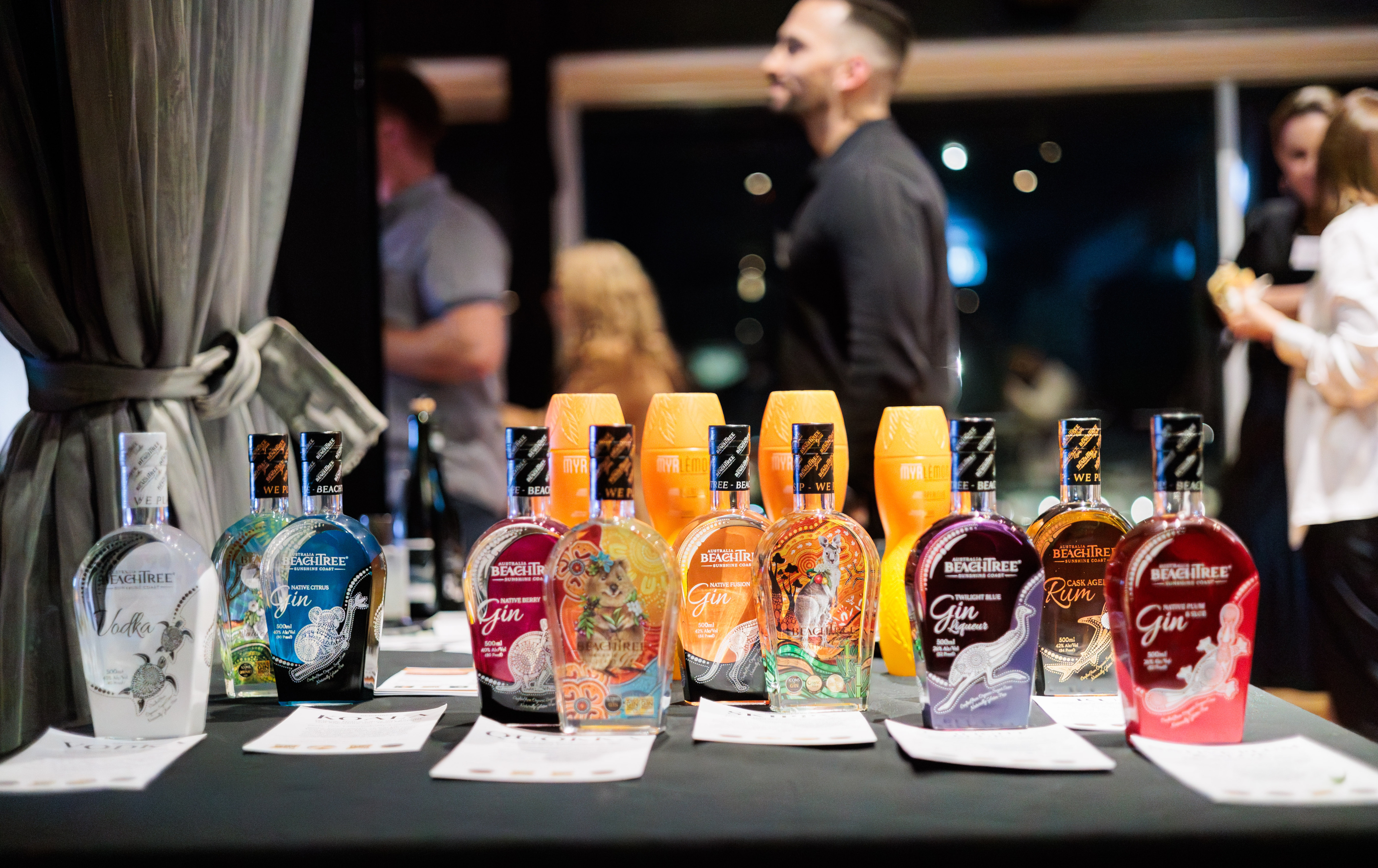
Beachtree Distilling Co, led by Bundjalung woman Kirra Daley and Kamilaroi master distiller Steve Grace from Caloundra on Gubbi Gubbi/Kabi Kabi Country, was named World's Best Craft Producer at the World Gin Icon Awards in both 2024 and 2025.
"Every bottle we craft tells a story of the land, our culture, and our dedication to blending tradition with science," Ms Daley told the Indigenous Business Review.
Mt Yengo Wines sells more than 5,000 cases a year and exports to more than ten American states. The label was founded partly to challenge the stereotype linking Indigenous people and alcohol misuse.
"We want not only Australia, we want the world to walk with us," said co-owner, Palawa artist Wayne Quilliam, who measures success in continents.
Mr Bidja Wines pairs First Nations winemaker Craig Cromelin and Wiradjuri co-owner James Stephens with the century-old Rutherglen house Buller Wines.They are part of a national roll call that is growing every year.
In wine, Munda Wines, founded by Wirangu and Kokatha man Paul Vandenbergh, became South Australia's first Aboriginal-owned wine label and won the First Nations Exporter award at the 2025 Australian Export Awards.
In spirits, former AFL star and Larrakia man Daniel Motlop's Seven Seasons has taken Green Ant Gin to national distribution, and Wiradjuri man Mitch Lowrie's Dharawal Distilling Co is crafting gin and vodka from botanicals foraged on Dharawal Country in the Illawarra.
In beer, Jarrah Boy, wholly Indigenous owned by Monero Ngarigo man Dale Vocale and co-owner Isaac Harrison, brews all-Australian lagers with native yams and jarrah honey stocked through Dan Murphy's and BWS. First Hand Beer has put its Outback Lager on national shelves, and Supply Nation-certified wholesaler Indibrew helps corporate buyers bring Indigenous beverages into their procurement.
From launch night to shelves and taps
Coles is already backing the producers with shelf space. Its Liquorland stores stock Mt Yengo, Bidja and Seven Seasons.
Dan Murphy's, owned by Endeavour Group, stocks Seven Seasons, Beachtree, Jarrah Boy and First Hand.
Australian Venue Co put its own venue behind the launch.
Lion, Asahi and Suntory Oceania bring the production scale and distribution muscle that can take a craft producer national. The network formalises what the best of these partnerships have already shown, that shared learning and collective action move faster than any company working alone.
"When enough organisations come together, like this industry RING, and decide that recognition, inclusion and respect for First Nations people is a priority, we create change," Ms Janke said.
"We change the conversation. We change the industry, which in turn changes the nation."
—------------------------------
The First Nations drinks list
Majority Indigenous-owned drinks businesses featured in this story, and where to find them.
Beachtree Distilling Co | Caloundra, Qld
Certified organic gin, vodka, rum and whisky from Bundjalung woman Kirra Daley and Kamilaroi master distiller Steve Grace. World's Best Craft Producer at the World Gin Icon Awards, 2024 and 2025. beachtree.com.au
Mt Yengo Wines | Hunter Valley, NSW
Australia's first majority First Nations-owned wine brand, with artwork by Palawa artist and co-owner Wayne Quilliam on every label. Stocked through Liquorland and exported to the United States. mtyengowines.com.au
Munda Wines | South Australia
Founded and owned by Wirangu and Kokatha man Paul Vandenbergh. South Australia's first Aboriginal-owned wine label and winner of the First Nations Exporter award at the 2025 Australian Export Awards. mundawines.com.au
Bidja Wines | Rutherglen, Vic
Majority Aboriginal-owned label chaired by First Nations winemaker Craig Cromelin, produces seven varietals plus finger lime and rosella spritzes in partnership with the century-old Buller Wines. bidjawines.com.au
Seven Seasons | Darwin, NT
Green Ant Gin, Bush Apple Gin and Native Yam Vodka from former AFL star and Larrakia man Daniel Motlop, with botanicals harvested by Indigenous communities under traditional-owner permits. seven-seasons.com.au
Dharawal Distilling Co | Bellambi, NSW
Gin and vodka built on botanicals foraged on Dharawal Country by founder and Wiradjuri man Mitch Lowrie. Poured in around 30 venues across Sydney and the Illawarra. dharawal.co
Jarrah Boy | Victoria and Queensland
Wholly Indigenous-owned lagers brewed with native yams and jarrah honey, founded by Monero Ngarigo man Dale Vocale. Stocked through Dan Murphy's and BWS. jarrahboy.com
First Hand Beer | Sydney, NSW
Outback Lager in cans carrying the artwork of Indigenous co-founder Mark Lake-Kilpatrick. Stocked nationally through Dan Murphy's. firsthandbeer.com.au
Indibrew | Wollongong, NSW
Supply Nation-certified wholesaler founded by Yadhiagana and Wuthathi man Joe Procter, supplying wine, spirits and its own IndiBrew Beer to corporate and government buyers. indibrew.com.au



