


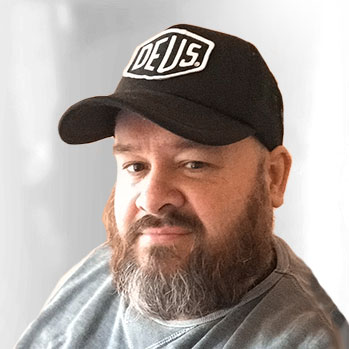

Shaun Thomas worked hard as an undersized fighter, punching above his proverbial weight, and as an amateur coach the 43-year-old is standing tall among the giants of Australian boxing.
The Palawa-Arrernte man keeps ticking off Aboriginal boxing firsts so far overseeing some of the leading Victorian pugilists.
Thomas was only appointed in 2023 – not long after entering his professional semi-retirement – as one of the state's junior trainers for the Australian Schools Boxing Championship.
But the success on the other side of the ropes has grown fast, promoted last year to coaching Victoria's elite squad of boxing amateurs.
He previously guided the junior fighters to a record 19-gold haul in Adelaide to earn a promotion to open-age division of coaching.
"It is a pretty big deal," Thomas told National Indigenous Times about mentoring the top contenders among potential Olympians ahead of the 2028 LA Games.
"I spoke to some of veterans of Boxing Victoria, and they've just said, 'Look, you're definitely the first Aboriginal boxing coach in the state at this elite level'.
"That also speaks for (Aboriginal) Tasmania as well, and for Cape Barren Island.
"I'm not from here (Naarm), but I have been here for a long time now, and I have spent a lot of years in boxing with the Koori mob."
Thomas has been instrumental in ensuring Victoria remains the current national champions and will be out to defend their titles come November in Magandjin/Brisbane.
Moulding boxers into the colour of gold, he attributes his home gym, Bones Boxing, under the tutelage of seasoned campaigner, Luke Bones, while Thomas mentors top fighters between holding down a full-time job in local government as a First Nations officer.
The two state trainers from the Niddie gym facility in Naarm/Melbourne's outer north-western suburbs also have a stranglehold of eight combined males and females in the Victorian squad following their thankless, unpaid work for Boxing Victoria.
"I'm proud to say we had the most boxers out of one gym to make the Victorian squads in the elites," Thomas said.
"I don't want to be bragging too much, but we did well – we've got a great community in that gym, as we have a lot of females there as well.
"Luke's also one of the national coaches, which makes it even harder for me to get on board, as they don't always take two coaches from the one gym."
Thomas rates his work with Olympic-bound Julie Ramadan to claim back-to-back national gold medals in consecutive, first in the juniors ranks and then in the elites as fundamentally one of his greatest achievements.
That was enough to earn another Aboriginal first to coach at the world selections in May of this year, as Ramadan was fighting off champions on the international stage at the AIS in Canberra.
"I didn't put myself in that category of coaching expertise and experience, and all that stuff like that," Thomas said.
"For me to get an opportunity like that, you're in there with people like Marcos Amado, who was one of our Olympic coaches (in 2024 at Paris).
"Sam Brizzi, one of the Brizzi brothers, has also coached fighters all over the world.
"You're fitting in with coaches that have done that work for 10-20 years. To be able to get selected with that calibre of people, that pool of coaches, was awesome. I would call it a personal achievement."
Thomas is setting new precedents for First Nations boxing coaching while also noted for promoting far greater cultural diversity and inclusion in the gym.
"The head coach, the boss of Boxing Victoria, gave me the call up and said it was based on who you are as a coach, what you've done and how you've built relationships, and that you're a team player, based on your experience," Thomas said.
Thomas has also brought on emerging Wiradjuri boxer Hugh Sinnadura into the junior squad for the nationals that fills the coach with pride.
"I had him over the last four years from my Power Gym days when he was 14 or 15," he said.
Thomas, who came close to the Olympics as a fighter, now has his sights set on the top as a coach.c
"Now I want to be the best coaches in the country – I think I can be one of the best," he said.
"That was my goal because I know you can have experience, you can have as many fights as you want, you can get in there and get your head bashed in and all that sort of stuff, but there are not a lot of coaches out there that have that boxing intelligence, basically.
"I think I have great eyes, great awareness and great communication skills.
"Going into the coaching gig, as healthy, has helped me a lot, but also going in as a coach, I felt like I could get back into training kind of thing when it came to being able to most importantly show how you translate that back to your fighter during some real intense moments, through moments when your fighters down."



