


A Tasmanian Aboriginal Elder has supported suggestions for Aboriginal recognition in Hobart's Franklin Square following last month's toppling of the William Crowther statue.
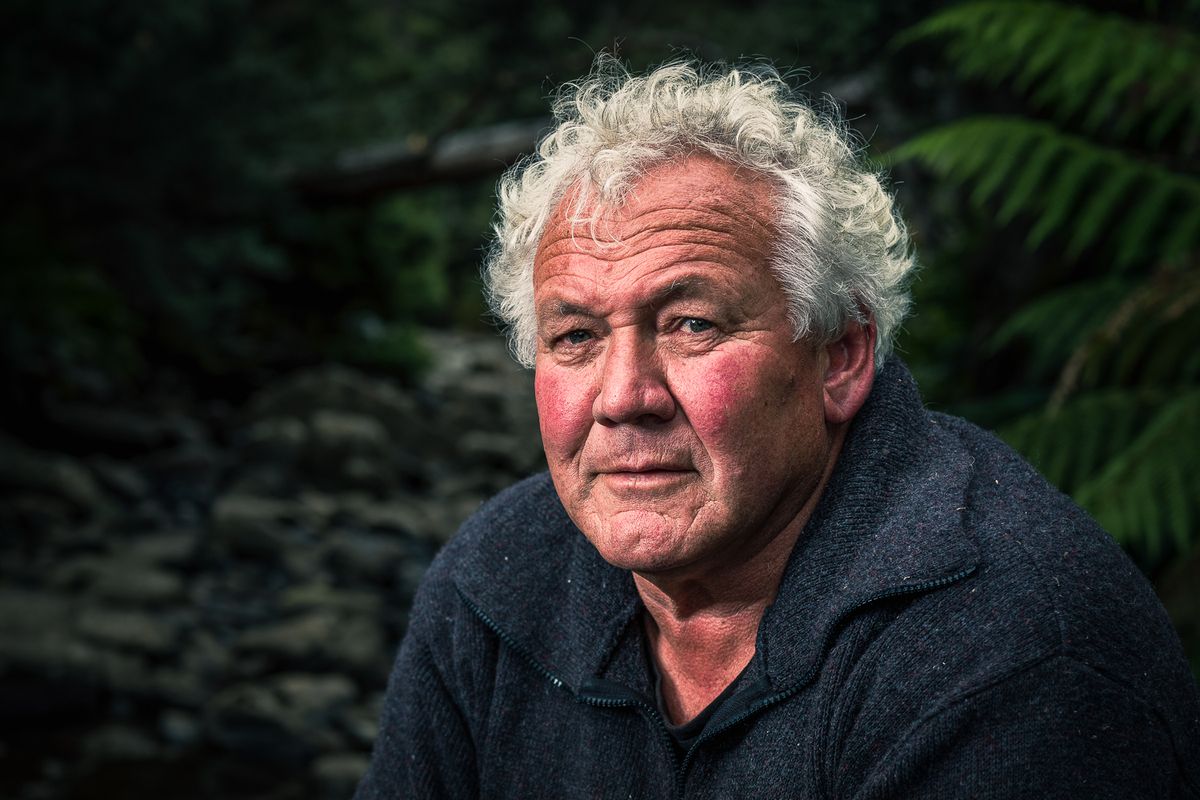
Uncle Rodney Dillon, who chairs the Tasmanian Government's Aboriginal Advisory group - a body tasked with designing a process for truth-telling and Treaty in the state - said he supported Hobart Lord Mayor Anna Reynolds and Professor Greg Lehman's perspective of recognising Tasmanian Aboriginal peoples in Franking Square.
"That's a fairly constructive move to be recognised," Mr Dillon told National Indigenous Times.
"And recognised as the first people, and recognise the history so we can understand and go ahead (and) be able to work together, because we don't seem to be able to do that very well."
Mr Dillon said whether the recognition occurred through a statue, mural or history walk, it needed to recognise Aboriginal people from the local area and their true experiences of colonisation.
"(It) needs to be someone that was from that area and recognise the true people," the Palawa Elder said.
"Represent the people that were from there, talk about the people that they killed and murdered from that area.
"I'm not against whoever it is, but as long as it keeps true representation of the history, the brutal history."
Although in support of public recognition of Tasmanian Aboriginal people in Franklin Square, Mr Dillon said monuments or similar gestures will only be one part of the state's reconciliation journey.
"Until they can reconcile the genocide that they've done, statues and that, they're going to play a bit of a role, but certainly not how they murdered our people," he said.
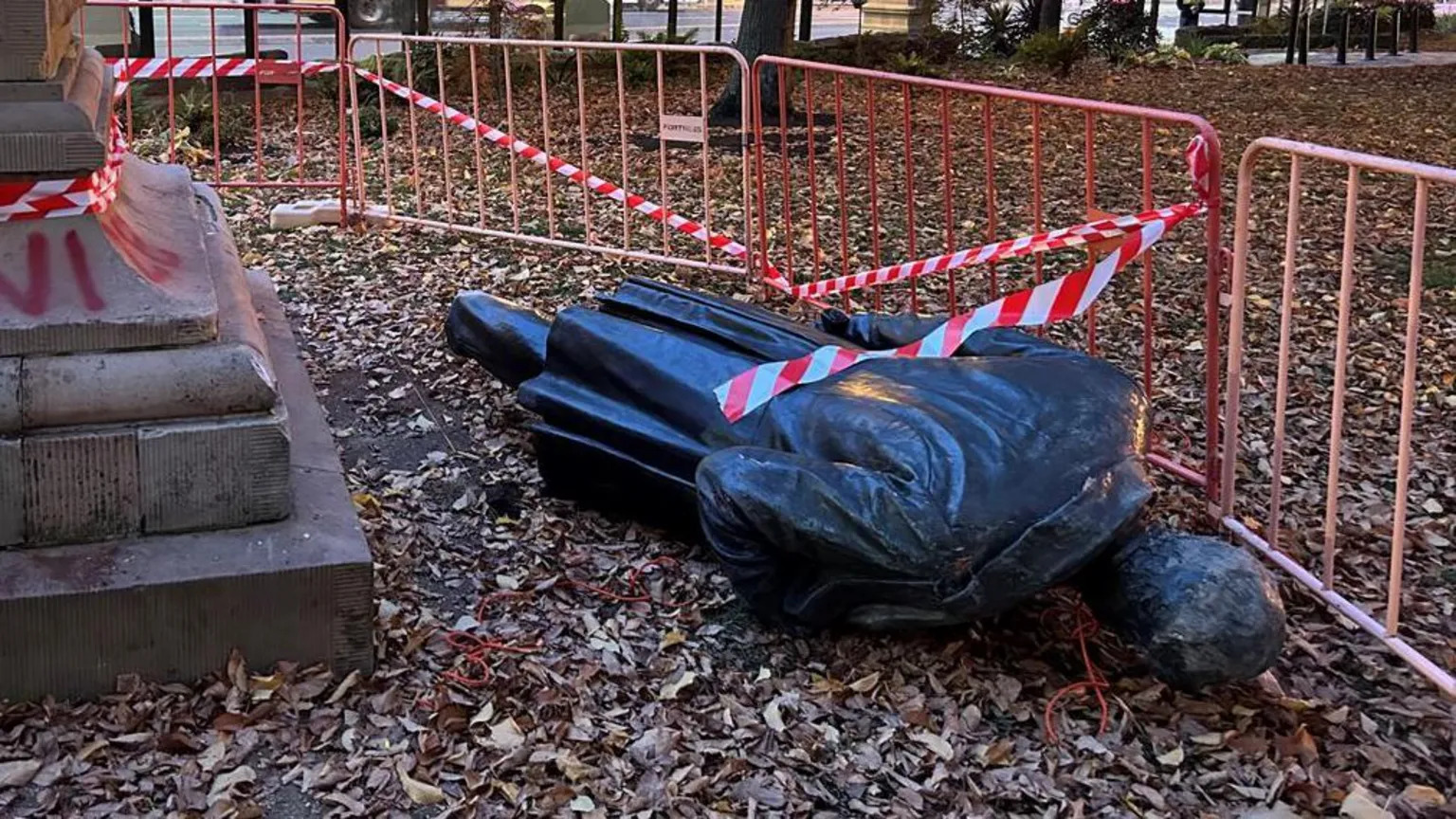
Hobart Lord Mayor Anna Reynolds and historian and pro vice-chancellor, Aboriginal leadership at the University of Tasmania, Professor Greg Lehman said it was time to look forward following the demise of the William Crowther statue.
They said a "contemporary public artwork" is planned for the area, aiming to provide "an inclusive, honest and progressive portrayal" of the state's past and associated historical figures, while suggesting prominent Tasmanian Aboriginal people could also be publicly recognised.
"Another approach might consider the contributions made by Tasmanian Aboriginal people," they told The Mercury.
"Manalargenna, Trucanini, Tongerlongeter, Fanny Cochrane Smith and Aunty Ida West are yet to be honoured by any public memorial. Perhaps Franklin Square is the place to remedy this?"
The pair said the process of transforming relationships with a challenging colonial past must continue in Tasmania.
"Cities like Hobart mature over time, as do their public facilities, infrastructure, buildings, public art and places," they said.
"Our faith in the inspirational power of truth-telling and creative arts has served us well so far, as we continue to work towards a more just and inclusive future."



