




An Indigenous-led cultural burning research program will be expanded across parts of New South Wales and the ACT.
First Nations communities, the Australian National University and the NSW Government's Local Land Services will work together on the major project.
The program, 'The re-emergence of First Nations burning in contemporary grassy woodlands', will use cultural burning practices on private land, public land and travelling stock reserves.
The work will take place on Ngunnawal Country and Wiradjuri Country in central and south-east NSW, the ACT, and over the next four years 36 burns will be carried out across the Central Tablelands, Riverina and South East Local Land Services regions.
The first burns are already underway in Tumut and Yass.
The project is being supported by an Australian Research Council Linkage Program grant, while local Aboriginal Land Councils, the NSW Rural Fire Service, the ACT Government, ANU and CSIRO ecologists will all be involved in the work.
The expanded program follows a two-year pilot project in the Riverina and South East, where cultural burns were carried out and monitored in critically endangered box-gum grassy woodlands on travelling stock reserves in Wagga Wagga, Young and Yass.
Cultural burns are cool, slow and controlled, and they move gently through the landscape, giving native animals time to move away from the fire. They can also help plants grow, including food and medicinal plants that are culturally important.
According to the ANU and NSW Local Land Services, results from the pilot showed a strong response from native plants.
Many native species, including native peas, germinated after the burn, with stronger results than in areas that were not burned.
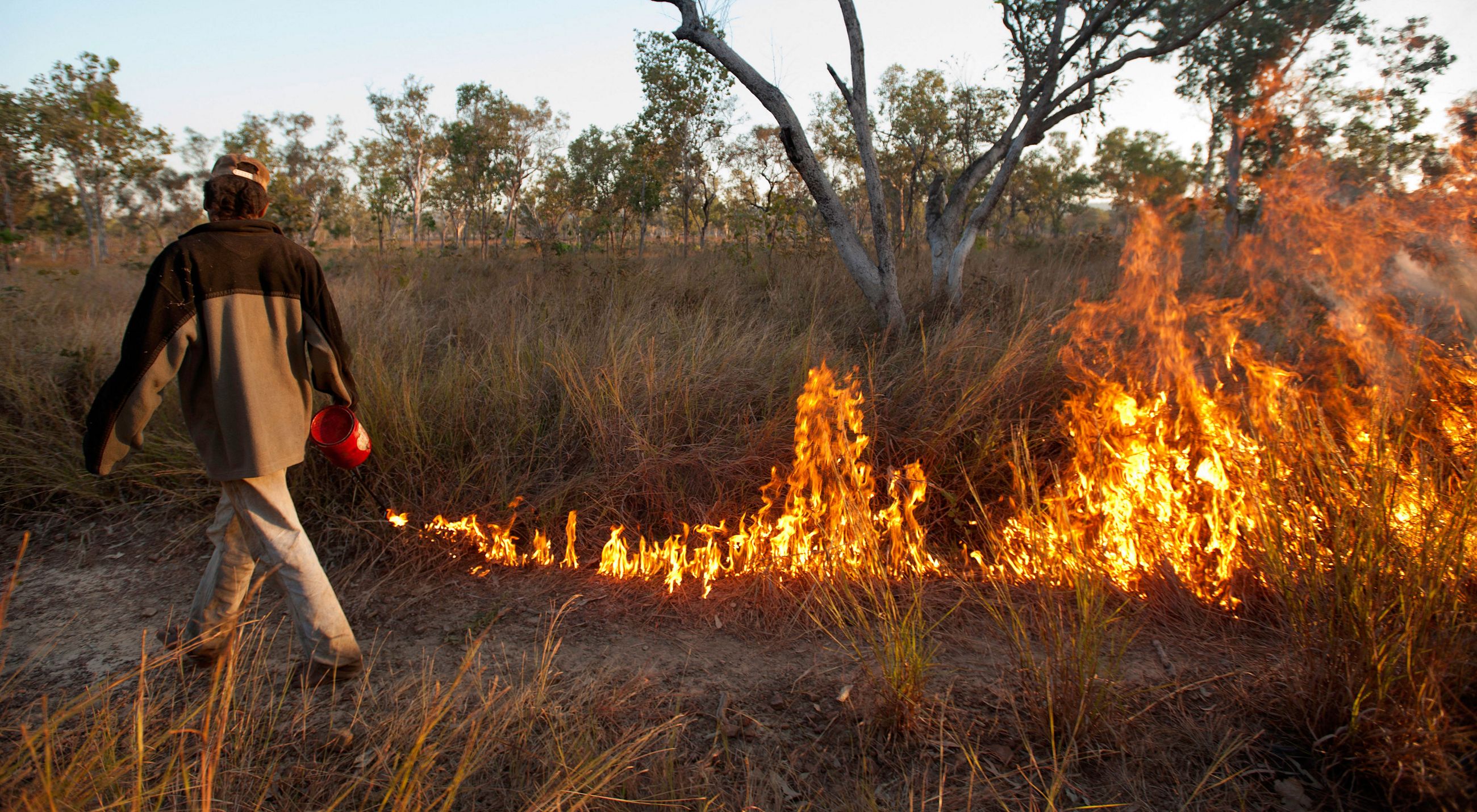
Senior Riverina Local Land Services officer and Wiradjuri man Dean Freeman led the burns on Wiradjuri Country and said the early results had been encouraging.
"We're learning what part of the fire triggers regeneration - is it the heat, the smoke or the steam? I've been doing this for 25 years and it's very satisfying to see," Freeman said.
Freeman said the project was also looking at how traditional practices could be included in modern land management to improve the health of Country and reduce bushfire risk.
"Australia is a fire-prone country (so) there's a place for all types of land management techniques in caring for Country," he said.
"We're using these ancient techniques in a modern society and working together to find the best approach."
Researchers will continue to monitor the pilot sites in the Riverina and South East while the larger project is rolled out.
ANU Research Fellow Dr Elle Bowd said the project was important because this level of data had not been collected at this scale before.
"The pilot made good inroads, but now we have more time and more resources to dedicate to this important, landscape-scale research into traditional land management tools," Dr Bowd said.
"We're also investing in building community capacity and strengthening the interface between traditional and Western land management principles by partnering with the community to achieve outcomes for and by them, as well as for western science and management."



