


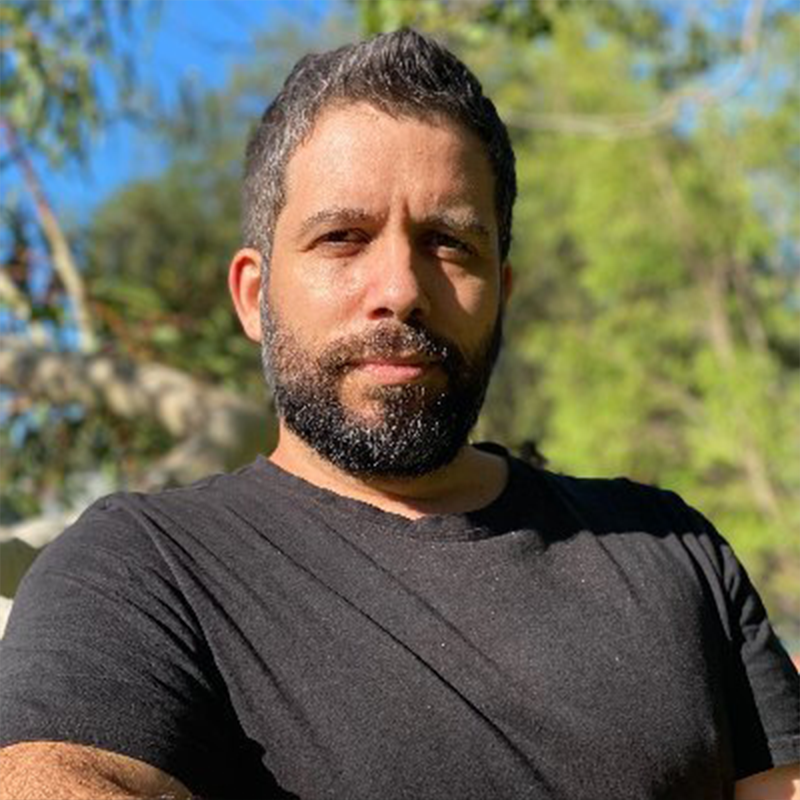

Whadjuk Noongar advocate Lorraine Pryor is working to help Indigenous women rebuild their lives after the impact of incarceration, substance abuse, domestic violence and intergenerational trauma.
Her Boorloo-based volunteer organisation Voice Of Hope is an Aboriginal women-led not for profit group which works with Aboriginal women leaving prison, and, when possible, prior to serving time.
"You know the challenges with substance abuse, domestic violence, intergenerational trauma, all the struggles and the challenges Aboriginal people have in society, we try and help advocate, mentor and support them, especially through connecting back to culture, because a lot of them have lost identities and have low self-esteem," she told National Indigenous Times.
"Every Monday we have workshops we do for women, and we facilitate these workshops with services which have to be Aboriginal-led services, or Aboriginal businesses.
"It could be to help with accommodation, anything to do with connecting to culture - whether it be wreath making, making wreaths, donating them to families. It's also very therapeutic for our women.
"We get around a table, we yarn, we have morning tea, we have lunch. And the conversations can lead to anywhere at the end of the day, but everybody leaves with their cup full."
Ms Pryor said some women are initially unsure if it's the right place for them at the beginning, but by the end know they've found a supportive space.
"A lot of them come in and they're umming and ahhing, whether to come in, but a lot of them say, 'I'm glad I came in today, because I feel a whole lot better now, because I've lifted something off my shoulders to make me move forward in life'."
Voice Of Hope also puts together bags of vital supplies and helpful information for Aboriginal women leaving prison to help them get back on track.
"I have contact with the prison, and they will email me to let me know when, when a lady's coming out, they'll give me their sizes, and we will go and hustle around for donations for clothing, toiletries, if we can get mobile phones, vouchers, service networks that are out in community. And we'll put these in a bag… and we'll have that bag waiting for that lady for when they get out."
Ms Pryor said relatively simple things can make a big difference to how someone re-starts their life after prison.
"But, I've seen a lot of gaps in the system for our women. Going through the mainstream services myself, a lot of the people who were advocates in these services didn't understand us Aboriginal women, and they couldn't have that connection with us, or they couldn't even empathise with what we were going through," she said.
"I was incarcerated myself. From 2003 to 2010 I was in that revolving door for seven years. It wasn't until 2008 I got 18 months, nine months to do on parole. I got knocked back for my parole, and that was a time that really made me think about my life on the outside. It made me think about my children that were out on the outside. You know, my mother had taken on the responsibility of bringing my children up, because I was always under the influence of drugs. Before I was incarcerated, I was involved in criminal activities, and also in very bad relationships."
After leaving prison for the final time, Ms Pryor started to work to help other women break the cycle of trauma, abuse, incarceration and re-offending.
"I started off being a motivational speaker in the community about a lot of the issues that our people are facing, and I tried to be that voice for our women in the community. I spoke up about, the cycles of the domestic violence that was in in our community with seeing it as normal for a lot of our people, being exposed to it in from a young age, growing up in that environment and realising that it wasn't normal, that we needed to teach our younger girls about healthy relationships," she said.
Ms Pryor got a job with BHP and continued to advocate for Indigenous women.
"I wanted to advocate more in this space for our women, because a lot of our women were dying. And you know, it's better to talk out and speak out and try and get the support you can. But we need to do it with our Aboriginal women. We need to reach out. We need to have something that's in place for our women, because we get it, we understand what they're going through, and I'd rather listen to someone's story than read someone's eulogy," she said.
"Whilst being incarcerated, I kept seeing the same women coming in and out, in and out, and it was very heartbreaking, because we were going out sometimes worse than when we went in, because we weren't getting the support that we needed in the prison system. We weren't getting rehabilitated.
"No one spoke about Stolen Generations or intergenerational trauma when I was incarcerated, so I had to educate myself in that space when I got out, and understand about my mother's history and my grandmother's history. It wasn't until then I realised that I was carrying trauma that I didn't know anything about, and that's where I would medicate that with methamphetamines.
"When I got out in 2010, I really wanted to prove to my children, prove to myself, that I was going to break the system of being under the system, if you understand. I started to get a lot of women wanting to reach out to me and ask me, 'how are you doing it? how are you keeping on that right path?' and all this sort of stuff. I thought, 'I need to do more in the community for our women'."
This sparked the establishment of Voice Of Hope in 2022.
"We got registered as an Aboriginal corporation, and we were lucky to get a space in the city, because we don't get funding and we don't get paid for what we do. I've got a lot of amazing and deadly women that are directors on my board, and Elders advisory that support us and keep us going in this space to help our women," she said.
"We have about 20 to 30 women come every Monday to our groups, and it's really a culturally safe space for them, and they feel there's a purpose for them. They feel a belonging. They feel understood. And while we're there, we're advocating for them. We're doing referrals to refuges; we're doing support letters for court. We're contacting accommodation places. We're helping them with employment. It's like the one stop shop with what we're doing for our women and potentially I want to be in this space full time because this is my passion. This is where the fire burns in my belly, for my women.
"Once our women are stronger, they can give that ripple effect down to their children… of being able to see what mum's doing… like my kids see me now work. I worked my butt off, I have got two jobs because I want to create something bigger for our women, so that we can break all the cycles that have been thrown at us. I want to create change in this world for our women, our children and the men - our men need supporting as well."
Voice Of Hope met with WA Police representatives on Thursday to discuss restorative justice and better approaches to rehabilitation.
"We need to be at the table for these conversations, but the government needs to listen to us and needs to act on what we say, because the gap is just getting too big. We ain't closing it in any sort of way form or shape," Mr Pryor told National Indigenous Times.
"I was at court this morning helping one of my clients with the Department of Communities… and she only feels safe with me. I've got to get up in the morning to go and support her, then go home now and have a sleep and go to my paid job tonight, but I'm not going to let it stop me. I'll get there one day where I'm going to be in this full time. I've applied to do my master of Indigenous business leadership this year, and I'm just hoping that I get through because I want to gain the skills and the knowledge to be that business woman, and be able to challenge the community so they are listening, we can create these changes that we need for our people. Because it's been going on for too long now, and I think it's our generation that's going to be the generation to make that change."
Ms Pryor hopes Voice Of Hope will soon be able to establish a transitional accommodation centre that helps women coming out of prison to avoid homelessness or unsafe home environments and supports them in getting a good start to life back on the outside.
"My future vision for Voice Of Hope, will be to have accommodation where we pick our sisters up from prison, bring them back to where we have our accommodation, and we provide the services, the healing that they need before they go back to community, because they are coming out of prison, still broken, you know, and it's not right, because we know they're going to go back in," she said.
"For us to make a change, it's up to us to stand up and put these things in place to help our women move on from that."



