


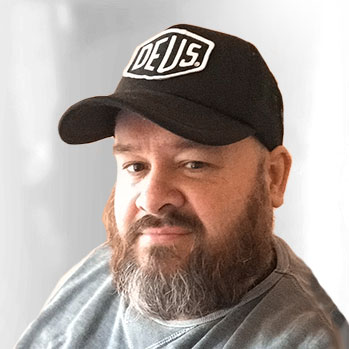

Smoke rises above the tree tops, drifting across Port Stephens and spreading throughout the greater Hunter region above the Awabakal and Worimi lands.
The slow crackle of the wood at Mallabula is almost calming to the ears of wise heads reviving the mastery of the cultural burn.
The crisp sound delivers assurances to Firesticks lead fire practitioner Victor Steffensen that this part of the bush is under control ahead of another fire season.
Speaking about the Firesticks Indigenous Fire and Land management mentorship program, he cracks a stick between his hands with the confidence of a bushie who knows the land. Even when it is not always the Tagalaka man's own Country.
Steffensen takes Indigenous parties out onto Country to share the knowledge of managing the land in a series of burns across the nation before the heat of the summer scorches like a tinderbox waiting to happen.
But the offseason burns have another purpose other than purpose of taking responsibility for their own land belonging to their cultural past.
"Our mentorship program is really important because it's about getting our Communities out to mentor each other," Steffensen explains.
"That's a really important part of this program to get Communities to work together because the whole point is to restore that knowledge base in the regions so they're all understanding together.
"They all have the confidence of managing their land stronger and that they're all supporting each other with the learning and the training from generation to generation."
Steffensen says mentoring programs are held on Traditional lands for Elders of the future.
The training is especially put together for First Nations mobs to best benefit their Country.
The 'Cool' Burning is a Traditional land management practice that has been used for more than 60,000 years to reduce fire hazards, encourage new growth of culturally significant species, and to protect native wildlife living on Country.
"When we're training Aboriginal people in our own Country, we know those people are not going to leave that Country," he says.
The Firesticks alliance co-founder lives an existence with the spirit of the late Dr George Musgrave, an Elder of the Kuku Thaypan clan and, importantly in this context, a renowned bush tracker.
As legend goes, his senses were so sharp he could follow a week-old trail through dense scrub at night and identify tracks that were up to two months old.
But Musgrave was the figure who revived Indigenous fire practices three decades ago prior to his passing in 2005.
After the practice was all but outlawed by colonial authorities from a different era, Dr Musgrave diagnosed his Country on Cape York Peninsula was in dire need of fire.
Steffensen is now passing on the baton to the next lot of cohorts from the legacy that Musgrave left behind.
"What is important from an Indigenous sense is we're mentoring Community with Community so they are repairing the kinship system, getting people to work together and heal things that have been caused following Native title claims, the effects of capitalism, like one gaining everything and the other missing out," Steffenson contemplates.
"It is really about that shared level and shared model, where we have that responsibility in our own regions and that responsibility of a kinship to support each other as well.
"So that is important in repairing Aboriginal relationships, culture, kinship and structures."
Learning the art of the cultural burn has changed over the scarred lands of the past two and a half centuries as a result of British colonialism and more contemporary climate change, and the learning process is more attuned to completing a post-graduate uni education than just having good intentions from the heart.
"This training really goes on for a number of years to get these practitioners understanding all the ecosystems they just need to know, all the different health levels that need to be applied to that, which comes with a complexity of different timing, different techniques and different ways of applying fire today," Steffenson notes.
While a fire's flames appear to creep taller and taller among the untidy scrub, the probationary practitioners walk past Steffensen through the land.
Carrying the latest detection technology, including the use of apps on their mobile phones and tablets, which Musgrave could only dare imagine, they head deeper into an uninhabited bush to clear the way around some of the oldest gums in the Musgrave area that "hasn't had fire for many, many years".
One flicker of an ember to its base and the tree that pre-dates the British arrival could be lost forever.
"When you're looking at putting fire through a landscape that has not had a fire in a very long time, and that it's very unhealthy, people need to do walk through the line first," Steffensen says.
"Our people need to do more hard work so to prepare it for fire."
It's a long slog ahead for most learning in the Firesticks group.
They listen about the techniques of pre-emptive burning is not simply about one type of the practice.
It can be about the one fire for the right Country type at the right time of the year, so to tick all the boxes to benefit the land best.
"Sometimes you can burn the one place three times in the one year – all different sections of different vegetation and that is about getting the right temperatures into the soil and sparking the right type of vegetation," Steffensen said.
"We are trying to take away the flammability of the Country and bringing back the right type of plants for the right soil type that has an open landscape that is healthier, a more diverse landscape that has more food for the animals, but most importantly not so flammable as it's a ticking timebomb at the dry time of the year."
So putting away the drip torches, there is a growing understanding that a burning landscape the Indigenous way allows the fire to burn cooler and provide a better quality of smoke to breath.
That way native animals can get away easier and non-Indigenous vegetation in Australia will burn easier too.
"So this also demonstrates how important it is to have our Indigenous knowledge in burning landscapes and built-up areas," Steffensen adds.



