




80 per cent of children and young people in the Northern Territory surveyed have seen or experienced racism, a new report by the NT's Child Commissioner has found.
Released on Thursday, It's up to everyone to call it out spoke to 284 children and young people between the ages of eight and 19 across the Territory, with 31 per cent saying they had observed racism in their schooling environment.
A further 29 per cent said they had observed or experienced racism in public settings, including on the street.
Testimony from young people in a school environment included people using the "N word", teachers believing children suffered from ADHD due to their skin colour, and in one instance, a bus driver refusing to let Aboriginal children on despite them wearing primary school uniforms.
"Experiencing racism is not really nice," one young person said. "It's happened in class, outside the school office (by) friends and my classmates".
One child told the report: "2 white girls. They told me I don't belong here and go back to where I came from. Also said I can't do things because I'm black. They also asked me how I'm black if my mum is white and that I'm faking to be black."
Another noted: "School cares more about appearance than racism and bullying…they let it (racism) slide and just say 'don't do it again.'"
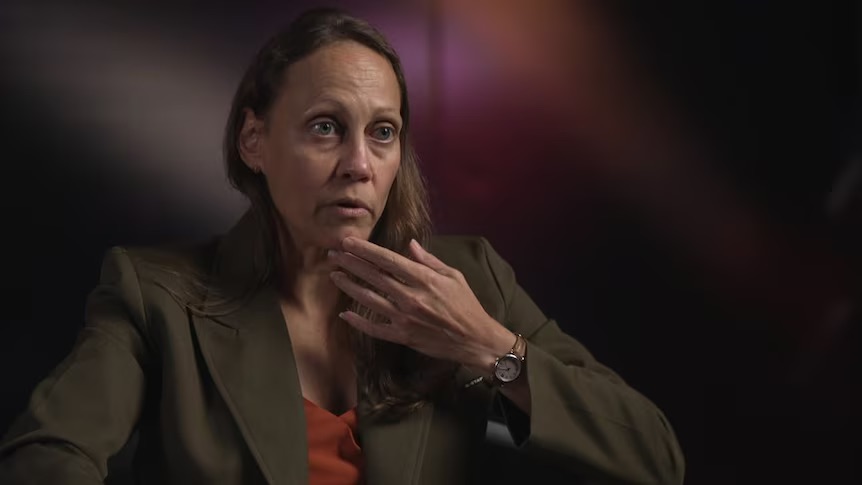
Territory's Child Commissioner, Larrakia woman and former Crown Prosecutor and defence lawyer Shahleena Musk, told National Indigenous Times the evidence from young respondents was the racist comments from other young people were being learnt from adults in their life.
"Whether or not it's racialised stereotypes, or in some cases, it could be quite overt racism, these are things that they're picking up from adults in their lives," she said.
"This is learned behaviour, and that's the sort of thing we need to be tackling. These children need to know that singling out people based on their race, the colour of their skin, how they dress, maybe even religious practices, that's unlawful. That's discrimination. And that's racism."
Commissioner Musk noted the number of young people didn't go into secondary school, didn't engage as much in public settings and who withdrew from social activities due to their experiences of racism.
"Children start to withdraw from these public spaces," she said.
"The hard thing is they can't be what you can't see.
"You can't see yourself as being a lawyer or a doctor further down the track, because you're being told that you're no good, you're not worthy, and [in some cases] that you're a criminal."
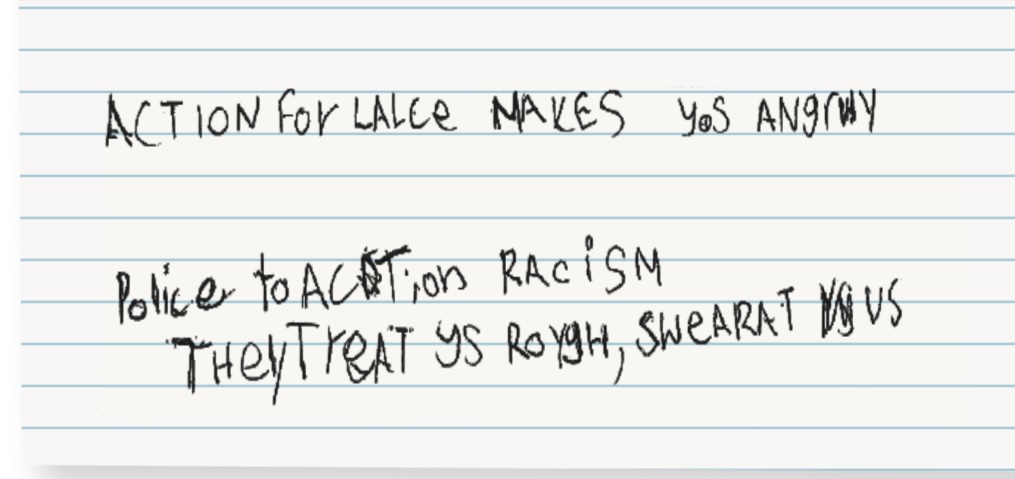
Social media was also identified as a frequent area of racism. Children and young people who participated in group consultations in Alice Springs identified social media pages as negatively affecting their feelings of safety in their own community.
One Facebook page - Action for Alice - has been regularly reported in the media as a sounding board for grievances in the local community.
National Indigenous Times has seen racist comments published on the page - which the report notes are "unmoderated and includes racially targeted and derogatory comments" - and young people said it was a source of racist and harmful comments towards Aboriginal children, young people and community members.
"Young people identified that they believe this page and the broader narrative in Alice Springs about Aboriginal children has led to increased policing and over surveillance both by police officers and security officers," the report said.
One respondent to the report said the page has "people piling on with racist comments", with other's explaining it had led to their engagement in anti-social behaviour due to being made to feel "unwelcome" and as if they "don't belong in the community".
Another respondent stated: "Action for Alice is racist and terrible. They make it seem like Alice is unsafe."
"Sadly, derogatory comments…these negative aspersions of children, are constantly being thrown back at them [young people]," Commissioner Musk said of the Action for Alice page.
"Someone could share it [a comment], and it goes on and on and on…there's 1000s of these comments going up there about stereotypes, or reinforcing stereotypes, and assumptions being made."

The report also noted the use of "casual racism," defined by the Australian Human Rights Commission as a form of racism "involving negative stereotypes or prejudices about people on the basis of race, colour or ethnicity".
"While targeted and deliberate acts of racism were more strongly identified during consultations, young people explained that microaggressions and the use of 'casual racism' is still pervasive and is observed in a range of different settings," the report said.
One respondent told the report "(Casual racism) gets normalised," whilst another said a significant issue was people "Spreading misinformation and jokes about you and your culture."
The report recommended better education and awareness raising initiatives were pivotal in combating racism, which the report said was everyone's responsibility.
It also said the "negative, intimidating and discriminatory community narratives about children and young people" needed to change, and systemic whole of Government reform that listens to the voices of children and young people with lived experience is urgently required.
"Young people must not carry the responsibility of addressing racism on their own. We all have a duty to prevent racism," Commissioner Musk said.
"We must listen, we must act, and we must work together to call racism out and stamp it out. Racism is harmful and children and young people's experiences must be taken seriously."



