


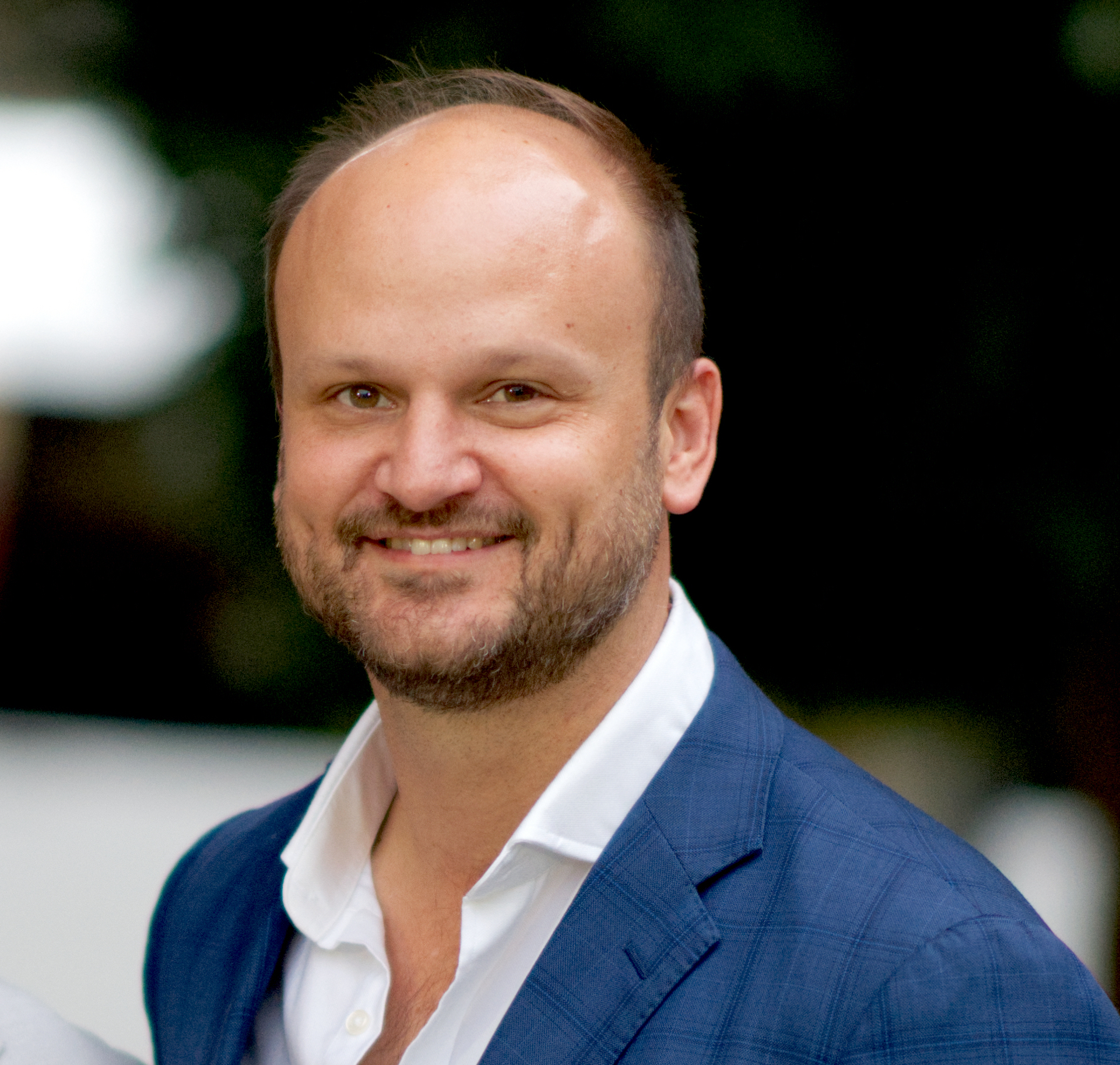

Northern Territory Labor MLA Chansey Paech has warned parliament that a poorly implemented voluntary assisted dying regime could stop Aboriginal people in remote communities walking through the door of their own health clinic.
Key points:
- Chansey Paech to abstain from Voluntary Assisted Dying vote
- MP says a botched rollout could stop people walking into their local health clinics
"My concern is very real, if this is not managed properly, fear and misinformation could discourage people from attending their local clinic because they believe it is a place where people go to die," the Member for Gwoja told the Legislative Assembly on Tuesday. "That would be an incredibly damaging and dangerous unintended consequence."
Mr Paech used his speech on the Rights of the Terminally Ill Bill to confirm he will abstain when the conscience vote is called, a position he first signalled last year.
"My decision not to vote for or against this Bill is not an absence of a position. It is my position," he said. "It reflects the complexity of the people and communities I represent."
Gwoja is the largest electorate in the Assembly, taking in some of the most remote communities in the country across multiple language groups.
Mr Paech said his constituents "have not spoken to me with one voice on this question".
"And I will not pretend that they have," he added. "I will not manufacture certainty where certainty does not exist."
He told the Chamber he personally believes in choice and understands why someone facing intolerable suffering would want control over the circumstances of their death: "But I was not elected to come into this Chamber and simply vote according to what suits Chansey Paech."
The MP said he remained concerned that consultation "did not reach every remote community through an official government agency or parliamentary committee" and that information "was not universally available in first languages".
"It matters because informed consent begins long before somebody enters a doctor's room. It begins with people understanding the law that this Parliament is making. And I have seen nothing to convince me that understanding is widespread in Gwoja."
"For something this profound, consultation must be more than a meeting. It must be more than a visit. And it must be more than ticking a box and saying that remote communities were consulted."
People needed interpreters, information in first language, and time to sit with family, elders, cultural authorities and health professionals, he said. They also needed "the opportunity to say no. Or yes. Or, importantly, 'I am not sure yet'".
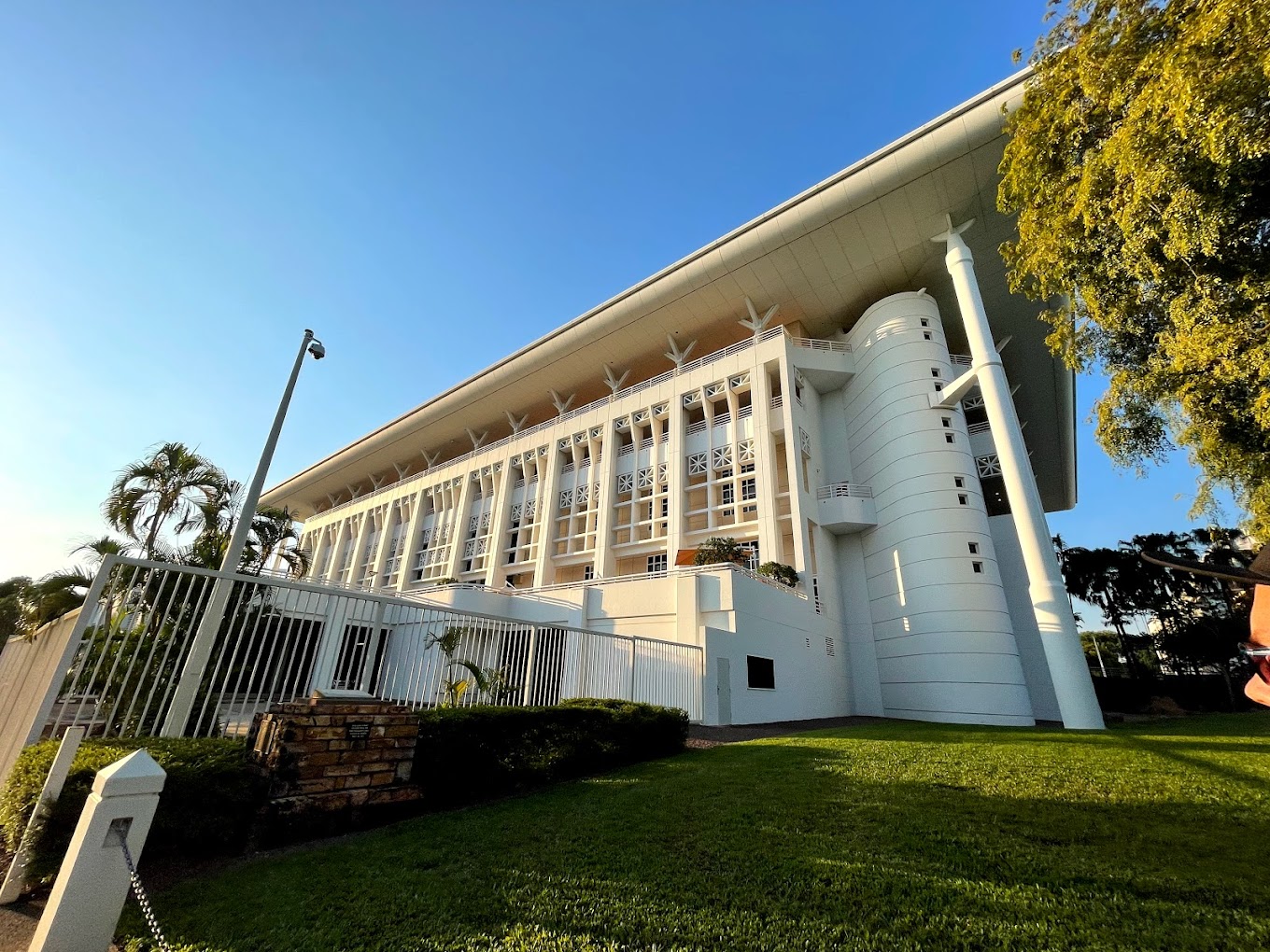
Mr Paech cautioned MLAs against broad claims about Aboriginal views on the bill.
"Aboriginal people are not one homogenous group. There is no single Aboriginal position on this issue," he said, describing constituents who strongly support VAD, those who would never choose it but back the right of others, and those who cannot reconcile it with cultural and spiritual belief. Each group's voice, he said, was valid.
"Those beliefs are not primitive. They are not less sophisticated. And they should never be dismissed because they do not fit neatly within a Western medical or legal framework."
He pointed to four decades of work building Aboriginal community control of health services. "We cannot allow poorly implemented voluntary assisted dying laws to undermine that work."
Mr Paech said that if VAD is delivered through remote clinics, government must fund cultural supports so ceremonies can be held at bush clinics to cleanse and free the spirit.
He also tied the debate to what the Territory offers people at the end of life. "Choice is only meaningful when there are genuine choices available," he said, warning nobody should choose VAD because palliative care is unavailable where they live, or because they are hundreds of kilometres from family. "That is not real choice."
The bill, introduced by Attorney-General Marie-Clare Boothby, has the numbers to pass, with amendments over the so-called gag clause on doctors and the 12-month prognosis requirement set to be fought out this week. The Territory is the last Australian jurisdiction without voluntary assisted dying laws in force.
Mr Paech told the Chamber his responsibility would not end when the votes are counted, committing to keep pushing for palliative care, remote health services, interpreters and support for families.
"I believe deeply that wherever it can safely be achieved, people should have the opportunity to die at home. To die on Country. To have family around them. To hear their language. To feel the earth they belong to beneath them."



