


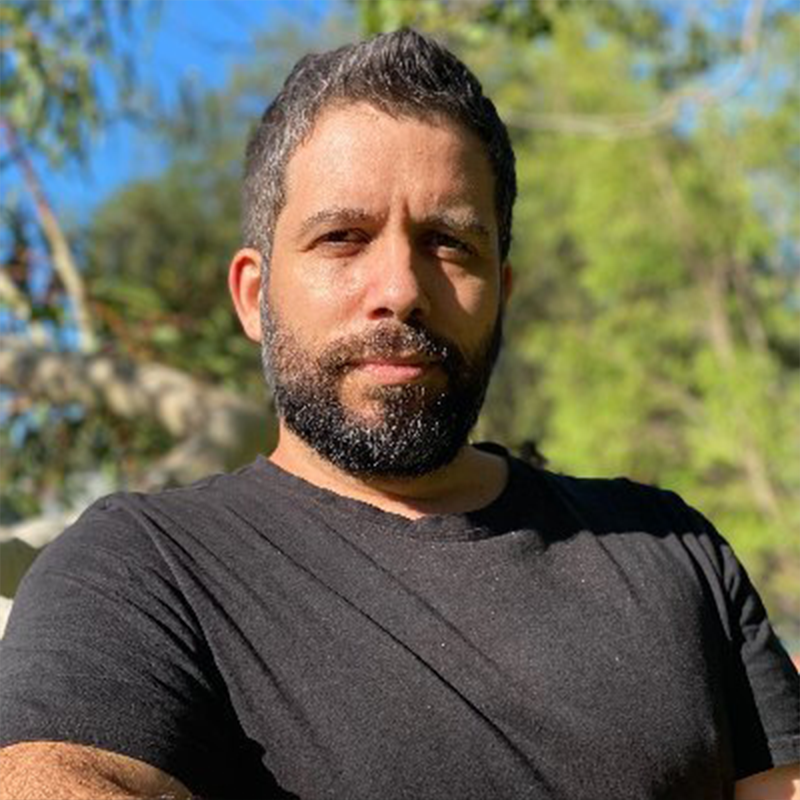

Bibbul Ngarma Aboriginal Association has sounded the alarm over what it called "the continued expansion of mining by Alcoa and others in the jarrah forests of Noongar Boodja and especially in the Mundaring Weir drinking water catchment".
The Association issued a statement noting "community and scientists alike have serious concerns" about Alcoa's activities that relate to drinking water, community health and "the irreplaceable loss of environmental, cultural and social values too numerous to list".
"Our forest is the only jarrah forest in the world. We have already lost over 50 per cent of it in less than 200 years, and the remainder is under enormous pressure from a drying climate, low rainfall, dieback and disease, polyphagous shot-hole borer, tree canopy death, increased bushfire risk, feral species, and land clearing for development," Bibbul Ngarma Aboriginal Association said.
"We know that in 2023-2024, Alcoa contributed 0.4 per cent of WA's government revenue and 0.3 per cent of WA jobs. However, we cannot find any independent cost benefit analysis that properly considers all of the environmental, cultural and social losses as well as the economic gains of Alcoa's continued expansion."
The Association (BNAA) said Alcoa has cleared 280 km2 (28,000 hectares) of forest in the past 60 years, and now they want to clear another 110 km2.
"Not one single hectare of rehabilitated land has been accepted back by the WA government as restored to our state's rehabilitation criteria. Worse, clearing is outpacing rehabilitation, meaning there is a growing backlog," the organisation said.
BNAA chairperson, Noongar Elder, Walter McGuire, said Noongar people "have lived here in this land for millennia, drinking from all the freshwater streams, rivers and creeks".
"Now in 2025, no one can drink safely from our rivers without treatment," he said.
"Western Australian government reports highlight that less than one per cent of waterways are now pristine.
"It is our role and responsibility to care for the waterways and forests as the First People of this land. Since colonisation, we've been denied this role, but now we are bringing it back for all people to understand that this is how things have been done for millennia. Working together is the only way to get the best outcomes for Country."
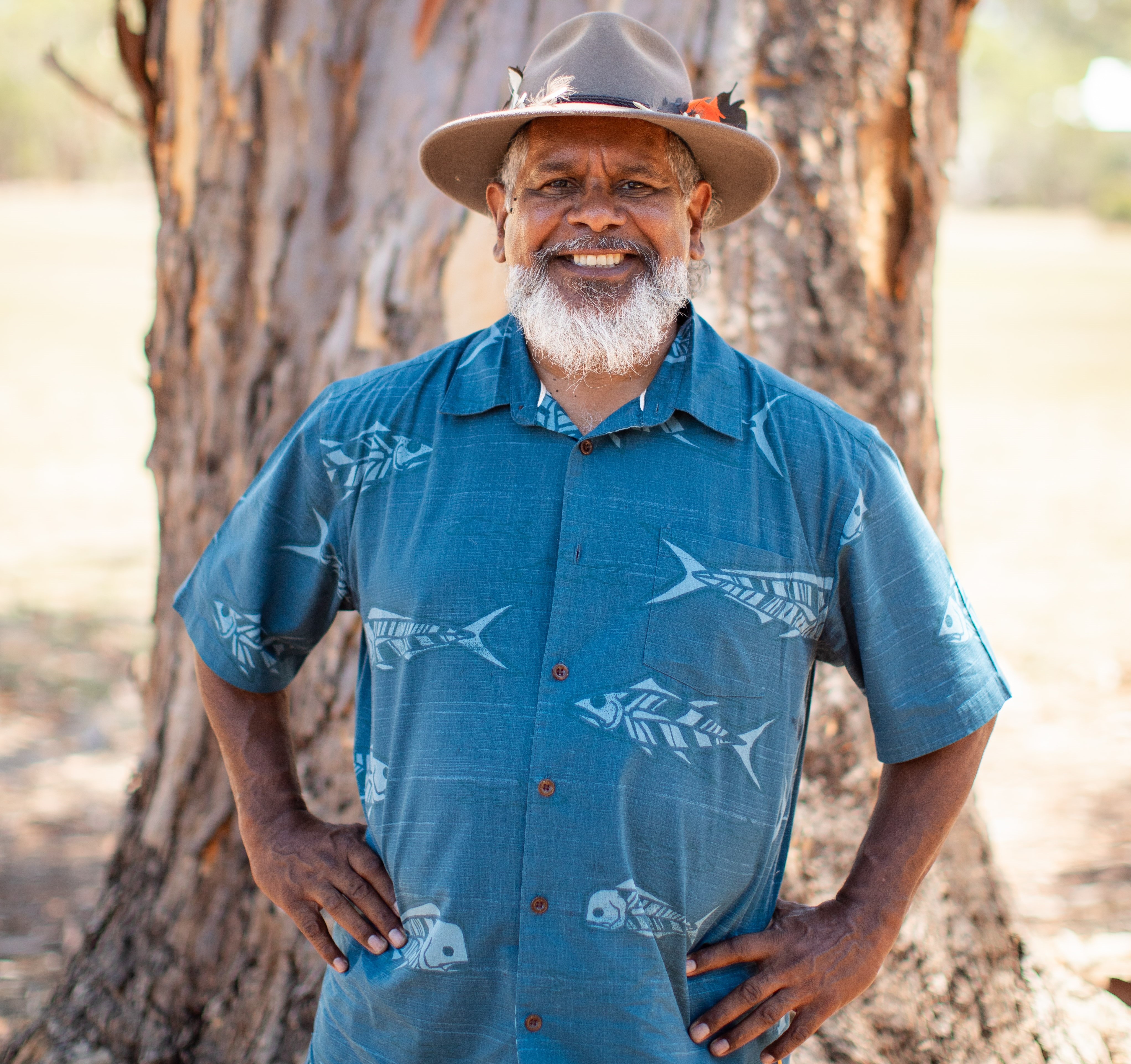
BNAA Senior Elder, May McGuire, said that unabated, Alcoa's operations "in the country in the hills… will spoil the streams and kill the land, the bush itself, the jarrah trees, the birds, the fish, the quokkas, all the animals".
"All Alcoa want is the minerals that's there in the ground… they don't care about our country," she said.
Ms McGuire said mining operations in the area were conducted without consultation with the community.
"Then the whole community is upset and they want to fight. That is wrong, they should be talking to us, the whole community, before it happens, not after. The government has to put the best foot forward and start doing the right thing by the country and for all the people, especially up in the hills," she said.
Mr McGuire said decades of damage had been done.
"It is shocking to know that the likes of Alcoa and others have had open mining rights to our forests and access to our water sources for many years," he said.
"We are also deeply concerned about impacts to archaeological and cultural heritage sites and their likely damage and destruction. We know there is a high density of heritage sites in Alcoa's expansion area, especially around waterways and granite outcrops, but only a handful of these sites are registered with the Department of Planning Lands and Heritage because there have been very few formal heritage surveys in the area."
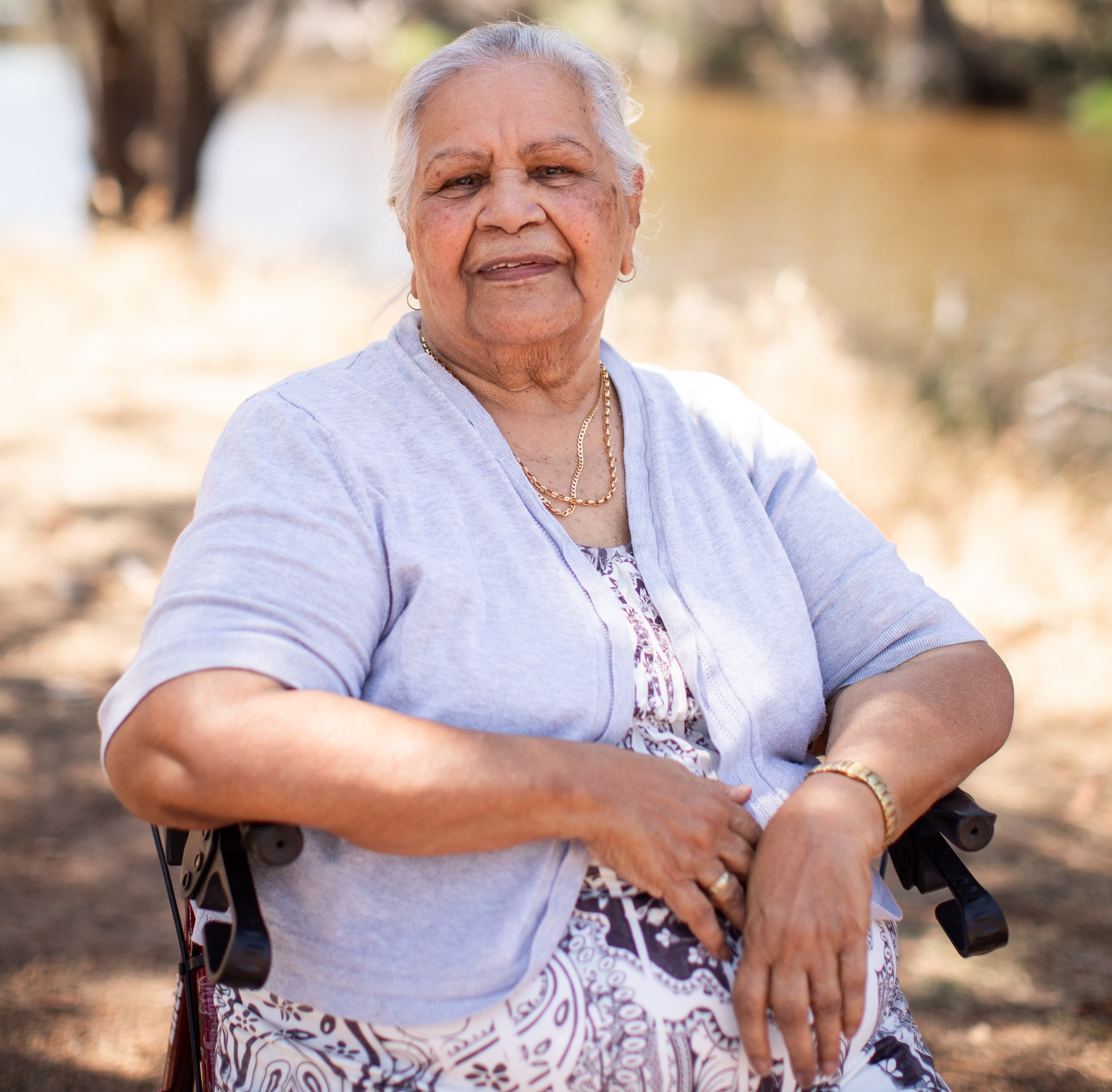
Bibbul Ngarma Aboriginal Association noted that while the current WA government did not create the Alcoa State agreements, "they are now responsible for managing those agreements and acting in the best interests of all Western Australians, including safeguarding our drinking water and protecting our unique wildlife".
"We are disappointed Minister Reece Whitby, then Minister for Environment, granted Alcoa a special exemption from parts of the WA Environmental Protection Act 1986, a law that applies to all Western Australians to ensure protection of our exceptional global biodiversity hotspot," the Association said.
"Unaware to most of us, this allowed Alcoa to get started on their 2023-2027 Mining and Management Plan (MMP) in December 2023, before the Environmental Protection Authority (EPA) review could even begin. For everyone else, this would be illegal.
"We urgently call on Premier Roger Cook as Minister for State Development, and the Minister for Environment, Matthew Swinbourn, to stand with the Western Australian community and commit to rethinking mining in our southwest forests before it is too late."
An Alcoa spokesperson told National Indigenous Times the company "acknowledges the cultural significance of Noongar and historic heritage in the areas where we operate and we are committed to protecting cultural heritage across all our operations".
"We collaborate closely with Traditional Owners to implement appropriate management of Aboriginal heritage places, including carrying out detailed heritage assessments to inform our Environmental Review Document, and our current and proposed future operations," they said.
"Since commencing mining operations in Western Australia in 1963, Alcoa has carried out rehabilitation works, guided by government requirements of the day, on more than 75 per cent of areas cleared for mining.
"Through our Forest Research Centre, we have a focus on Indigenous-led two-way science to assist in our ongoing focus on continuous improvement and adaptive management in rehabilitation practices and forest health."
National Indigenous Times has contacted the Western Australian government for comment.



