


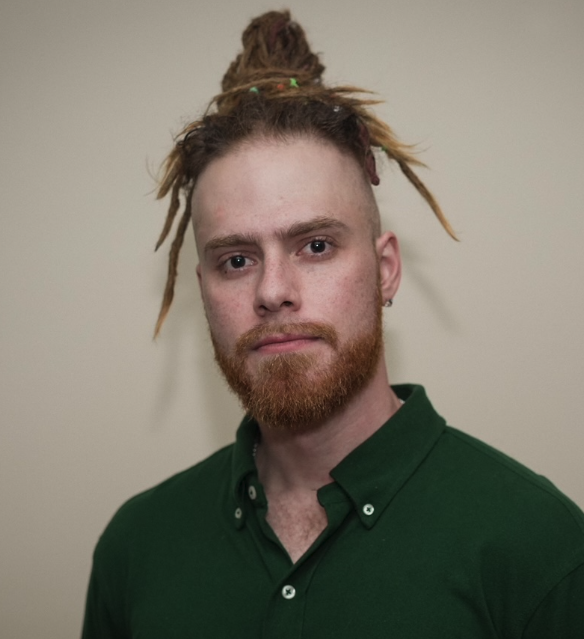

Remote jobs, tourism and food security projects across Far North Queensland were the focus during a visit by federal Minister for Indigenous Australians Malarndirri McCarthy last week.
Senator McCarthy visited Cape Tribulation, Wujal Wujal and Cooktown to meet workers and organisations involved in the Federal Government's Remote Jobs and Economic Development program (RJED).
The program is part of the government's Closing the Gap work and is aimed at creating jobs in remote communities with wages, leave, superannuation and conditions.
It was initially set up to create 3,000 jobs before the government announced in February it would double the program to 6,000 jobs by 2030.
Senator McCarthy said the program was already creating work across remote Australia.
"A secure job with decent wages and conditions helps more than just the individual, it strengthens families and communities," Senator McCarthy said.
"Having a job and the dignity of work is a big part of Closing the Gap, that's why we're doubling the number of jobs being created under our Remote Jobs program."
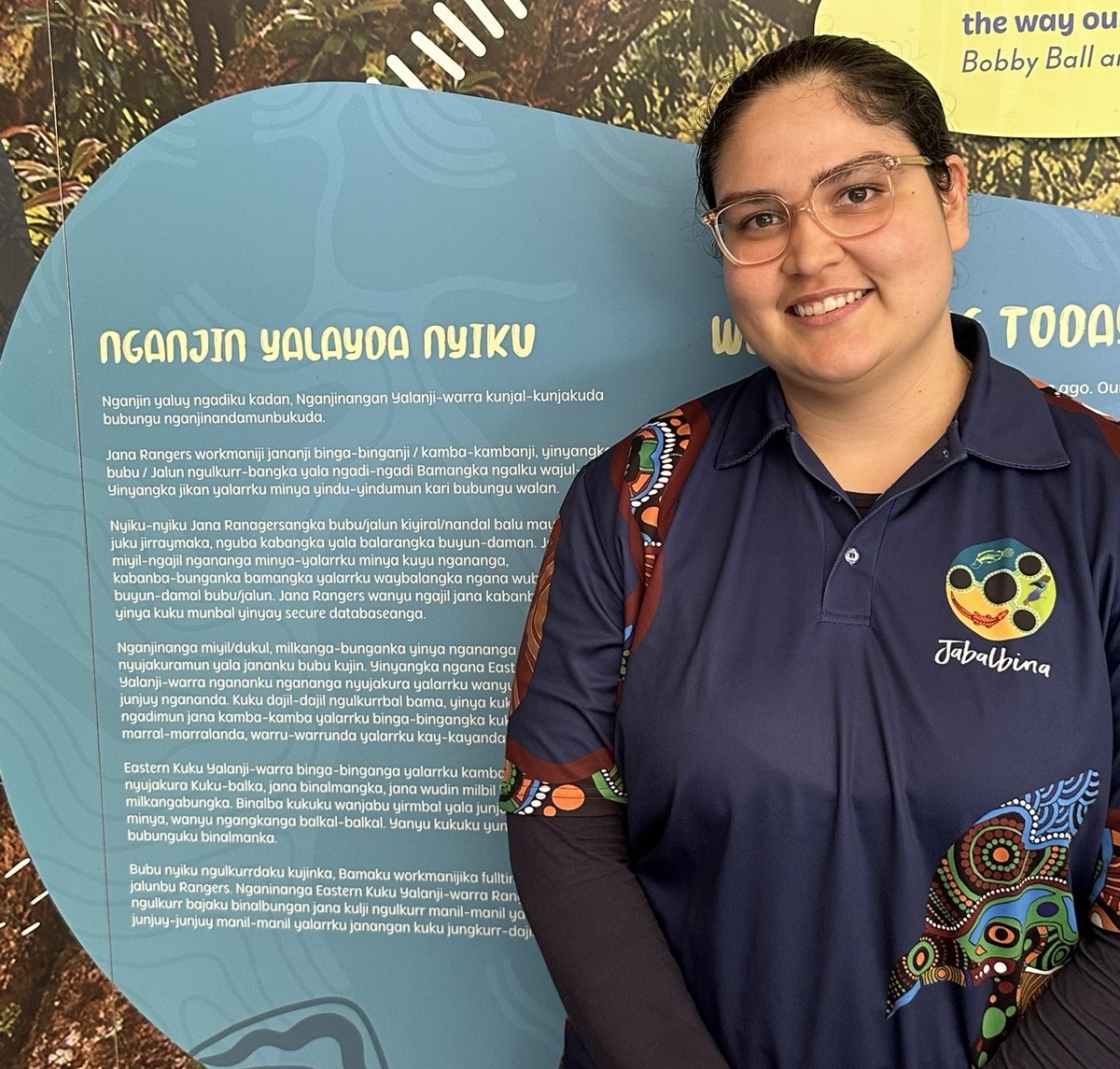
The minister's visit included the Eastern Kuku Yalanji Bamanga Muruku Tourism Hub at Cape Tribulation, where she met Jabalbina Yalanji Aboriginal Corporation workers.
Jabalbina has created 11 jobs through the program in the Cook region.
The positions include an employment and training officer, hospitality workers, tour guides, and a culture and language officer.
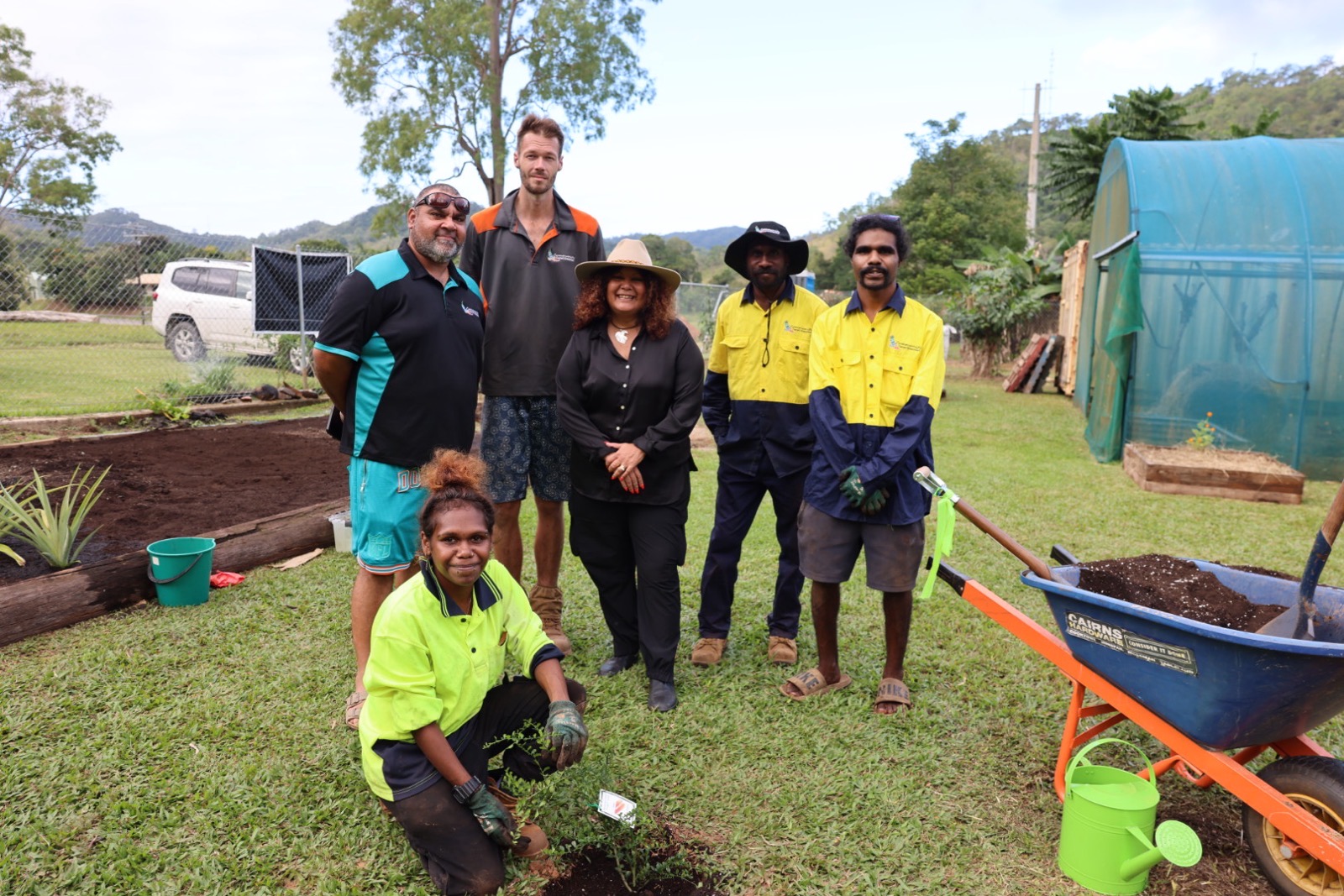
The tour continued to Wujal Wujal, where Senator McCarthy met workers employed at the Wujal Wujal Nursery & Market Garden, run by Community Owned Enterprises.
Seven jobs have been funded through Community Owned Enterprises in the Cook region, supporting horticulture work tied to food security, cultural knowledge and economic resilience.
The minister planted a finger lime with workers at the nursery and met Cinique, Chaysley and Lance, who are among those working on the site.
Cinique spoke about what the work meant to her.
"I love gardening, I always go home at the end of the day with a smile on my face, telling my families what I've done," she said.
"You grow things not just for yourself but for community and others like bringing in bush medicines or bush foods for old folks."
The nursery is also raising seedlings for the Bloomfield River regeneration project, with Cinique proud of the 100 seedlings being grown as part of the work.
Chaysley said the role had created a chance to learn and share knowledge.
"It's good to come to work and learn something new every day and also teach my kids about fruit and vegies," Chaysley said.
"I like helping the community and learning about native plants and trees and teaching it to the young generations."
In Cooktown, Senator McCarthy visited the Kuku Bulkaway Gallery, which is owned and operated by Yuku-Baja-Muliku Landowner and Reserves Limited.
She met Kirra, one of three RJED workers employed at the gallery.
Across the national program, funded jobs cover areas including tourism, culture and language, horticulture, housing maintenance, arts, transport, food security and community services.
The government has said the program is designed so employers can work with communities to identify local priorities and create jobs around those needs.
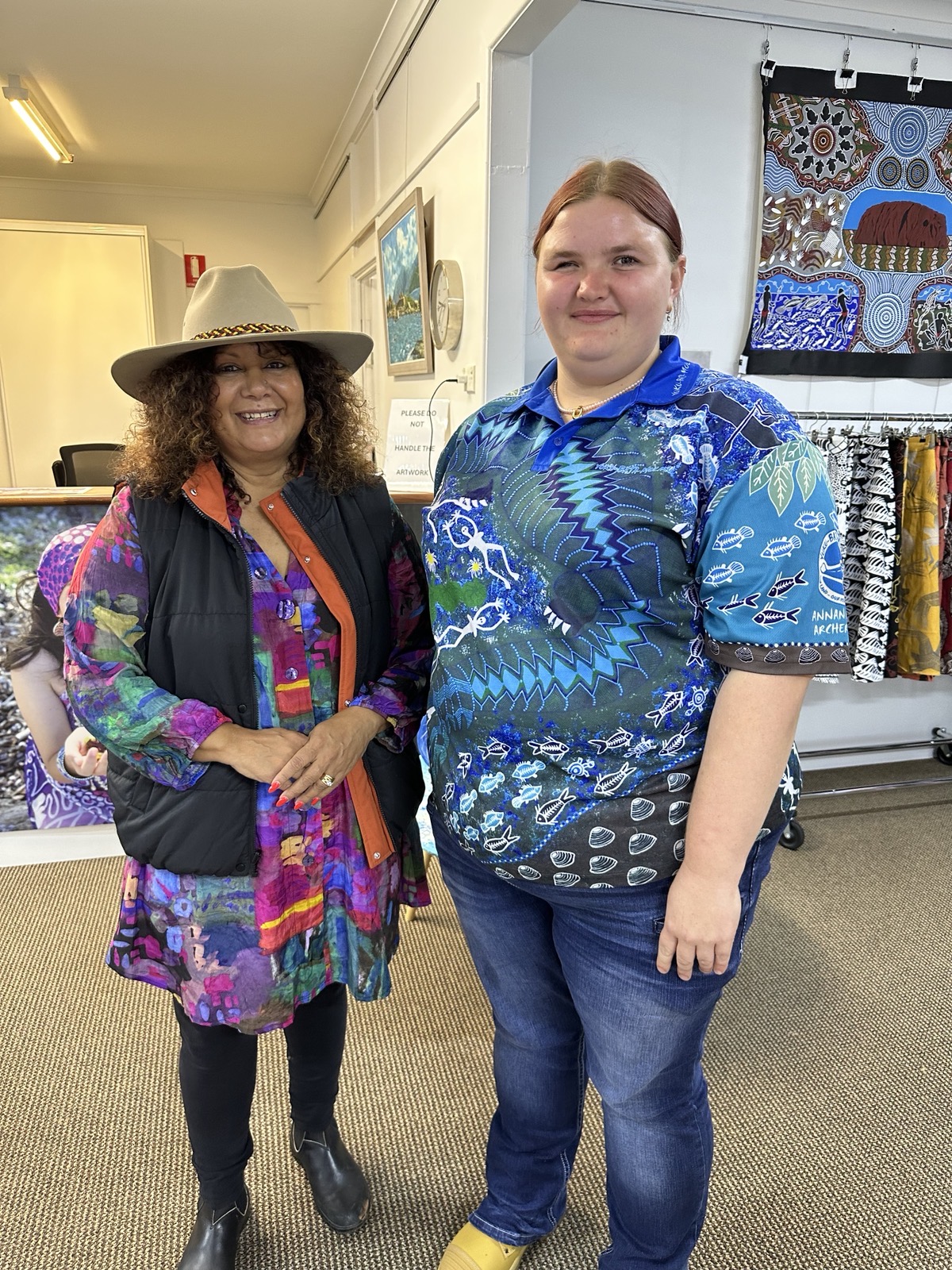
Special Envoy for Remote Communities Marion Scrymgour said the program was intended to support locally driven economic development.
"Employment and a meaningful job changes lives and helps build strong communities," Ms Scrymgour said.
"RJED is an important program that is making some real impact for people in remote areas."
At Wujal Wujal, Lance said the nursery work was also about the people around him.
"It's beautiful here, it's a good crew to work with," Lance said.
The RJED program is planned to create 6,000 jobs in remote communities by 2030.



