


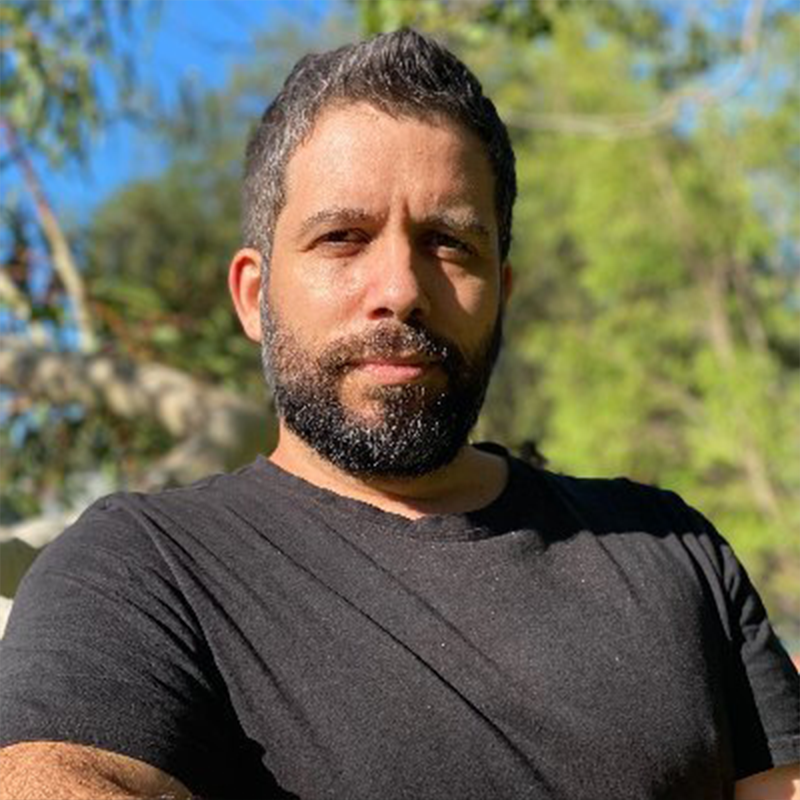

Eight years on from the issuing of the Uluru Statement from the Heart, young Indigenous leaders Bridget Cama and Allira Davis are continuing the work of the Uluru Dialogue, championing First Nations rights and leadership.
With Monday marking the 8th anniversary of the Statement, the Co-Chairs of the Uluru Youth Dialogue represent the resilience of the movement to put recognition and political participation through structural reform at the centre of Australia's national conversation.
Ms Davis, a Cobble Cobble woman from the Barrungum and Birrigubba Nations, told National Indigenous Times she and Ms Cama have been working together since meeting in early 2019.
They noticed there were not many young people at the meeting and decided to build "a platform and an opportunity for First Nations youth to have a say in the matters that affected them, and a say in the Uluru Statement from the Heart journey".
This led to the creation of the Uluru Youth Dialogue, which held a summit in 2019 in Cairns, bringing together First Nations young people from across the country who "wanted to come on the journey of structural reform and substantial change".
Ms Cama, a Wiradjuri and Indigenous Fijian woman, told National Indigenous Times that education was "a key part" of the work they wanted to do.
"We jumped straight back into community following the Uluru Youth Dialogue summit… We ran workshops for our youth so they could get across all the information, and we always were hoping our young people would be that messenger and take that information back into their own communities. And that's exactly what they did," she said.
"A lot of the work focused on doing community activation, such as setting up information pens at local events or footy carnivals, as well as things on a national scale.
"One of our big first activations was working with the NRL as part of their All Stars round, and we set up out the front of the stadium to yarn to people about the Uluru Statement… and at that point in time, we were hoping we would get a referendum, but it was more about focusing on education, sharing the invitation of the Uluru Statement from the Heart with Australians.
"It was amazing to see our young people go from that first meeting in Cairns to being young leaders in their own communities and driving the change they wanted to see."
Ms Davis said she has always been passionate about helping community, and this inspired her to pursue a leadership role.
"I grew up in Logan, my family predominantly works in community and it's been like that my whole life. Given the opportunity to work for Indigenous leaders is such a privilege as well, so taking that guidance and leadership from them… I feel like we've definitely learned a lot along the way," she said.
"The 'no' vote was very challenging, but we are still here, and we're still wanting to make a change… substantial change to our communities."
Ms Davis said community involvement remains "super important".
"The Uluru Statement from the Heart was a gift to the Australian people; an invitation to walk with us for a better future. And it was led by grassroots communities and leaders. It was never about having that kind of a leader status, but always about ensuring people on the ground, communities… had a say in the matters that affected them. And it is still all about community and how you get involved."
She said she felt "super privileged" as a young person to see older leaders "open that space up for you".
"I want to shout out to our leaders, particularly Aunty Pat Anderson and Professor Megan Davis, who created the space for… young mob to play a part in the Uluru movement, and allow our voices to be heard. We came with all these different ideas they hadn't thought of before, and they had the opportunity to give us constructive feedback where needed. Most importantly, they always supported us and valued our input."
Ms Davis said it is important for young leaders to listen to Elders and "and the people that have walked before us" and respect their knowledge.
"I think we have a lot of deadly young people who want to make change and who want to see justice, who want to see self-determination in their community… We do have a lot of people from the Uluru Youth dialogue, who are still committed to the Uluru Statement and what it calls for now," she said.
Ms Cama said that despite the defeat of the Voice referendum, the movement learned much and sparked the growth of a group of committed advocates.
"In terms of the impact of the Uluru Youth Dialogue, now we have this core group of staunch, strong, smart, passionate, energetic young leaders who were brought together because of the Uluru Statement from the Heart and the reforms it calls for," she said.
"Every Friday night we're on a call… giving each other updates about what's happening in our communities and how it relates to the Uluru movement, these are now young people who are leading that next phase of the work.
"They were hard times and challenging times during the referendum, and these young people really stood up, and I think we have made a significant impact as well with non-Indigenous youth."
In terms of what needs to happen next, Ms Davis said "it's a complex question, because there's so much going on".
"From our point of view, we're mainly focusing on finding another way for structural reform and substantial change in terms of having some sort of voice. We've dealt with the impacts and the consequences of the no vote; We're still in the status quo. We're having got really bad results with closing the gap, and the targets aren't being met," she said.
"Our people are still struggling daily, not to suggest that the Voice would have changed it immediately, but there would been some sort of impact, because it would have been legitimate, permanent and have had that power to have a say on the matters that affected us."
Ms Cama said it was "really disappointing" to see the Uluru Statement from the Heart, which said "we want to walk together for a better future", being "turned into this divisive issue, and that was really hurtful… all the politicisation that came with it".
"Instead of being an issue that was of national significance, that we should have had the opportunity to have education about and mature conversations about, we saw this political point scoring, which turned into a really toxic debate," she said.
Ms Cama noted that after the referendum it was disappointing to see the federal government walking back from its promise to implement the Uluru Statement in full, given the vote was on one specific proposal – a constitutionally enshrined Voice - and not on the whole Statement itself.
"We are still living in the status quo… and there are so many examples where the voice could have assisted. Whether it be our young people that are being incarcerated, particularly in the Northern Territory, which affects our mob disproportionately, or children in out of home care, these issues continue to persist, and no one's brave enough to take a stance on it and say, 'this is the pathway that we need to take', and we just see governments relapsing into things and policies that we've done for decades now that we know don't work," she said.
"We need brave leadership in this country…. And it needs to be a people's movement, so that's where we're investing our time, because we're just seeing politicians continue to do what they've always done… rather than do what's in the best interests of the country and its people."
Ms Davis said an enshrined Voice would have meant continuity and consistency in some of the work towards progress, rather than projects like truth-telling in Queensland or the treaty process in the Northern Territory being scrapped after changes in state and territory governments.
Ms Cama noted that "the need for a voice doesn't go away, and we've got the support of our mob behind us".
"Over 80 per cent of mob did support the yes vote, and that's clearly shown through the referendum voting statistics. It's something that we did try and share as a message right throughout the campaign," she said.
"At the end of the day, I think that gives us the strength and the inspiration to keep moving forward, knowing that our mob, over 80 per cent will continue to fight… and continue the journey."



