



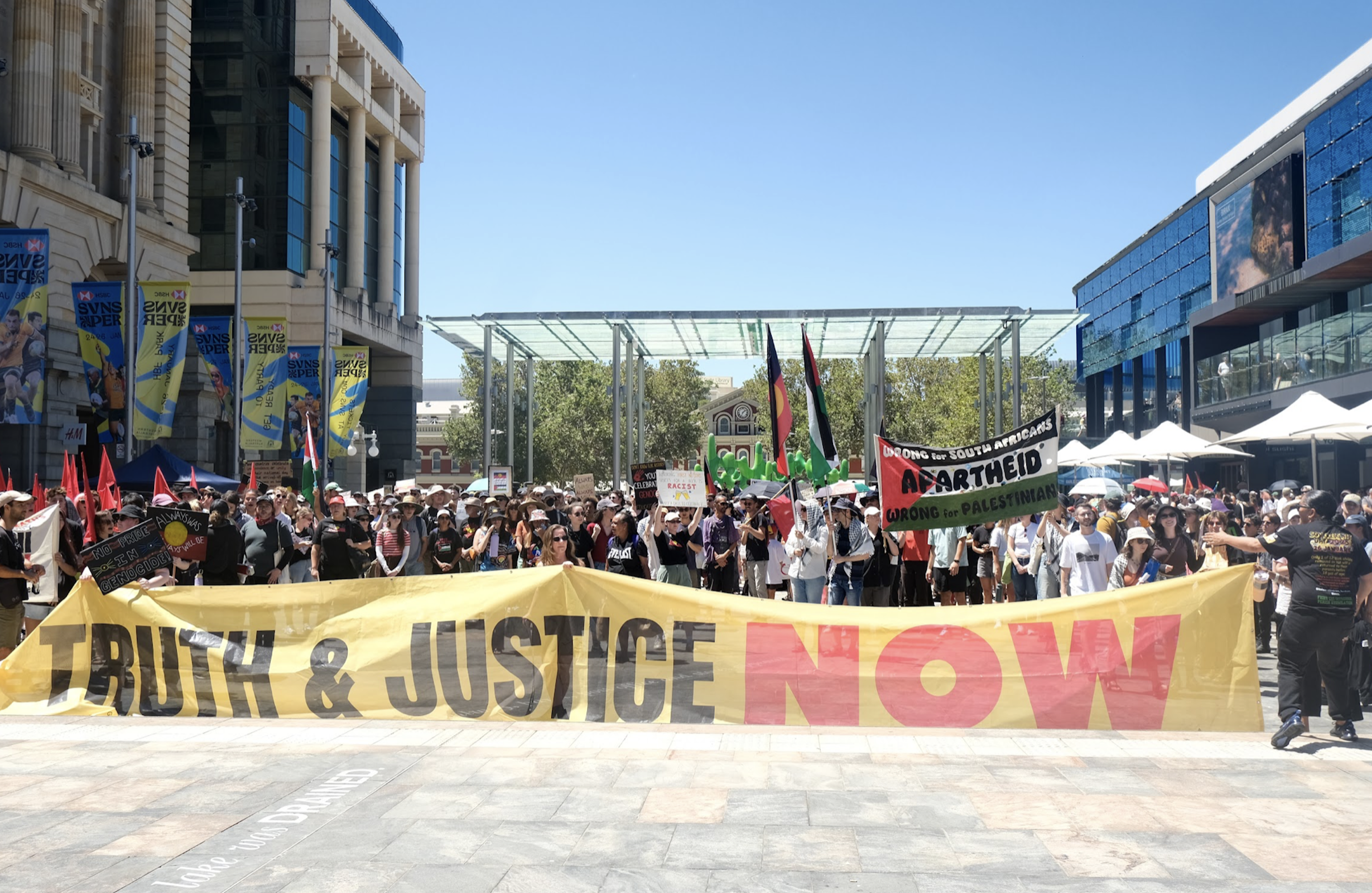
Boorloo (Perth) was painted in a sea of black, yellow and red, with more than one thousand people gathered at Forrest chase on Invasion Day, standing in solidarity to demand truth-telling, justice, and the recognition of Indigenous sovereignty.
Speakers shared heartfelt stories, addressing ongoing urgent issues such as youth justice, missing Indigenous people, and the need for healing spaces.
"Always Was, Always Will Be"
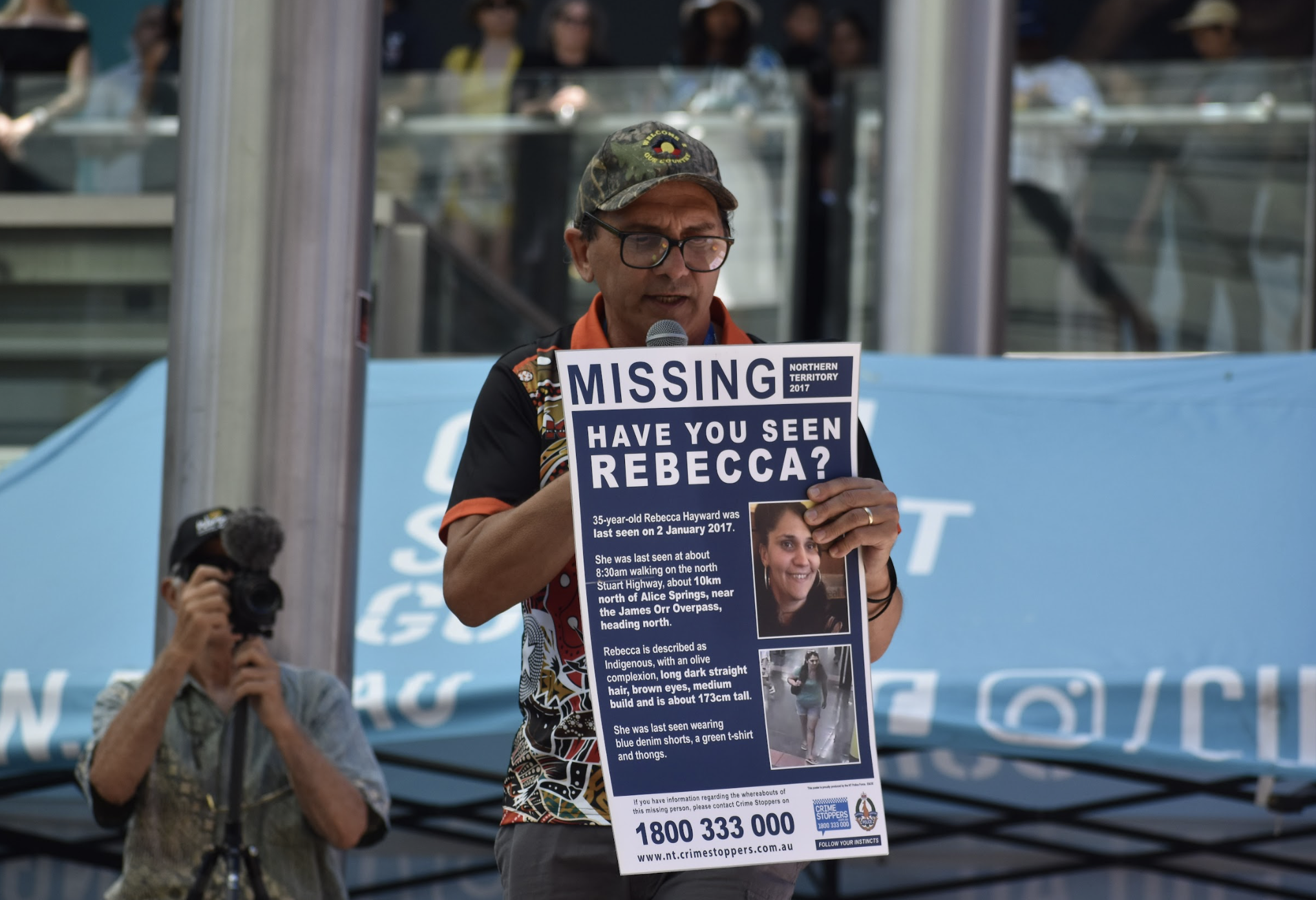
Noongar leader Eric Hayward opened his speech by acknowledging the unceded lands on which the gathering took place.
"We acknowledge you. We are meeting on Whadjak Noongar boodja, and there is archaeological evidence that Noongar people have occupied the southwest for 48,000 years. It was Aboriginal land; it still is Aboriginal land—always was, always will be," he said.
Reflecting on Australia's colonial history, Mr Hayward pointed to the silencing of Indigenous truths and the ongoing failure of the education system to acknowledge this past.
"Nearly 200 years ago, the British Empire invaded First Nations territories, bringing colonial violence and genocide to these lands. The invasion continued across Australia, with massacres lasting until the 1960s in Coniston, Northern Territory, and the 1970s in Laverton, Western Australia. You won't read about these in school history books or hear about them at the immigration desk," said Mr Hayward.
"The settlers stole our lands. They paid the British Crown for our territories—not the people whose land was stolen. Pay the rent."
"Australia stands alone in celebrating colonisation"
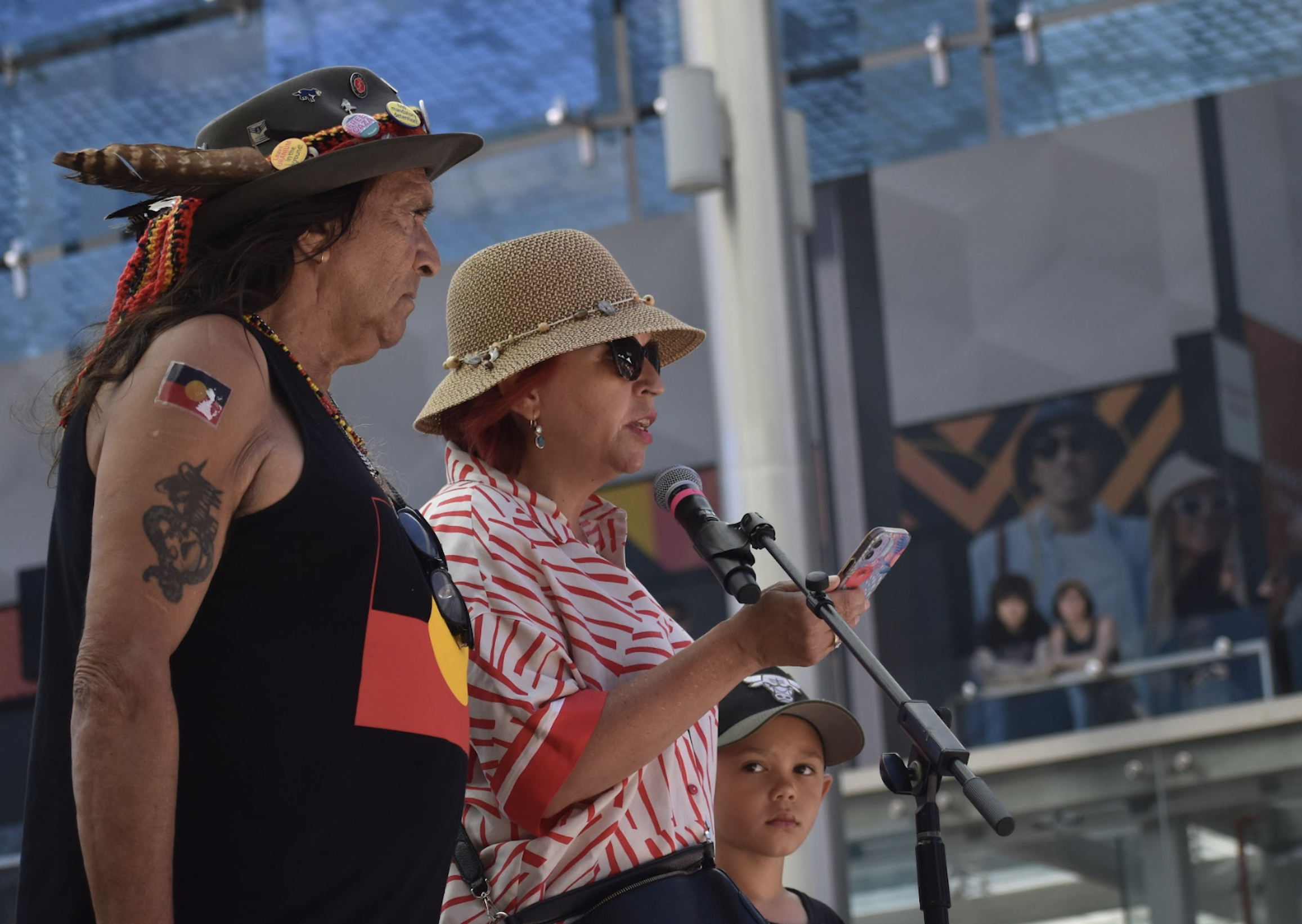
Speaking as an expert member of the United Nations Permanent Forum for Indigenous Issues, Dr Hannah McGlade noted that almost every other Commonwealth nation celebrates their independence from British rule—rather than its beginning.
"Of all the 56 Commonwealth nations, Australia stands alone in celebrating the beginning of British rule, while almost all other Commonwealth nations commemorate their independence from it. What does this tell us about our country and who we are as a nation?" she said
"Sadly, I think Australia is a nation too often forgetful about our past, which for many of our people is living memory."
Dr McGlade also condemned the recent political attacks on Indigenous children, particularly in the Northern Territory and Queensland, where new laws violate international human rights standards.
"The Northern Territory government promised, if elected, to lower the age of criminal responsibility to just 10 years. And they have done that," she said.
"The International United Nations law says that no child under 14 should be held criminally responsible."
She also highlighted the failures of the justice system in Western Australia, where Aboriginal children are still being held in adult prisons, despite international laws explicitly prohibiting it.
"Two children have now died because of solitary confinement at Unit 18 at Casuarina, a maximum-security prison," Dr McGlade said. "If there are families here today impacted by Banksia Hill, I give my deepest sympathy."
"Stop being afraid of the truth"
Mr Hayward emphasised the need for political leaders to confront Australia's history and commit to truth-telling, especially as Western Australia nears its 200-year anniversary of colonisation in 2029.
"I urge both sides of politics to present a bipartisan approach and support a truth-telling commission—one that tells our stories, our survival, and our dispossession. No more division. No more party politicking. You can handle the truth."
Dr McGlade echoed his sentiments, stressing that hollow government apologies were not enough—real change was needed.
"Premier Roger Cook said, 'I'm sorry' for the incarceration of Aboriginal men on Wadjemup. As we teach our children today, sorry means we understand how wrong it was and we will never do it again. But we don't want any more apologies or hollow gestures," she said.
"We want respect for human rights. We want our children strong. We want our language back. We want to be treated fairly in this country."
A call for justice and action
Both Mr Hayward and Dr McGlade emphasised that the fight for Indigenous rights must continue—from truth-telling about Australia's past to immediate action on human rights violations against Indigenous children and communities.
"Black lives mattered in the past, they matter today, and they'll matter to future generations," Mr Hayward declared. "New and older Australians need to recognise our ancestors, their dispossession, and the reasons for intergenerational trauma, poverty, and imprisonment."
Dr McGlade concluded with a call to action, urging the Australian government to implement the UN Declaration on the Rights of Indigenous Peoples and to stop treating Indigenous rights as a token gesture.
"If Australia is serious about closing the gap, it should start with respect for human rights—especially the rights of children," she said.
"It's time for justice and real change."
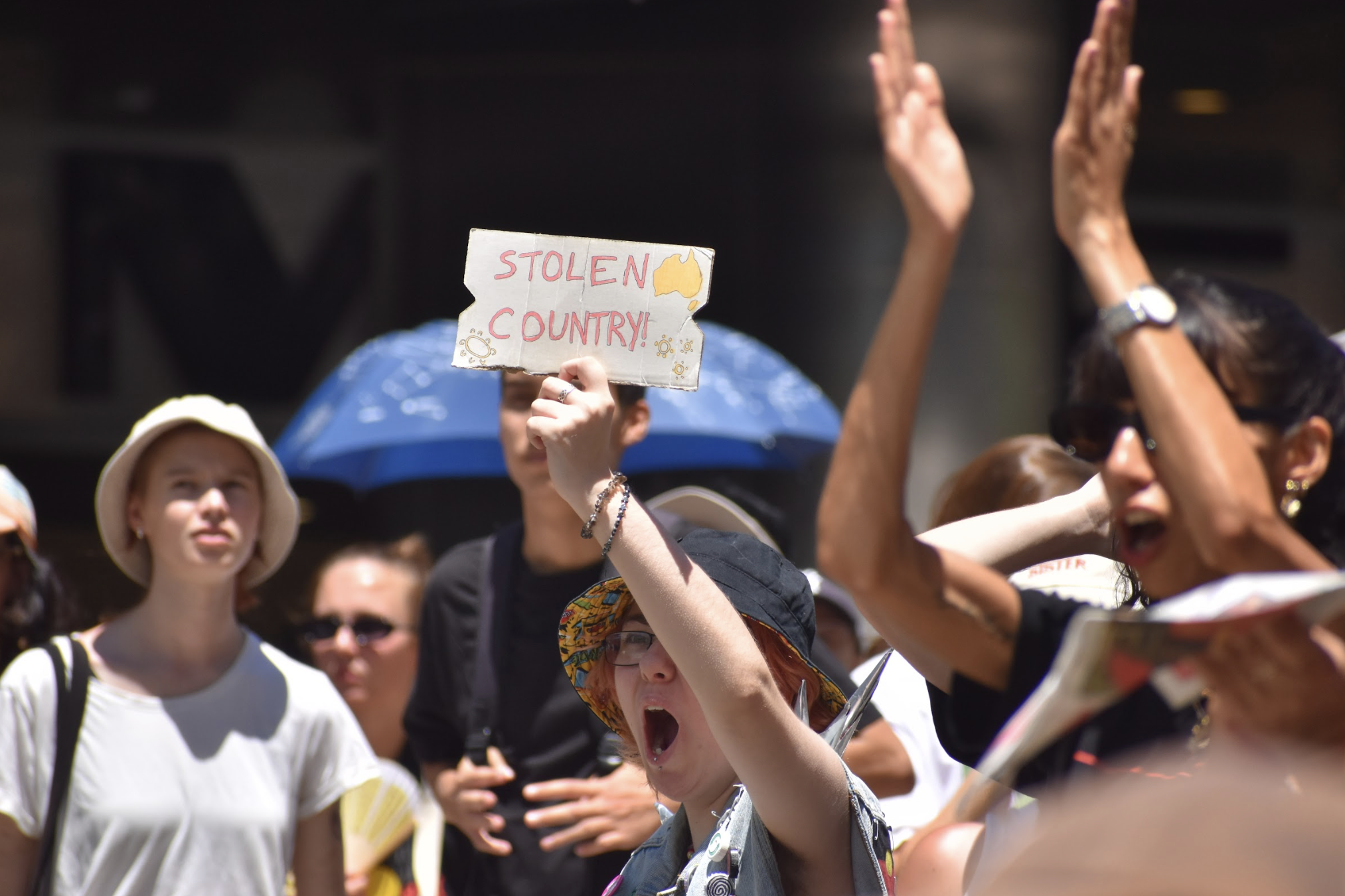
After the speeches, the rally continued through the streets of Boorloo. Nearing the end of the march, the crowd paused to dance to Midnight Oil's 1986 hit "Beds Are Burning," a song long associated with Indigenous rights and justice.
The march concluded at Stirling Gardens, where participants gathered for a yarning circle with Elders and enjoyed the music at the Birak Festival.



