


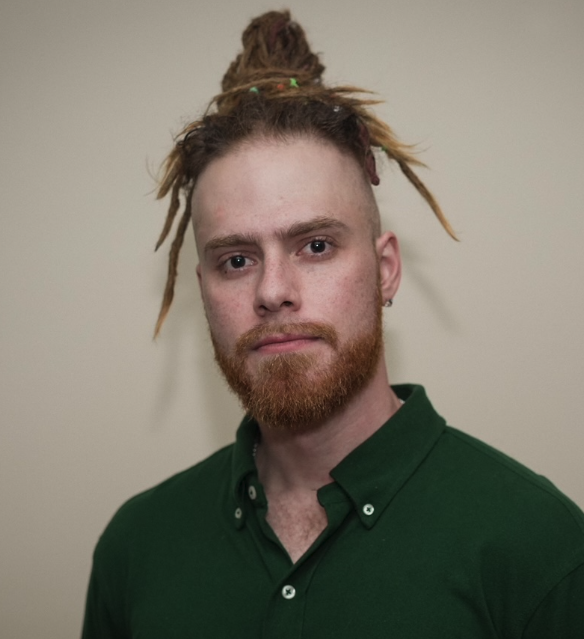

The season of Eat Slay Zombie recently wrapped up, bringing its unique blend of horror, comedy, and commentary on colonisation to audiences.
The play, written by Githabul, Migunberri-Yugumbeh and Gomeroi woman Alinta McGrady and directed by Lisa Fa'alafi, follows two Indigenous women navigating survival in a zombie apocalypse where TikTok is the only form of communication.
It uses humour to highlight resilience and systemic challenges.
Ms McGrady said she was inspired to write a play that placed Black people, particularly Black women, in leading roles.
"In the zombie apocalypse, I think there's so much room to play," she said.
"There are so many parallels between an apocalypse and how we live now."
Djabugay, Ewamian, Mbabaram and Butchulla woman, Shahnee Hunter, who portrayed Sheree, said she connected with the character's sarcasm and distrust.
"I believe I too would be at her level of distrustfulness if we were in an every-person-for-themselves situation," Ms Hunter said.
"I identified with a character who always feels the need to take charge or things won't get done," Ms Hunter said.
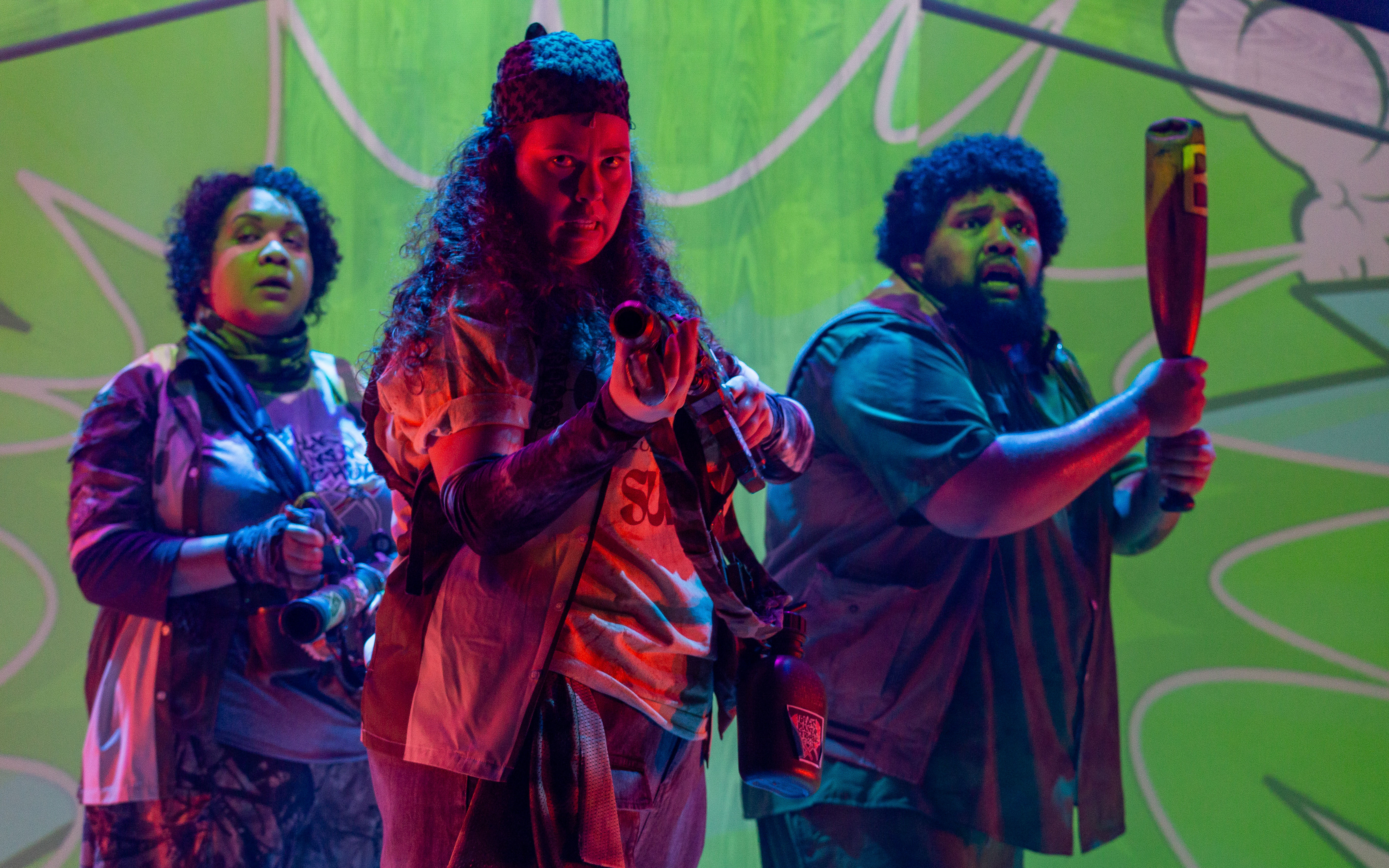
Ms Hunter highlighted the collaborative energy on set.
"Our director Lisa and writer/co-director Alinta created such a world of creativity to play in," she said.
"Fun played such a huge role in bringing this whole production together."
Reflecting on the blend of humour and deeper themes, Ms Hunter described laughter as a form of healing.
"Although there's things that make you proper wild, having each other and creating bonds becomes a safeguard against adversity," she said.
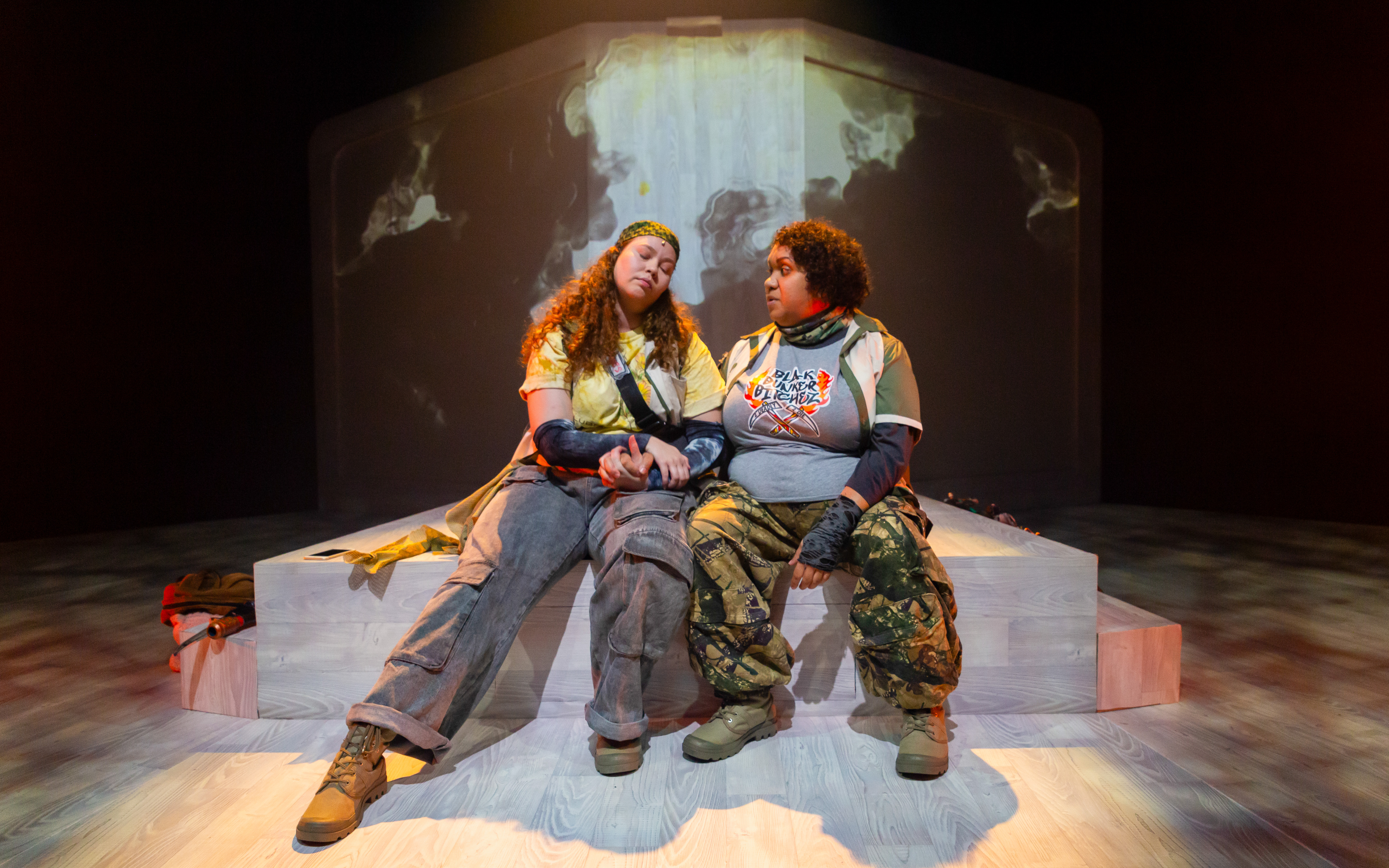
Ms McGrady said she wrote the play with Blackfellas in mind, aiming to provide a sense of comfort and joy.
"Writing this play, I wanted it to be for Blackfellas, I wanted them to feel comfortable, safe and get it," she said.
"I feel like sometimes our mob works can be a bit of a trauma dump. I wasn't interested in that but rather in the process moving forward and being excited about stuff."
Samoan woman of Safune and Lepea villages and director, Lisa Fa'alafi, called the process of directing the play "medicine."
She said working with Ms McGrady and centring First Nations women's stories was both a privilege and a responsibility.
"It's important that our similar struggles bond us together but also that my role is to support the voices of this land to speak the loudest," Ms Fa'alafi said.
Ms Fa'alafi noted the importance of balancing systemic challenges with creative freedom.
"Even navigating external factors, I am so happy we managed to create a room that felt safe, supported, and full of joy," she said.
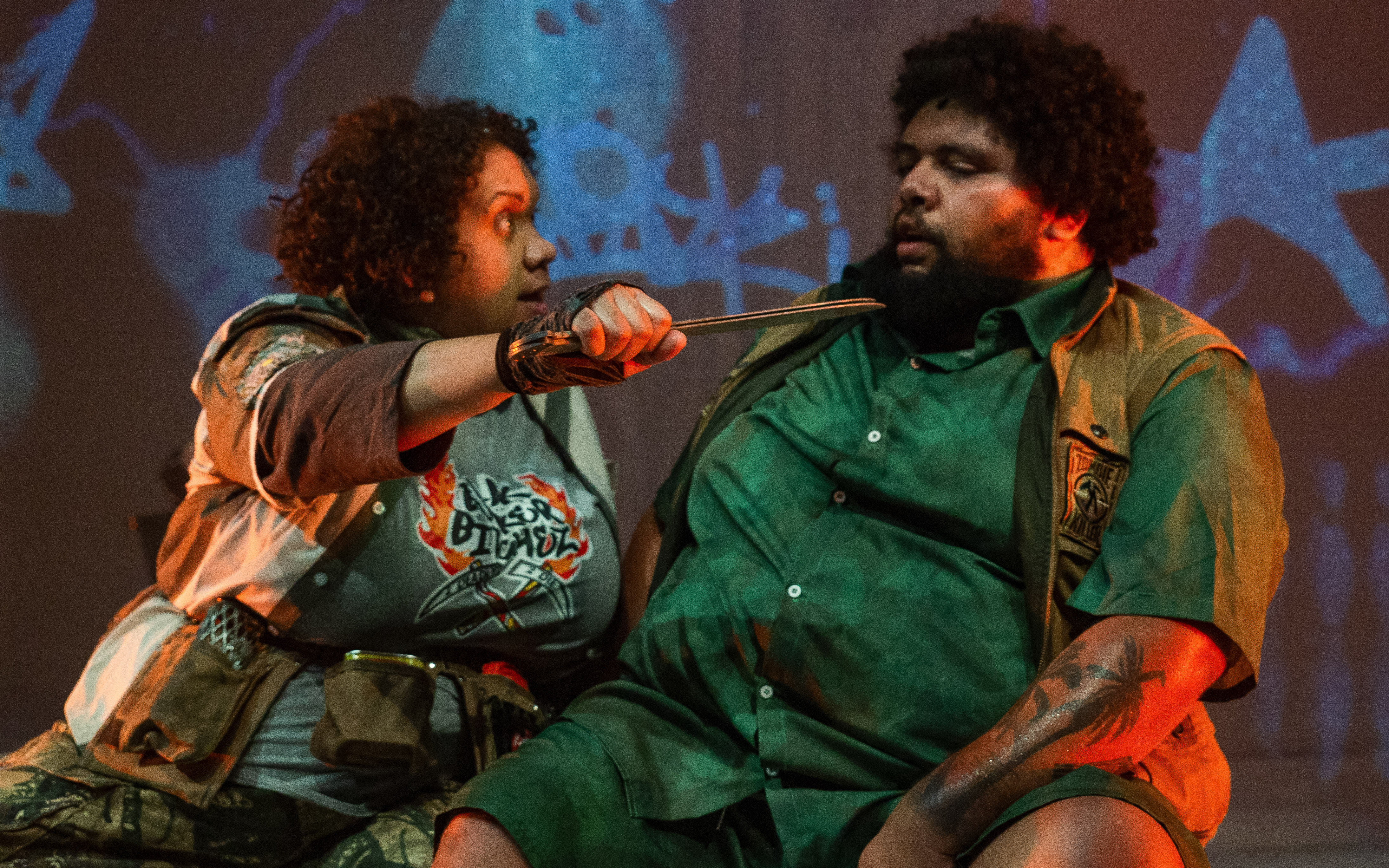
The collaborative process involved a mix of text-based theatre, music, and dynamic projection design to create the show's apocalyptic yet comedic atmosphere.
Ms Hunter hopes audiences left feeling empowered.
"I hope they walked away with the genuine feeling of, 'yeah, I'm the top pinnacle person!' And no-one is going to stop me from fighting for what's right," she said.
The play, she added, emphasises resilience and self-belief.
"One failed attempt isn't the end. There is always going to be a solution. We just have to keep fighting until we've won," Ms Hunter said.
Eat Slay Zombie offered a bold narrative that used laughter to examine societal challenges, leaving audiences with a sense of hope and determination.



