


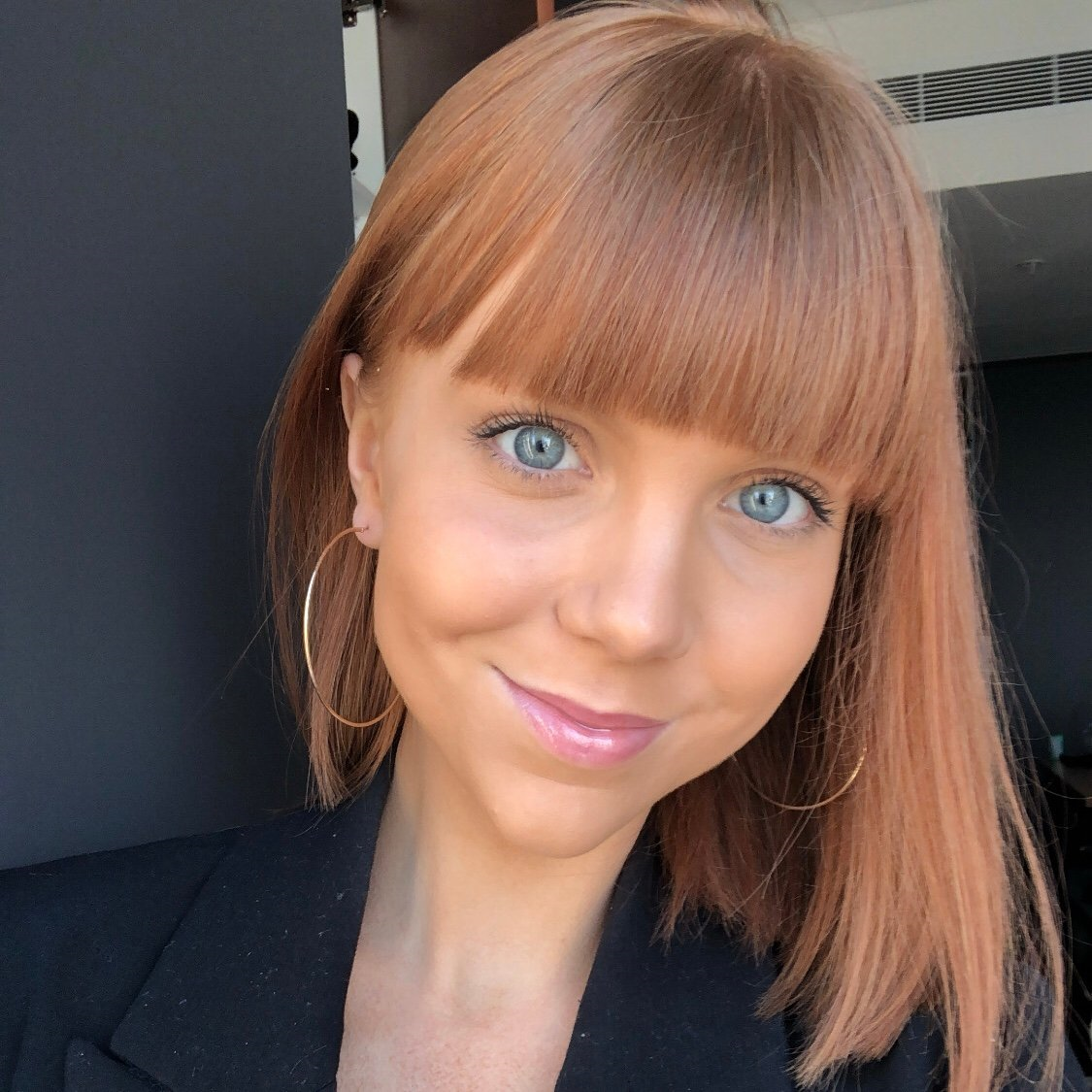

In 2026, Gold Coast public health worker Renee Grosso is proving the most powerful medicine in remote Indigenous communities isn't found in a clinic, it's in a craft room.
The mum-of-two is a Public Health unit manager at Gurriny Yealamucka Health Services in Yarrabah, one of Australia's most disadvantaged communities 55km east of Cairns.
In Yarrabah, limited hygiene infrastructure increases disease risk - including rheumatic heart disease (RHD) caused by acute rheumatic fever (ARF), where 90 per cent of diagnoses involve children.
Australia's Closing the Gap targets remain stubbornly off-track, and STI rates in Indigenous communities run up to five times higher than the national average.
Ms Grosso is tackling both with creative, culturally-grounded prevention and hygiene programs in Yarrabah Public School and the community, from soap refill stations to anatomy art.
The comprehensive Sexuality Program is taught through creative arts and expression, blending education, prevention and cultural reclamation.
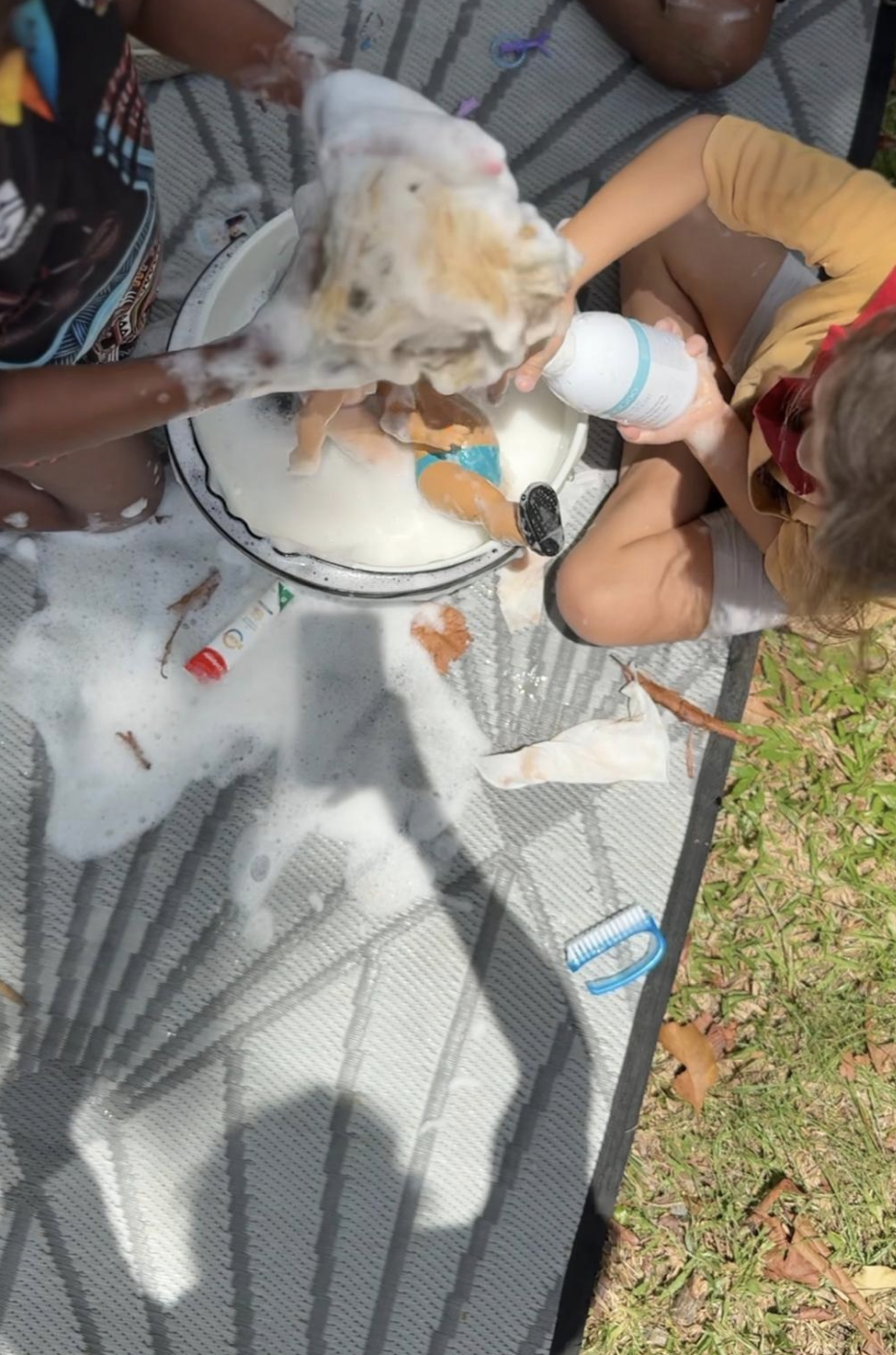
The program includes, The Great Wall of Vulva - using art creation to break shame and teach anatomy, Consent Salons - where schoolgirls practise setting boundaries , "Dolly washing" - hygiene practice through play to tackle rheumatic heart disease (RHD) and more.
When speaking on the program, Ms Grosso expressed how she hopes this new form of learning is both educational and engaging for participants.
"Research shows when young people are invited to participate, create and reflect, learning is deeper, more meaningful and more likely to stick," she said.
"Vulva art is a creative way of looking at our anatomy, what it does, and our right to bodily autonomy - and even learn about the clitoris and how we're allowed to experience pleasure. Knowing what our bodies do isn't shameful.
"Consent Salon role play might involve the 'salon owner' asking their 'client' if they really want their eyebrows dyed blue several ways, and we practise reading body signals and respect a no.
"For too long, girls have been taught about risk and reproduction - but not about their full anatomy, their bodies, or their right to understand them."
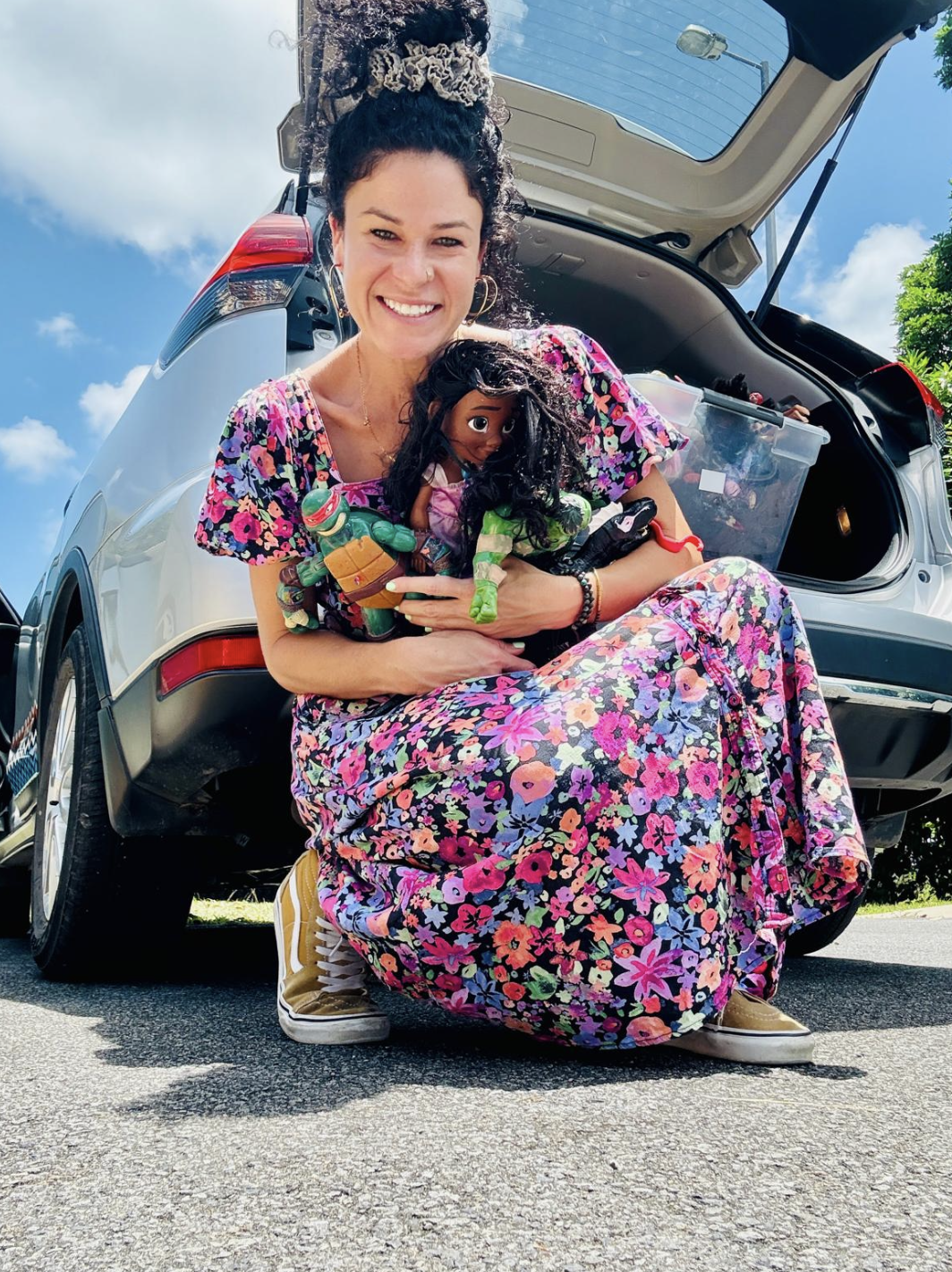
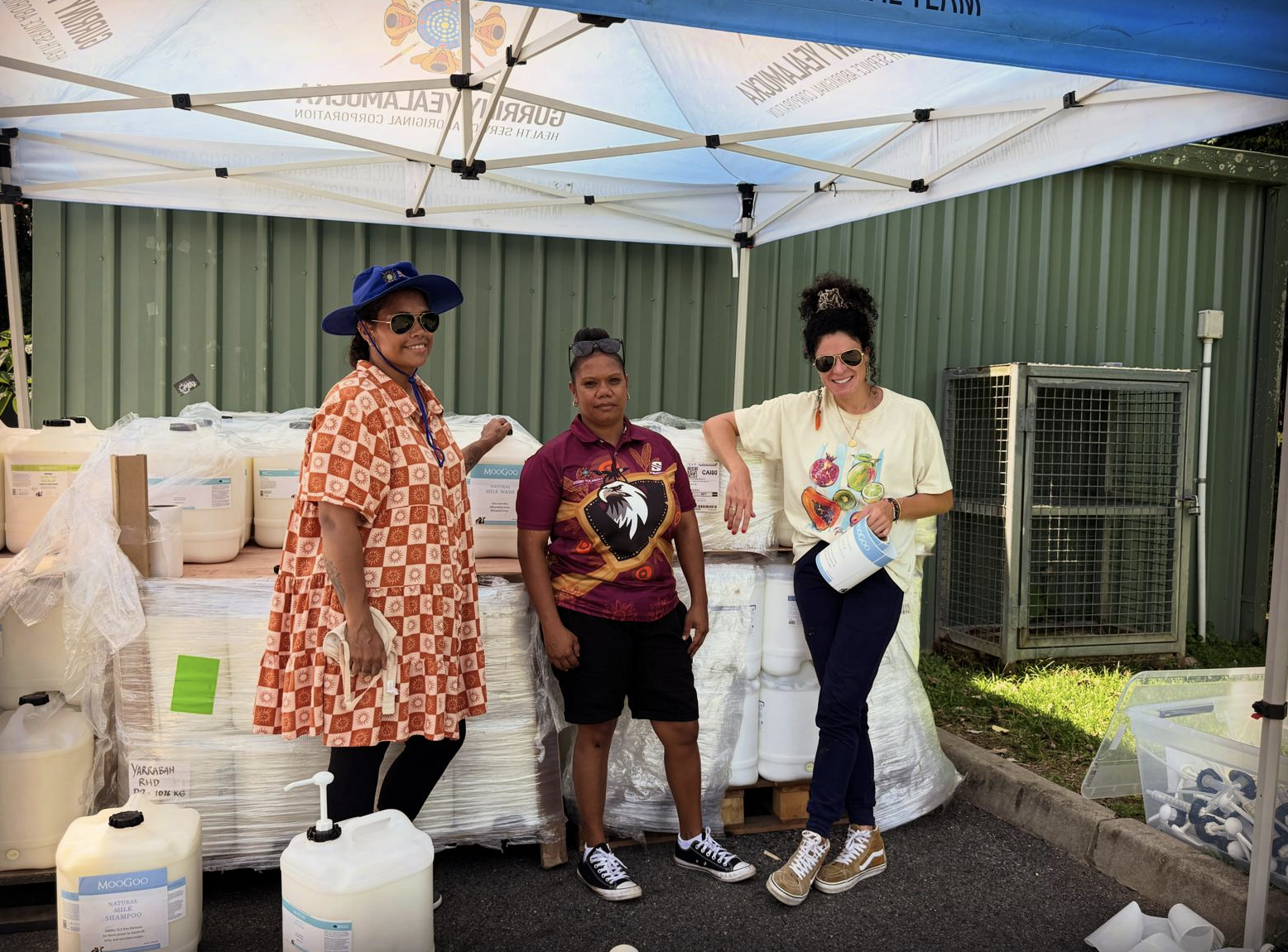
From braving the storms to build shelving and rolling out hygiene access at scale with the MooGoo Prevent RHD Program - to date, it has reached more than 1,200 people in 143 homes.
Each receives a kit with shampoo, conditioner, body wash, lotion, and insect repellent, and Ms Grosso's community programs include The Yarrabah Soap Program, Healthy Skin Heroes and Healthy Skin Packs.
The Yarrabah Soap Program focuses on how soap refill stations strive to improve daily access to hygiene - to date, they've received more than 7000 litres of Milk Wash.
Healthy Skin Heroes teaches infection prevention through play, whilst the Healthy Skin Packs reinforce healthy habits for every student.
"It's not rocket science, it's clearly written in robust global literature, and we focus on what we can control - building habits early and making healthy choices accessible and easy," said Ms Grosso.
"We're committed to the long game - we're not interested in wasting time and energy with tokenistic Band Aid patching approaches. If we focused as much on prevention and the social determinants of health as we do tertiary care, we would have much better outcomes in health as a population."
RHD rates are finally plummeting, falling 30 per cent in Queensland between 2023 and 2024, while acute rheumatic fever - the illness that can lead to heart damage - also dropped by 7 per cent.
"Our joint visionary mentality and MooGoo's flexibility to come for the ride and support our programs long-term, helps give our communities the best chance of making positive change," she said.
"And access to hygiene and early education are key to breaking that cycle."



