When you google "magabala" it's highly likely your search engine directs you to Magabala Books, an Indigenous publishing house based in Broome. The primary aim of this dynamic small business is to support Aboriginal and Torres Strait Islander authors and illustrators from throughout Australia.
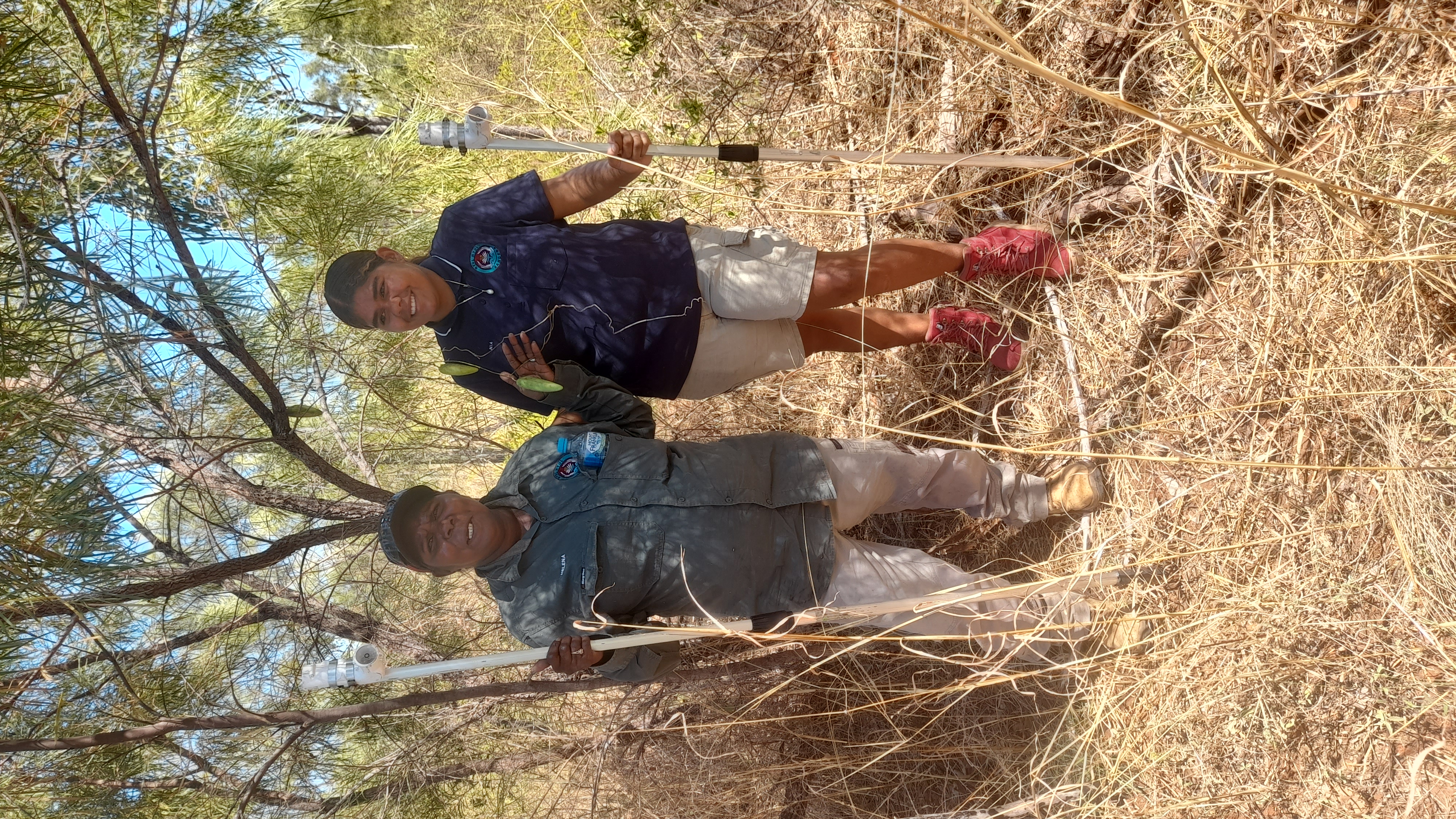
The origin of the title is derived from the Yawuru word for Marsdenia viridiflora, a delicate twining vine which is also referred to as the bush banana. The plant itself looks nothing like a banana plant, growing from a subterranean tuber which springs to life after the early rains of the northern wet season. It is easily identifiable by its climbing habit, opposite leaves and copious milky sap
This climbing perennial uses surrounding shrubs and trees to support its growth into their canopy where pollinators like beetles and nocturnal moths are attracted to the scent from the small waxy yellow flowers. Once the fruit forms you see a resemblance to the banana fruit, albeit a small green one.
Magabala are best picked young and green. They are eaten raw or alternatively heated on coals before consuming. With a taste of fresh green peas and a crisp texture it is a highly sought after bush tucker. They are also exceptionally rich in thiamine, a vitamin essential to keep our nervous system healthy.
When fully ripe the fruits split open releasing hundreds of tiny brown seeds, attached to pieces of fluff designed to float around in the breeze distributing them throughout the surrounding bush. This dispersal method highlights the genius of Mother Nature and explains why the plant climbs high into trees before fruiting.
Another species Marsdenia australis occurs throughout the drier inland regions of Central and Western Australia where it is utilised in the same way as magabala. It evens mirrors the reproduction and dispersal methods. The only difference is cogla (as it is known by Yamatji people of WA's Midwest) grows, flowers and fruits throughout the southern winter and spring. Cogla is also referred to as native or silky pear.
Magabala and cogla are small hardy garden plants, particularly suited to small terrace or courtyards gardens where they will quickly cover lattice especially with northwards orientation. Easy to propagate from seed they are fast growing and generally pest free. You are liable to kill them by overwatering rather than the opposite. I've just planted some in my garden and after their initial watering in, I'll leave them to the forces of nature.
There are over 20 species of Marsdenia in Australia, not all are edible, please don't eat if you are in any doubt as to the plant's identity. Till next time!