




A historic co-management agreement has been reached between Kaurna Yerta Aboriginal Corporation and the South Australian government for three Adelaide national parks.
The agreement provides a formal platform for co-management of Winaityinaityi Pangkara (Adelaide International Bird Sanctuary National Park), Aldinga Conservation Park, and Torrens Island Conservation Park.
A Kaurna Parks Advisory Committee of representatives from Kaurna Yerta Aboriginal Corporation and South Australia's Department for Environment and Water will provide management advice to the minister and the National Parks and Wildlife Service.
Kaurna Yerta Aboriginal Corporation chairperson Les Wanganeen said this was the first step in establishing a relationship between the Corporation and the state to protect the environment for future generations.
"The development of the action plan is to recognise Kaurna's knowledge and experience in the co-management of maintaining three national parks," he said.
"KYAC now looks forward to future employment opportunities for Aboriginal park rangers to maintain and preserve our Country."
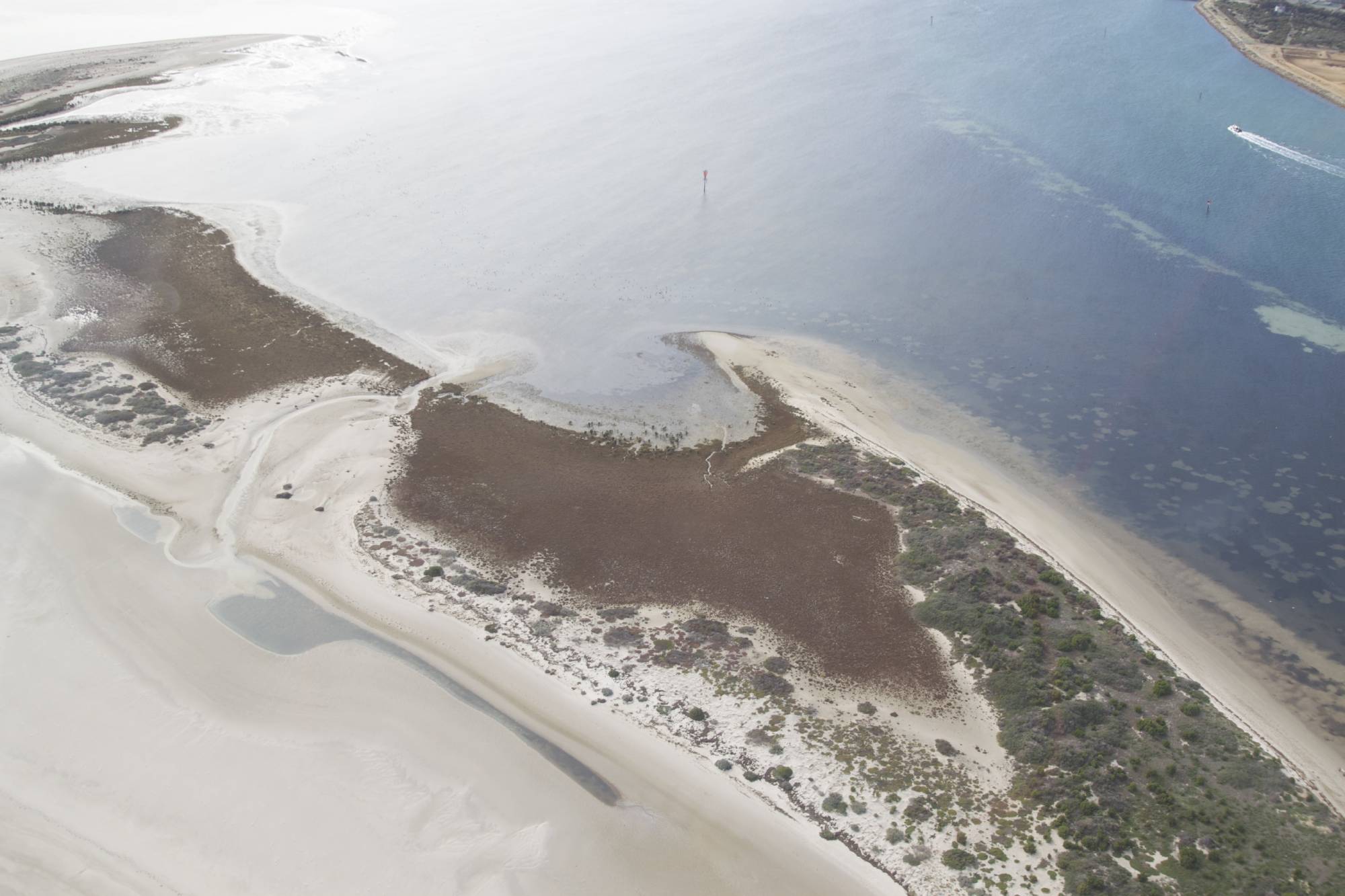 Adelaide International Bird Sanctuary.
South Australia's co-management aims to bring together traditional Aboriginal beliefs and contemporary scientific perspectives on the importance of looking after land.
The concept recognises healthy country and healthy communities go hand-in-hand.
According to the SA Government, co-management acknowledges the rights and capacity of Aboriginal communities to manage cultural and natural values on traditional lands and educates the wider community about the importance of healthy country.
Co-management Advisory Committee chairperson Stuart Paul said by recognising Aboriginal rights, agreements educated the broader community and instilled pride among communities.
"The relationship to Country is central to Aboriginal culture, identity, spiritual beliefs and wellbeing and access is critical to maintaining this relationship and can provide additional social, health and economic benefits for Aboriginal people," he said.
"Traditional knowledge and land management practices can also inform and improve contemporary approaches to science and park management and enhance park visitor experiences.
"This co-management agreement allows Aboriginal communities to look after and use sacred places in accordance with their traditional culture and values."



