




An Australian-first research initiative has been launched to address gaps in Australia's domestic and family violence support services, featuring First Nations-led women's organisation Elizabeth Morgan House.
Safety Measures is a national research program uniting six domestic and family violence organisations across the Northern Territory, South Australia and Victoria.
It aims to use data collection to build a more nuanced understanding of domestic and family violence experiences by developing and testing approaches for measuring the need, demand, supply, capacity and impact of specialist services. Through this work, it promises to identify where critical gaps remain in the current system.
From the six participating partners, three are Aboriginal community-controlled organisations and three are non-Aboriginal peak bodies, reflecting a diverse and inclusive approach to systemic reform.
One such organisation is Elizabeth Morgan House - the peak body in Victoria for Aboriginal women and children.
Established in 1976, Elizabeth Morgan House has advocated for the rights of Aboriginal women against gender and racially based violence since its inception, advising peak Aboriginal organisations, Government and the NGO sector on issues affecting Aboriginal women and families.
They offer a variety of support services, ranging from refuge accommodation and specialist family violence support to therapeutic programs and advocacy for women involved in the justice system. Their support also extends to parents of Aboriginal children, as well as partners and former partners of Aboriginal people.
Kalina Morgan-Whyman, a proud Yorta Yorta woman and CEO of Elizabeth Morgan House, spoke on the organisation's vision for the partnership.
"As a community-led organisation, we strive to overcome gender-based violence by recognising First Nations women as rights holders capable of determining their own futures. We place women at the heart of our organisation and respect them as unique knowledge holders with the capacity to self-govern through culture, autonomy, decolonisation, and self-determination," she said.
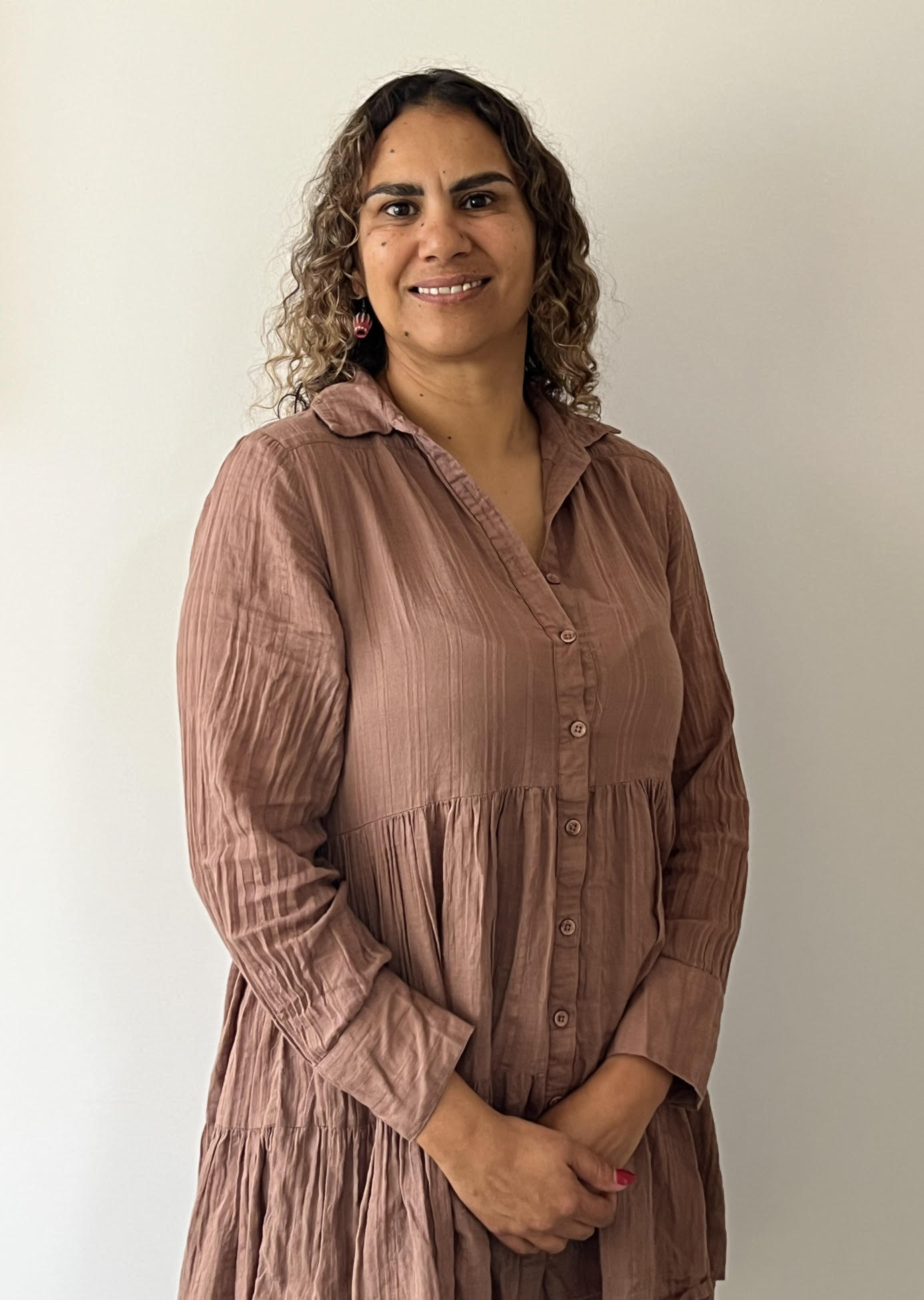
Ms Morgan-Whyman believes the partnership will be vital in establishing the technical infrastructure to measure and understand the complexity and impact of their culturally responsive services. She explained that current data systems often fall short in capturing the multidimensional nature of their work, particularly in addressing the outcomes that matter most to First Nations women and children.
"As an Aboriginal community-controlled organisation, we bring unique insights into developing metrics that align with Aboriginal ways of understanding wellbeing and safety," she said.
For Elizabeth Morgan House, this evidence-driven practice is central to their work.
"This initiative strengthens our capacity to collect, analyse, and use high-quality data that truly reflects the experiences of our community. With stronger measurement systems, we can better identify emerging trends, evaluate program effectiveness, and implement continuous improvement processes that enhance outcomes for the women and children we support."
"Ultimately, I'm hopeful this program will create a data ecosystem that supports innovation, highlights effective practices, and demonstrates the value of Aboriginal-led approaches through rigorous evidence," Ms Morgan-Whyman said.
Louise Simms, Safety Measures National Program Director, echoed the importance of inclusive and culturally informed perspectives when looking towards systemic solutions.
"Women's, Aboriginal people's and other diverse voices and experiences are too often left out of what is considered relevant as evidence. These voices – of people who have experienced domestic and family violence, of people who have sought support from the service system, and of people working in that system to prevent and respond to this violence – must be centred in any analysis if it's going to lead to meaningful outcomes," she said.
"Non-Aboriginal organisations have a responsibility not only to recognise the ways they uphold colonial structures, but to actively centre Aboriginal perspectives and leadership in all efforts to drive transformative change."
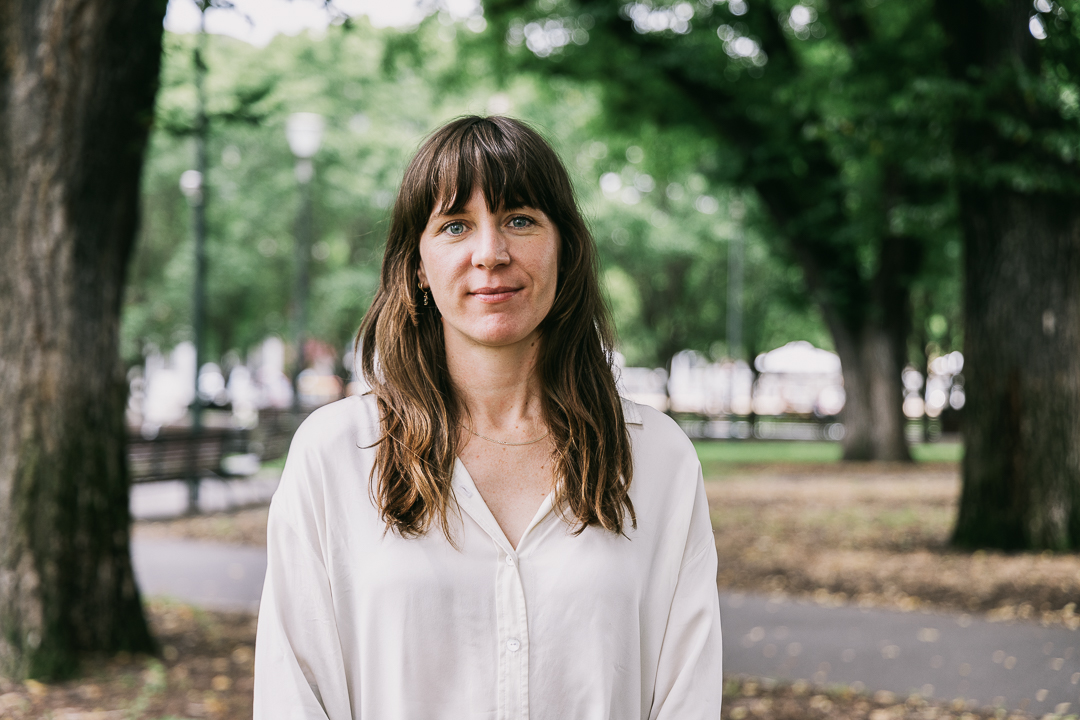
She emphasised the need for First Nations representation in the program.
"Aboriginal women's leadership is critical to this partnership, not just to make systems and services more accessible for Aboriginal and Torres Strait Islander people, but for everyone," Ms Simms said.
"We're excited to have this opportunity to come together across communities, sectors and jurisdictions to better understand the system's challenges and to unearth solutions."
More information about the partnership is available online.
Need Support?
If you or someone you know is experiencing domestic or family violence, contact:
1800RESPECT: 1800 737 732
13YARN (for Aboriginal and Torres Strait Islander people): 13 92 76



