




Legislation to formally establish a national advocate for Aboriginal and Torres Strait Islander children and young people is expected to pass the Senate this week, though debate over the role has once again exposed deep divisions across political lines.
The bill — introduced by Labor last month — will entrench the position of National Commissioner for Aboriginal and Torres Strait Islander Children and Young People as an independent statutory agency, backed by $33.5 million over four years and ongoing annual funding of $8.4 million.
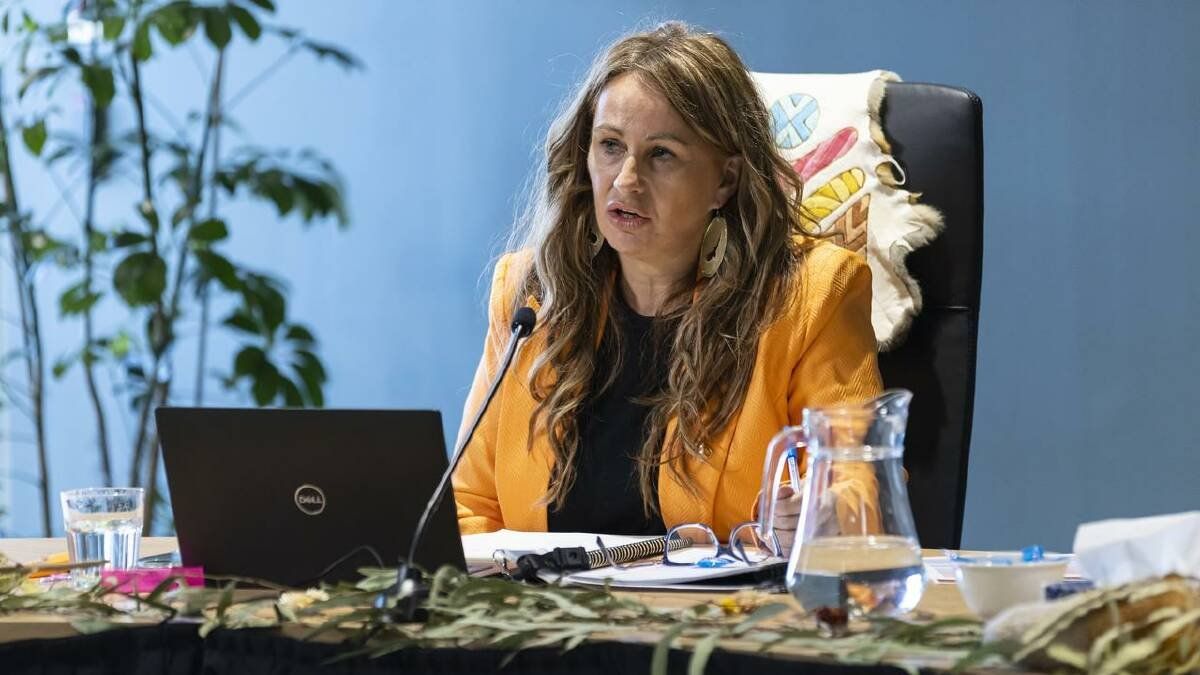
Wurundjeri and Ngurai Illum Wurrung woman Sue-Anne Hunter was appointed to the role last year as its first full-time commissioner, and the legislation will formalise and permanently fund the position.
The role has long been called for by sector advocates and has the support of the Greens, ensuring its likely passage through the Senate. However, the Coalition opposed the bill in the lower house during the final days of Sussan Ley's leadership.
During debate in the upper house on Monday night, senators offered sharply differing views on whether the new body would improve outcomes for Indigenous children.
Senator Jacinta Nampijinpa Price criticised the legislation, arguing it would add bureaucracy without delivering real change.
She renewed calls for a Royal Commission into sexual abuse in remote communities — routinely labelled as unnecessary by those in the sector — and argued the financial outlay won't change the trajectory of Indigenous children. Instead, she said "only practical, localised action will" and claimed the government is "prioritising symbolism over practical action".
"The reality is that this government and those whose lucrative salaries within the Indigenous industry depend on the taxpayer dollar sing from the same songbook," she said.
The conservative NT Senator also argued the requirement for the commissioner to be of First Nations background amounts to "segregation," and questioned the effectiveness of the role.
She claimed there is no evidence the commissioner's background would help close the gap, "especially when we know that such a symbolic position is usually occupied by an individual completely removed from the circumstances of children living under the confines of traditional culture and customary law".
"The bill does not detail how the commissioner has a unique power to speak directly to children," she said, "and in my experience, there has never been an appetite for this government and its supporters in the Greens and some of the crossbenches to speak to child and women victims of cultural practices that deny their human rights".
View this post on Instagram
Commissioner Hunter, who previously played a key role in Victoria's Yoorrook Justice Commission, has also been heavily involved in the sector through previous work with the peak body for First Nations children, SNAICC. National Indigenous Times has spoken to multiple experts across the sector, all of whom have been quick to praise her past work and credentials.
SNAICC chief executive Catherine Liddle last month described the role as a "true accountability mechanism to ensure governments follow through on their commitments to our children and families".
Social Services Minister Tanya Plibersek said the commissioner would, for the first time, provide Indigenous children and young people with an independent national advocate.
"Someone who will engage directly with them, listen to their experiences, and raise their concerns and priorities with governments," she said.
Aboriginal and Torres Strait Islander children remain significantly over-represented in areas including out-of-home care, early childhood development, incarceration and education outcomes — especially in remote areas — with ongoing debate about how best to address those disparities.
Senator Price reiterated her concerns about government approaches, arguing Labor is not "interested in the causes that lead to suicide, higher rates of youth detention or developmental delays in education".
"This government and their big bureaucracy aren't interested in why the gap is widening," she said.
"The truth is that $30 million plus and a sparkling new children's commissioner designed to make this government appear to be doing something are yet another waste of taxpayer dollars that will not improve the lives of Indigenous children in this country."
View this post on Instagram
Independent Senator Lidia Thorpe offered cautious support for the legislation, saying the role could help elevate long-standing issues affecting Indigenous children.
"For decades, our children and young people have suffered not just from political inaction but from being weaponised for political agendas," Senator Thorpe said. "We are seeing this play out with terrible consequences in the tightening of youth justice laws in states and territories across the country."
She criticised the lack of follow-through on past inquiries, describing the ongoing removal of Indigenous children as a "slow and sophisticated genocide of our people".
"There is no national monitoring or oversight of implementation of recommendations" from major reports, she said, citing the 1997 Bringing Them Home inquiry.
"The calls from our people and the calls that I continue to make in this place are ignored. This must be something the National Commissioner for Aboriginal and Torres Strait Islander Children and Young People can elevate and pursue as part of their role."
The Victorian Senator, who has been highly critical of the government's failure to close the gap, said that whilst she believed Commissioner Hunter was committed to the role, she would not tolerate failures.
"Someone has got to look at the recommendations, surely," she said. "I have had conversations with the current commissioner, Sue-Anne Hunter, and this seems to be part of the thinking —which I am grateful for — but I'll be watching."



