




The federal government will move to entrench an independent national advocate for Aboriginal and Torres Strait Islander children and young people in law, alongside new funding, as worsening outcomes across the country highlight persistent failures to meet numerous Closing the Gap targets.
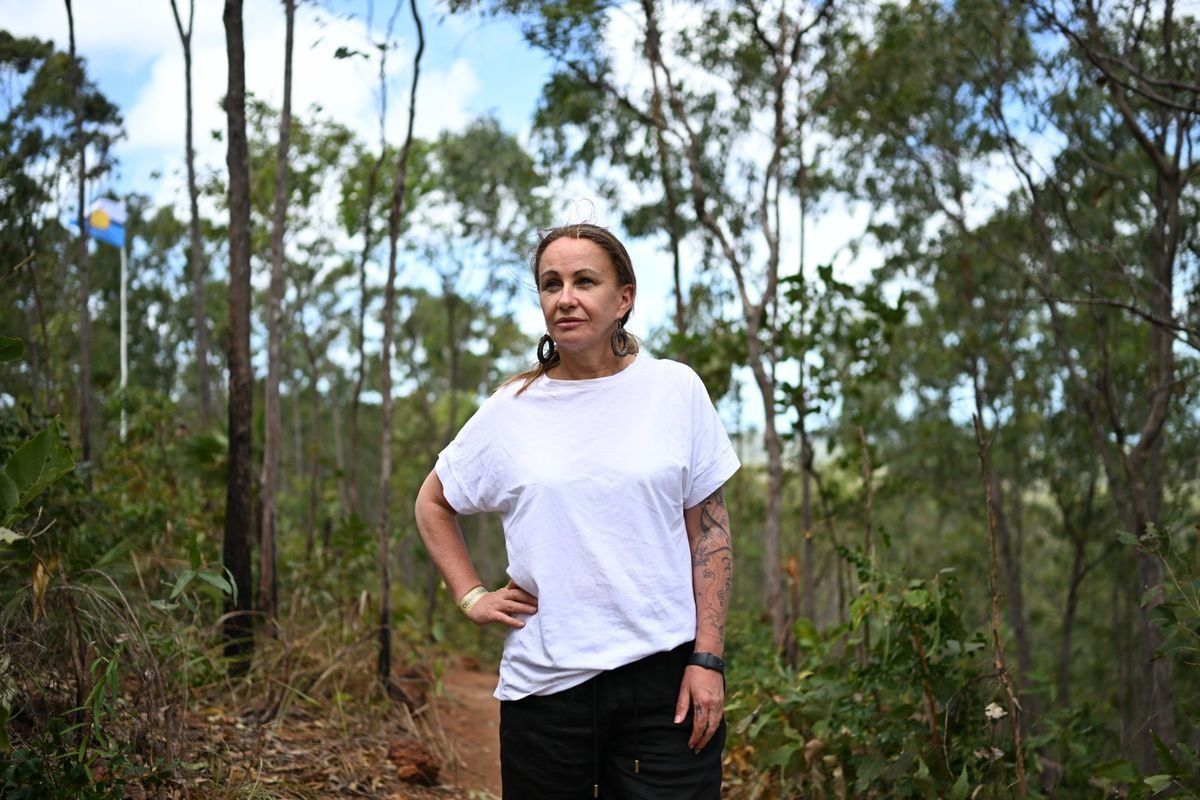
Last year, Wurundjeri and Ngurai Illum Wurrung woman Sue-Anne Hunter became the first full-time National Commissioner for Aboriginal and Torres Strait Islander Young People, and the new legislation will formalise the role.
It will be supported by $33.5 million over four years to establish the independent position as a permanent statutory agency and fully fund its operations. An additional $8.4 million annually will be provided on an ongoing basis to maintain the Commission's work.
Commissioner Hunter, who previously played a key role in Victoria's Yoorrook Justice Commission — the country's first truth-telling inquiry — described the legislation, which National Indigenous Times understands will be introduced into the lower house on Thursday, as a "historic moment".
First Nations children are 27 times more likely to be in youth detention than their non-Indigenous peers and 10 times more likely to be in out-of-home care (OOHC). The Commissioner argued that those children and young people have for too long been "spoken about but not listened to".
"After years of advocacy by communities and organisations, this legislation establishes a dedicated, independent national voice and opens the door to real reform," she said.
"This legislation establishes a dedicated, independent National Commission because our children are not statistics; they are our future, and their voices must be embedded in the systems and decisions that affect their lives."
Catherine Liddle, CEO of SNAICC - National Voice for our children, who has long advocated for the position, said legislating the role marked a significant milestone for Aboriginal and Torres Strait Islander communities and the community-controlled sector.
By embedding the role in law, Ms Liddle said the Commissioner will be able to "finally serve as it was always intended — a true accountability mechanism to ensure governments follow through on their commitments to our children and families".
It backs in the work of Commissioner Hunter, she said, by giving her the "independence, authority and statutory powers needed to drive accountability and systemic change".
"This isn't just a title, it's a force for true change," Ms Liddle said.
"Two years after the announcement of the role, this legislation ensures our children now have a fearless advocate who can act independently, with the authority of the law behind her."
%20(1).jpg)
The government said the Commissioner will have powers similar to other Commissioners, Guardians and Advocates — including the ability to conduct inquiries, make recommendations, undertake research and education, and advocate publicly — but will be the only national office solely focused on Indigenous children and young people.
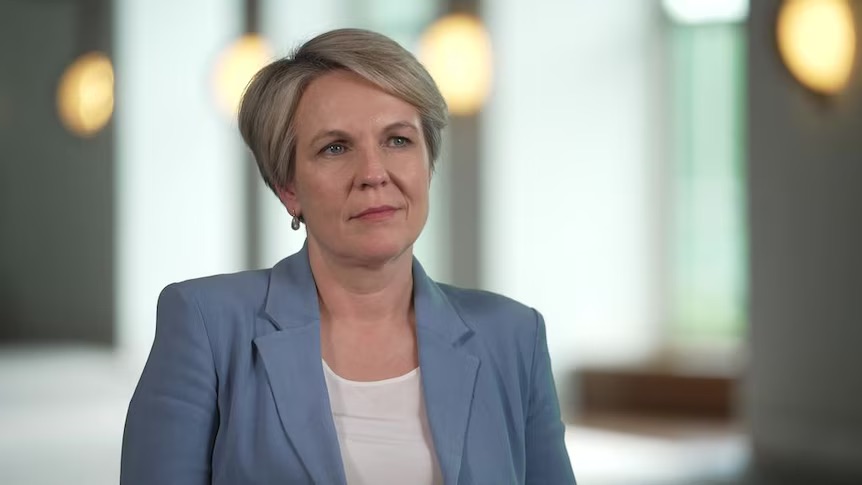
Social Services Minister Tanya Plibersek said every child "deserves the chance to grow up connected to their family, community, culture, and Country". Referencing Closing the Gap data, she added: "The system is failing too many children. We need to turn that around."
"Today's announcement means for the first time Aboriginal and Torres Strait Islander children and young people will have an independent advocate at the national level," Ms Plibersek said.
"Someone who will engage directly with them, listen to their experiences, and raise their concerns and priorities with governments."
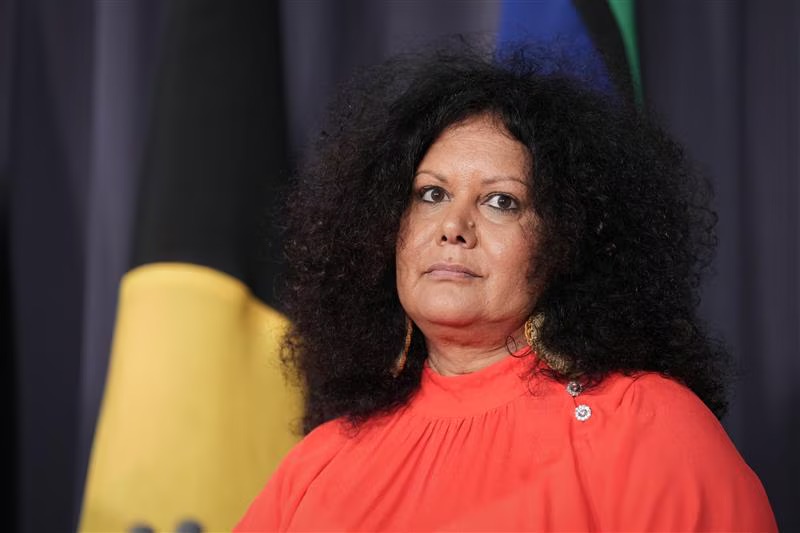
Minister for Indigenous Australians, Malarndirri McCarthy, said the role is critical to safeguarding the rights of Indigenous children.
The Yanyuwa Garrwa woman said the new legislation "gives the Commissioner the powers necessary to advocate for and advance the interests of Aboriginal and Torres Strait Islander children".
"This legislation further delivers on the Albanese Government's commitment to establish a dedicated, independent and empowered National Commissioner to advocate for Aboriginal and Torres Strait Islander children and young people,' she said.
The reform comes amid tougher youth justice laws nationwide. Governments of both major parties have introduced measures that have driven up youth incarceration, while the United Nations Human Rights Council recently raised concerns about Australia's "very low age of criminal responsibility".
In Victoria and Queensland, children can face life sentences under new laws, and stricter bail settings in several jurisdictions have increased time spent on remand. In the Northern Territory, some children aged between 10 and 14 have reportedly spent more than 200 days on remand.
Commissioner Hunter said legislation "gives us the authority and independence we need to push for real progress for our children and their communities," arguing the work of the Commission is "urgent".
"For too long, little happens when there is slow progress on commitments made to our children," she said. "This Bill clearly outlines how the National Commission can drive greater accountability for the systems supporting our kids and community."



