



Eliana received a hurried phone call from her brother inside Hakea Prison in Perth — Western Australia's largest remand facility — on Monday, February 16.
He told her the prison had been in lockdown for days — and he did not know when he would be allowed to call home again.
According to Eliana, prisoners spent three consecutive days confined to their cells for 23 hours.
Over the following four days, men were briefly released only to make short phone calls before being confined again for most of the day.
A prison lockdown is a security measure that confines prisoners to their cells for prolonged periods, limiting access to fresh air, recreation, visits and rehabilitation programs.
"We're told the lockdowns are due to staff shortages, but these lockdowns are stripping my brother of basic daily entitlements like showers, family visits and access to sunlight." Eliana said.
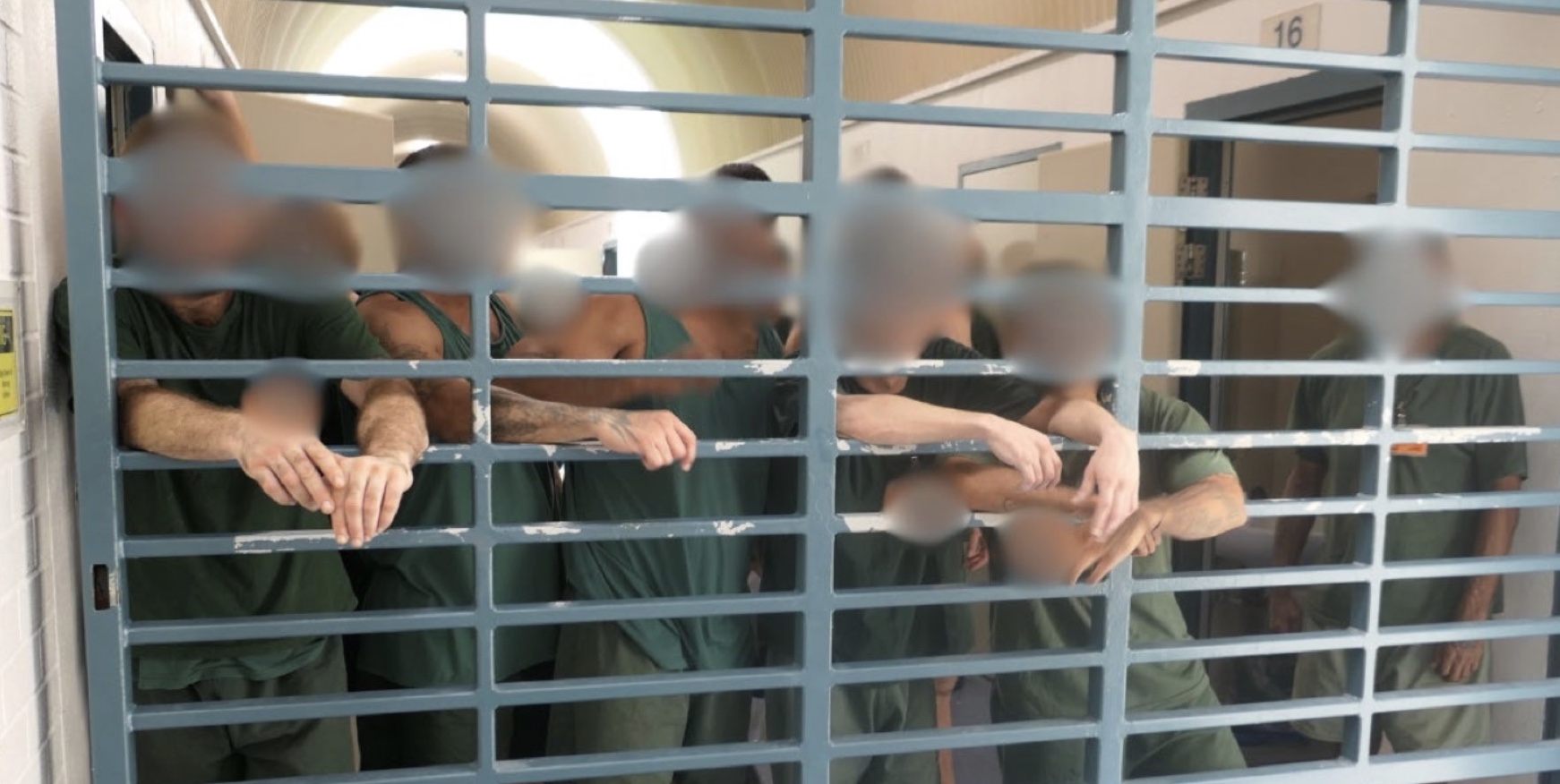
Concerns about prolonged confinement at Hakea are not new.
Last year, a follow-up report by Inspector of Custodial Services Eamon Ryan found conditions at the prison remained "entirely unacceptable", nearly a year after a 2024 inspection raised concerns prisoners were being held in inhumane conditions.
The 162-page report found staff shortages had led to frequent lockdowns keeping men confined for long periods with limited access to fresh air, showers and recreation.
The findings also uncovered overcrowding, with some prisoners sleeping beside toilets, and said men faced "immense difficulty contacting family", raising compliance concerns under the Prison Regulations 1982.
Mr Ryan told the National Indigenous Times conditions at Hakea "have probably got worse" since his last report.
"I am aware that there have been recent staff shortages that have caused increased restrictions and lockdowns, which is terrible," Mr Ryan said.
Consistent lockdowns undermine rehabilitation, he said.
"When the regime is like that, it's just a warehouse. It's just holding them in prison," he said.
"Rehabilitation is simply not happening when they're only getting out to their cell for one or two hours a day."
The Department of Justice responded, saying in part: "Average out-of-cell hours at Hakea, including recreation time, have increased since November 2024 and, subject to disruptions, social visits are running five days a week with no significant backlog.
"Even during recent adaptive routines, all prisoners have had access to phones and have not been confined to their cells for 23 hours, over a consecutive three-day period," a spokesperson for the Department of Justice said.
However, confinement - families say - is only part of the impact.
Even inside locked cells, they say, access to basic medical care can become uncertain.
Loretta's partner — a Noongar man — was born with a congenital heart defect and requires regular specialised antibiotics.
Earlier this month, during what she described as a severe cardiac episode, he struggled to breathe while locked in his cell.
She said he repeatedly pressed the in-cell intercom used to request medical assistance.
Initially he was responded to by prison staff and received medical attention.
Following that initial treatment, she said he pressed the cell-call system again when his symptoms worsened but received no response, leading him to believe the intercom had been turned off.
"He started panicking. He thought he was going to die in there," she said.
The Department of Justice said it had reviewed Hakea Prison records and maintained that medical incidents are responded to promptly, with appropriate medical assistance provided.
However, families say men inside are fearful and largely at the mercy of the system.
Hakea staff have contacted Loretta regarding his heart condition, questioning its permanence. She says the tone of those calls suggested disbelief.
"If someone's got heart problems, work on it straight away, don't try and see if they are lying," Loretta said.
"When they ring me and ask these questions, I say excuse me, look at his hospital records. He has had heart problems since he was a baby."
Her partner's ongoing health issues are compounded by the couple's inability to stay in contact, with lockdowns preventing him from making phone calls or receiving visits.
"It makes me emotional because I know what he goes through, but I can't feel his pain and be with him," she said.
"If something does end up happening to him, I will be making the prison accountable."
For many Aboriginal families, those fears are shaped by history.
Western Australia has one of the highest rates of Aboriginal deaths in custody nationally.
Several of those deaths have occurred at Hakea Prison.
In August last year, a 38-year-old Aboriginal man was found unresponsive in his cell.
Authorities said preliminary reports indicated he may have suffered a medical episode.
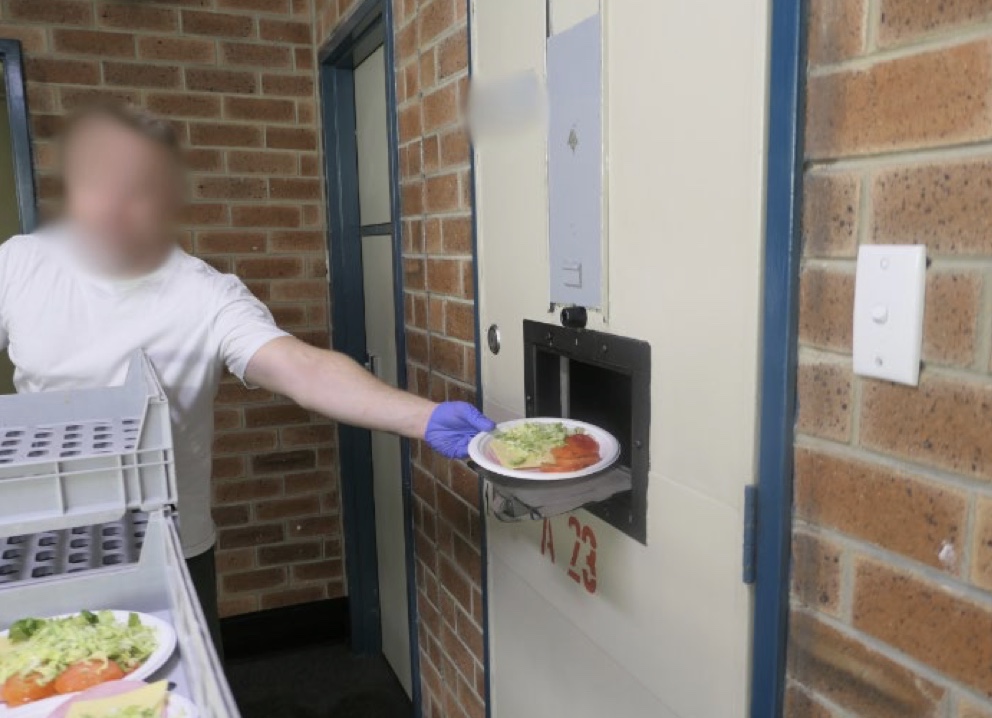
In October last year, a 30-year-old Aboriginal man died at Hakea Prison.
Authorities said the death was not considered suspicious.
Robyn, a Noongar woman whose relatives and friends have been incarcerated at Hakea, said many families live with fear about what happens behind the prison walls.
"When our kids go into custody, we expect them to come out good, having had time to learn from their mistakes," she told National Indigenous Times.
"But the ones that do come home, they come home very angry at the system, and they rebel in the community."
Robyn criticised what she described as broken government promises to improve outcomes for Aboriginal people, saying reform must begin inside prisons.
"This Government has aligned itself to fix a generation that they ruined right from the get-go," she said.
"They've made it clear that it wants to help Aboriginal people, when at the very core of it, it starts from the jails."
She claims current prisoners have told her that up to four men are sleeping in cells originally designed for two.
"It's heartbreaking," Ms Collard said.
The Department of Justice said "most cells at Hakea are built to accommodate multiple beds and there is bedding available for all prisoners - there are no General Living Unit cells accommodating more than three prisoners".
Prison reform advocate Megan Krakouer says the conditions described by families reflect deeper systemic failures within Western Australia's prison system.
"Rehabilitation is collapsing at Hakea," Ms Krakouer told National Indigenous Times.
"High rates of self harm, limited programs and chronic staffing shortages demonstrate that people risk leaving prison worse off than when they entered. This must end — the current path fuels cycles of trauma, suicide and injustice."
She described the failure to act on repeated watchdog reports as systemic.
"Premier Roger Cook and Corrective Services Minister Paul Papalia have been warned repeatedly by the prisons watchdog that Hakea is buckling under strain and inhumane conditions. Their failure to act decisively is not neglect — it's a systemic failure that endangers lives and fuels despair."
National Indigenous Times reached out to Mr Cook and Mr Papalia for comment and received responses from a State Government spokesperson.
In its response, the Western Australian Government said population growth and tougher laws were contributing to pressure on the system.
"Western Australia has the toughest family and domestic violence laws in the nation and the fastest-growing population, which has resulted in significant pressure on the prison system," the spokesperson said.
"The State Government is investing heavily to meet both immediate and long-term demand, with more than $435 million committed for major expansions at Casuarina and Acacia prisons, which is set to add almost 700 beds to the system. $4.7 million has also been allocated to long-term custodial infrastructure planning to future-proof the estate."
But the announcement of funding and investment means little to the family members of those in Hakea prison, hearing — albeit fleetingly — that conditions are worsening.
On Sunday, February 8, Eliana had to settle with contact with her brother via a Skype call. Her visit had been cancelled again.
The weathered figure that appeared on screen bore little resemblance to her family member.
"He just looked so pale," Eliana said.
"He looked psychologically and mentally unwell."
Eliana's brother is among more than 40 detainees whose complaints have been formally escalated by the Aboriginal Legal Service of Western Australia (ALSWA).
"For years, ALSWA and other organisations have warned the WA Government about the harsh and inhumane conditions at Hakea Prison," an ALSWA spokesperson said.
"Since December 2024, we have lodged formal complaints with the Commissioner of Corrective Services on behalf of more than 40 clients detained at Hakea. These complaints detail endemic overcrowding, relentless lockdowns, unhygienic conditions and inadequate access to mental and physical health care.
"As of February 2026, clients continue to report being confined to their cells for entire days or receiving only minimal time out.
"The Government's failure to resolve these ongoing lockdowns and inhumane conditions represents a systemic breakdown. ALSWA holds grave concerns that without urgent intervention there will be further deaths and serious unrest inside Hakea Prison."
Eliana hopes the ALS complaints lead to action.
The last time she saw her brother - through a computer screen - he looked into the camera and whispered: "I don't know how much more of this I can take."



