



The National Symposium on Unifying Anti-Racist Research and Action, hosted by QUT's Carumba Institute, brought together activists, scholars and community leaders to strategise against institutional racism.
Held at the Brisbane Convention and Exhibition Centre, the event fostered discussions on Indigenous sovereignty, systemic racism and solidarity across struggles.
Despite its focus on strategic anti-racist action, the opening event on Wednesday was overshadowed by a media leak that led to an article in The Australian, which framed the symposium as divisive.
However speakers at the event dismissed the controversy, reaffirming the importance of resistance and solidarity.
The Australian obtained details and published an article targeting specific speakers while portraying the gathering as controversial.
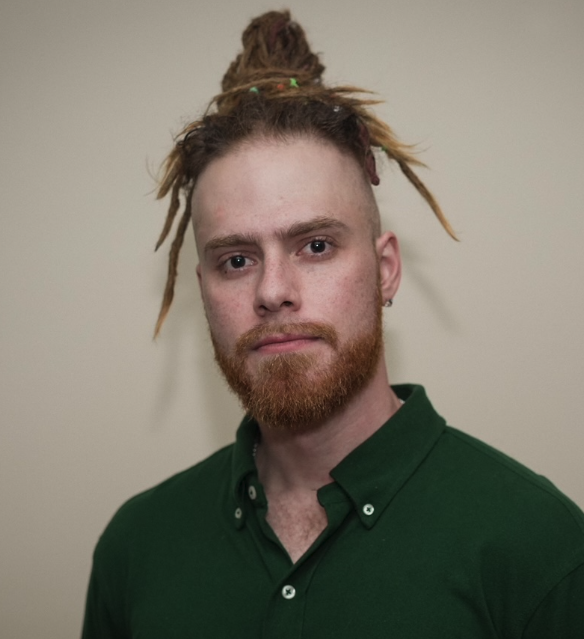
Darumbal and South Sea Islander woman, Dr Amy McQuire criticised the mainstream media's ongoing role in undermining Indigenous voices.
"I think it's disappointing that we still have these forms of violence enacted by media outlets... continually bashing Blackfellas and dehumanising Indigenous peoples all across the world," she said.
She framed the symposium as a space for Indigenous resistance, rather than one dictated by external scrutiny.
"In relation to this symposium, we're developing strategies, we're building relationships, we're fortifying networks in order to fight what... (these) newspapers embody—white supremacy at the heart of it," she said.
Djabwurrung, Gunnai, and Gunditjmara woman, Senator Lidia Thorpe took a more defiant stance, suggesting that the backlash reflected fear.
"Well, I think it's a good thing that the conference has made headlines," she said.
"It shows that the colony is shaking because of the minds and the bodies in this room, that's something to be fearful of."
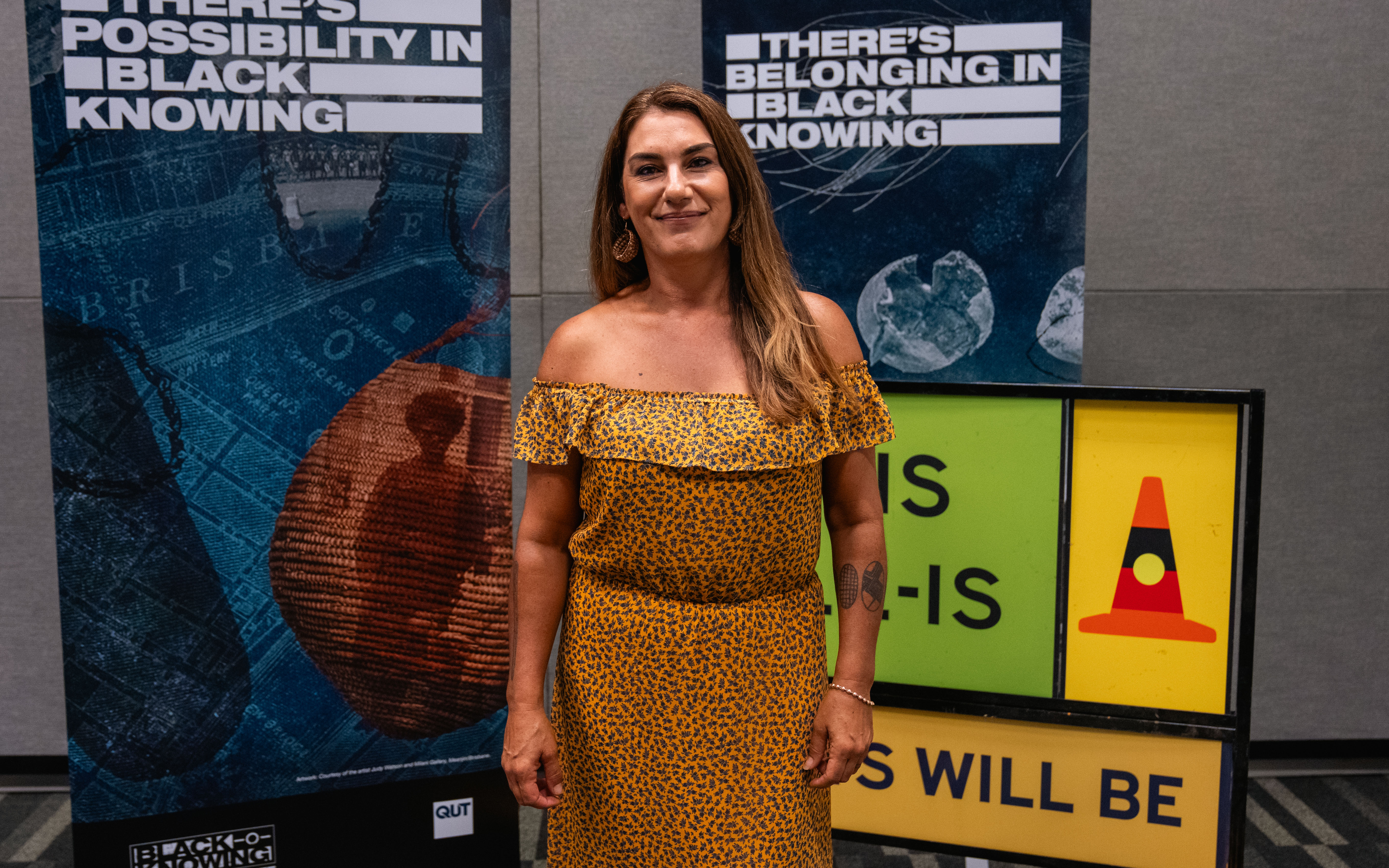
Senator Thorpe dismissed the article as a political tactic.
"Of course, the right-wing papers are going to run lines of lies," she said.
"That's how they sell papers. If they were to tell the truth… well, their readership isn't interested in the truth, nor is the Liberal Party, and nor is the government we have today."
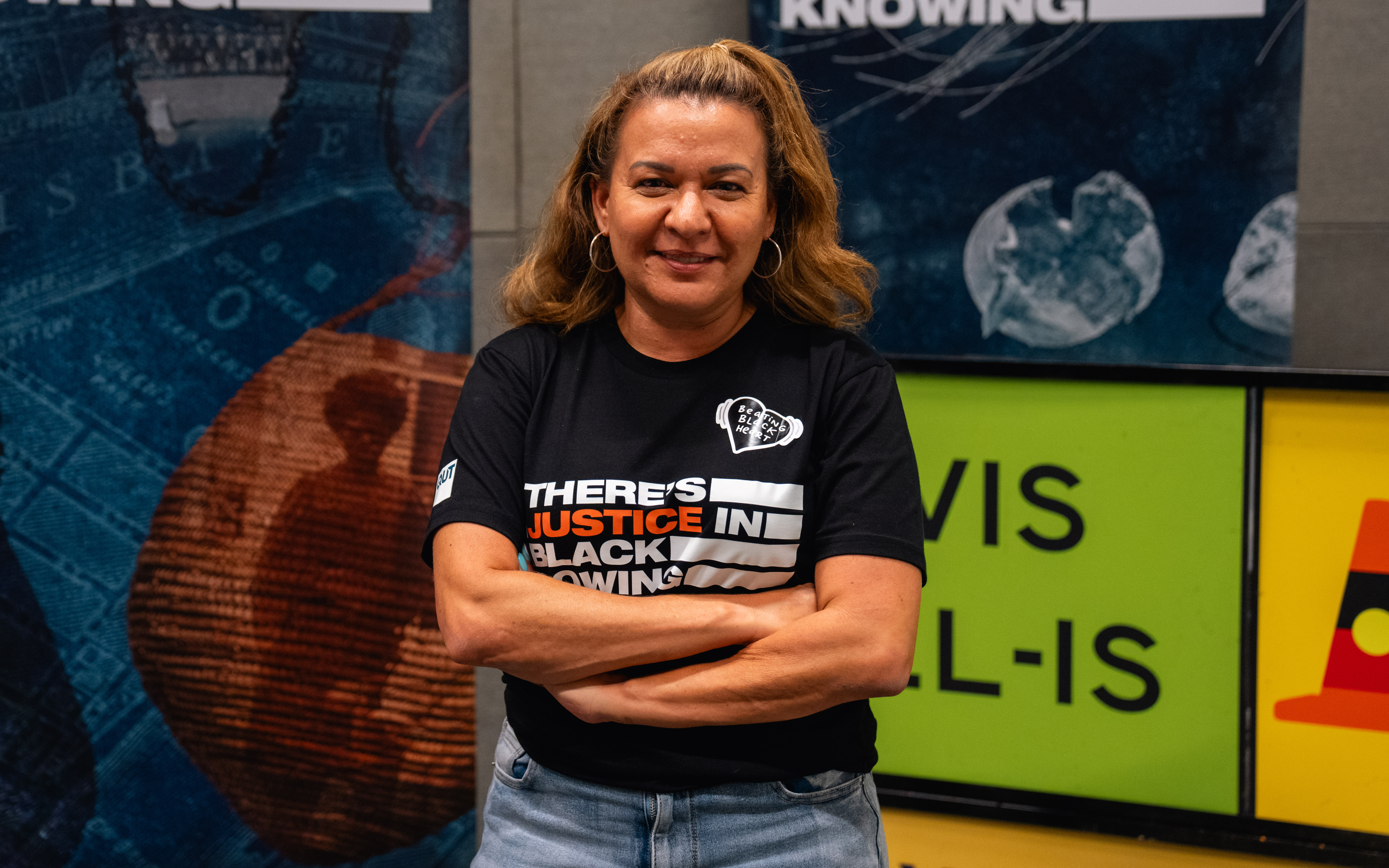
Mununjali and South Sea Islander woman, Professor Chelsea Watego framed the media backlash as part of a broader resistance to anti-racist work.
"The resistance we come up against in doing this work fuels the resistance," she said.
"This is not an event promoting hate speech.
"This is a project of love—a love for the people who have been denied the category of human."
The symposium's first session, Doing Harm or Doing Good: The Ethics of Anti-Racist Practice, questioned whether taking a radical stance alienates allies or strengthens movements.
Senator Thorpe described the urgency of unity among First Nations peoples.
"We need to maintain our resistance as First Peoples," she said.
"We need a treaty amongst ourselves.
"We can't be distracted by this colonial project that continues to divide us while they rape and pillage our land, take our children, and lock our people up."
Another key discussion, What Do We Want and When Do We Want It, focused on the fallout from the failed Voice referendum and the Queensland government's decision to abandon treaty and truth-telling processes.
Senator Thorpe called for self-determined Indigenous leadership beyond government-controlled processes.
"We need to unite and rid the racism, rid the division, and come to a place where everyone's safe," she said.
Dr Amy McQuire highlighted the role of independent Black media in shaping these conversations.
"The media has a role in entrenching the dehumanising representations of us as a people," she said.
"To counter that, we need a robust army of independent Black journalists.
Dr McQuire emphasised that building a strong Indigenous media sector was crucial to shifting public narratives.
"All the work we're doing is at the heart of the next generation," she said.
"When we think about strategies and solutions in the enduring fight, we're thinking not just about what it's going to look like next generation, but two or three generations ahead."
Theory Without Practice Ain't Shit, examined the relationship between academia and activism, questioning whether institutions were aiding or hindering anti-racism efforts.
Professor Chelsea Watego described the barriers placed on race research.
"In this country, we're okay talking about racism when it's about individual acts, bad apples, lone wolves," she said.
"But when we talk about racism as a structure of oppression, that's when institutions and politicians get anxious."
The Munanjahli and South Sea Islander woman challenged the perception that race research is political rather than academic.
"I wish the race researcher was treated like the cancer researcher, where we decide that we invest all of our energy, our most intelligent people, to fight this thing," she said.
She also reflected on the significance of intergenerational knowledge-sharing, saying that elders at the symposium played a crucial role in guiding younger activists.
"They have held us in this event, sharing their war stories, their wounds, and their wins."
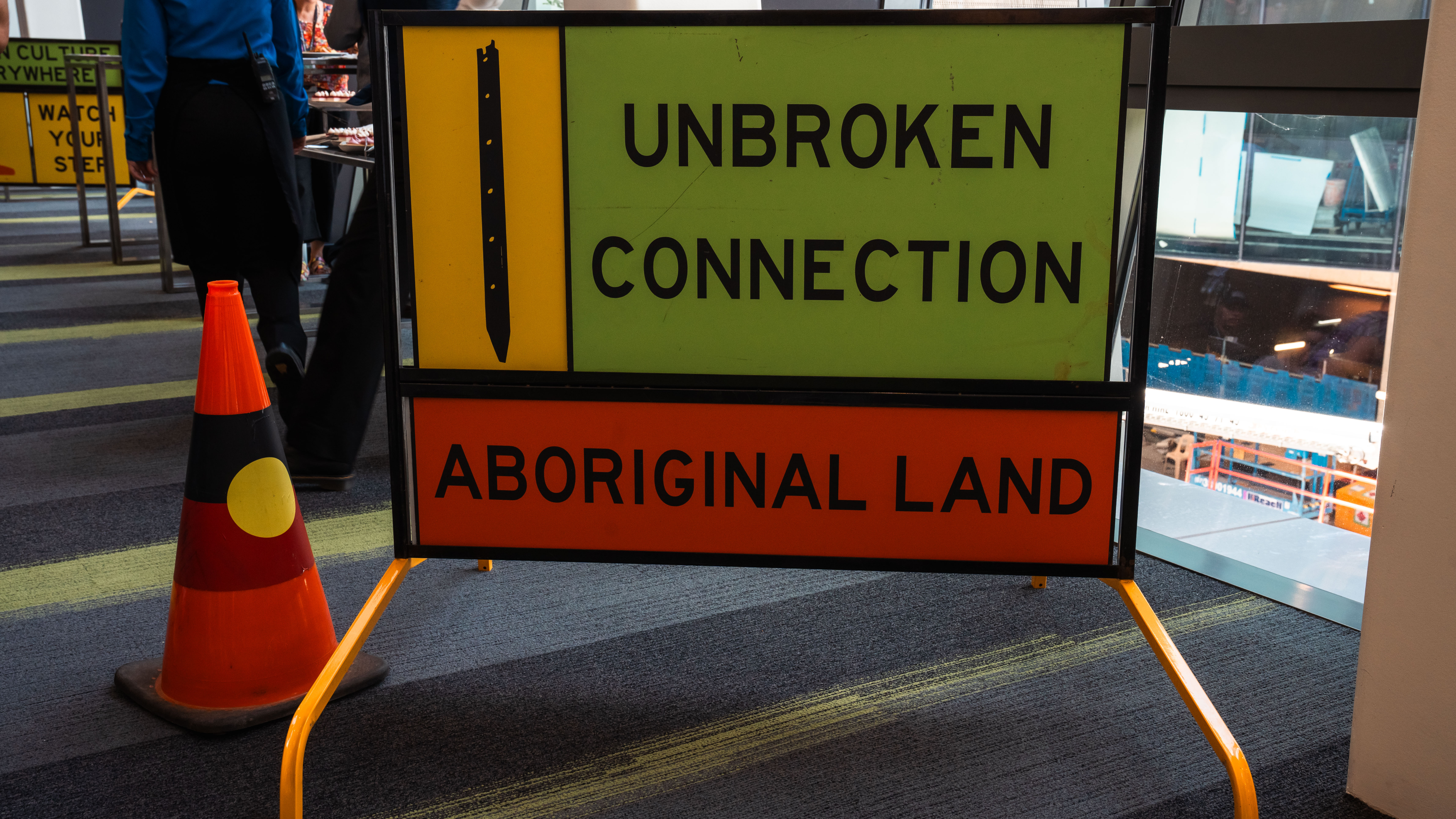
Looking Ahead: Day Two and the Path Forward
Day two will continue with discussions on sustaining anti-racist work, with sessions focusing on:
What is Success in Anti-Racism Work, which questions how activists measure progress in a world where racial violence continues.
Burn It Down or Reform It, which examines whether racist institutions should be dismantled or changed incrementally.
Strategies for Staying in the Fight, which explores the mental, emotional, and personal toll of anti-racist activism.
As the symposium continues, speakers remain committed to fortifying movements, strengthening networks, and pushing forward despite institutional resistance.
Professor Chelsea Watego encouraged attendees to look beyond the headlines and remain engaged in Indigenous-led movements.
"I encourage people, if you haven't turned up to a march or a rally, to turn up, find out what it's about, listen to the stories and the speakers," she said.
"While the media may cast Indigenous peoples as divisive, when you hear those yarns, you'll hear Blackfellas speak, appealing for a coexistence that is not based on our erasure as First Nations peoples."
As January 26 approaches, the symposium serves as a reminder that anti-racist work continues, despite the resistance it faces.



