


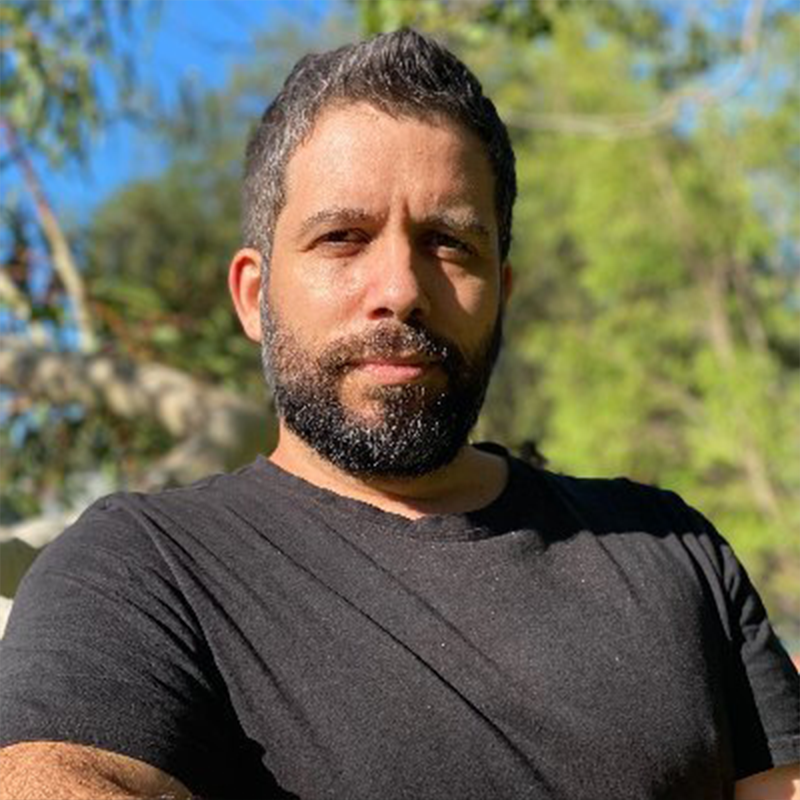

The recent National Asbestos Awareness Week saw experts stress the importance of proper handling of asbestos, particularly in remote communities and other areas in which older, more mobile building materials may be prevalent.
Associate Professor Rick van der Zwan, from Southern Cross University, who works with the Asbestos and Silica Safety and Eradication Agency (ASSEA) on Indigenous projects, told National Indigenous Times some of the challenges remote communities face make them more vulnerable to the risks of asbestos.
"If there are houses in (any) communities built before 1990 at least one in three of those houses will probably have asbestos somewhere in it. And the thing that everyone needs to be aware of, is that asbestos came in many forms during that time. So, there were obviously things like asbestos sheeting that was used for things like walls and roofs and fences… (but) also used in things like vinyl floors, in adhesives, in paint, in lots of electrical components, and, you know, the power boards in homes, they're often have got asbestos in them, insulation and even putty. So, there were heaps of products with asbestos in it," he said.
"The problem we have in all communities is that those asbestos products that are in place are now getting old, they're at least 30 years old, and could be as old as 100 years, depending on the on the infrastructure in place. And those products aren't designed to last that long, so the asbestos products that are in homes are starting to deteriorate, and that represents a significant risk, because asbestos fibres are problematic when they become airborne, because then we can breathe them in, and when you breathe them in, that's when you present yourself with a risk.
"So, remote communities with older housing stock have that risk. And of course, the problem for remote communities is that the solutions that are in place at the moment for metropolitan areas or more built up areas are not as readily as available.
"The thing we say to homeowners and home buyers, and do it yourself, fixer uppers, you know, people who are doing work in their own homes, is to get your property assessed properly. If your home is built in 1990 or earlier, get an asbestos assessor in, get them to have a look through your place and identify any asbestos that may be there.
"But of course, if you're living in a regional or remote community, the problem that you have is that getting access to those qualified, qualified people is very, very difficult. And, even if you can get a qualified person, then getting a licensed asbestos remover is equally as difficult, and then having that remover be able to relocate the asbestos to an accredited disposal facility rather than illegally dumping it, that becomes problematic as well.
"So the thing we're aware of is remote communities have got the same problems and the same challenges and the same risk as every other community in Australia, but they're confronted with those really substantive problems of having accredited inspectors, having accredited removers, and the problem around legal disposal."
Associate Professor van der Zwan told National Indigenous Times ASSEA is working on ways to enable remote communities to "work with their local jurisdictions, so their state and territory governments, to build pathways that will enable people to have confidence that they can get an assessor in, and have confidence that the asbestos, any asbestos identified, will be safely removed".
The professor noted that identifying and diagnosing asbestos-related illnesses in a timely way remains an important and challenging exercise for remote communities.
"One of the challenges with asbestos related illnesses is that they're not always obviously asbestos related. So, for example, something like malignant mesothelioma, that's directly attributable to asbestos disease. But, your clinicians need to be able to diagnose that. They need to be able to take a proper medical history which could identify points of exposure, and then they need to be able to ask for the right pathology tests to identify the issue," he said.
"Of course, asbestos doesn't just cause mesothelioma. It can cause other types of cancer… It can even cause ovarian cancer, and some of those cancers will present. And clinicians, if they're not aware of the risk, may you know, if it's lung cancer, then there's lots of things you know. We know smoking, for example, increases the probability of lung cancer and laryngeal cancer and ovarian cancer… and asbestos is not on the top of everyone's mind if you've got ovarian cancer.
"So, one of the things that may be happening, and we don't know this for sure, but access, access to effective clinical diagnoses is a challenge. You know, these remote communities are already isolated, and then they've got to access those active healthcare services. So, one of the things we do is work with some of our partners, other organisations to make sure clinical guidelines are up to date and that clinicians have got access to training and awareness of the need to keep in mind that asbestos might be a vector for some of the illnesses that they're seeing."
ASSEA is calling on all Australians to understand the growing dangers of ageing and deteriorating asbestos.
Despite a complete asbestos ban more than 20 years ago, an estimated one in three homes across Australia still contain asbestos.
"ASSEA's Chief Executive Jodie Deakes said asbestos was used in over 3,000 building products, and it can show up inside and outside, in floors, walls, ceilings, eaves, pipes and roofs.
"Asbestos cement roofs are particularly concerning, as they are in the poorest condition, having been directly exposed to years of sun, wind, rain and hail. Heavy rains can wash fibres into guttering, contaminating surrounding areas," said Ms Deakes.
"In contrast, asbestos eaves may be in better condition as they're more protected, but they are not risk-free, especially when damaged or disturbed."
Barry Robson from the Asbestos Diseases Foundation of Australia, said anyone thinking about doing home renovations, must ensure they get the professionals in.
"There isn't a hole big enough in Australia to bury all of the asbestos in it," he said.
Tragically, around 4,000 Australians die each year from asbestos-related diseases.
Professor van der Zwan reinforced that anyone who suspects they have asbestos in their home to leave it alone and get trained professionals to deal with it.
"Even if it might take a bit of time to get someone to come and have a look at it or confirm that it is asbestos," he said.
"As soon as you start to touch it, you create fibres and you breathe fibres in, that's risky… If you've got young people around, they're the ones most at risk. So, young families who want to do some renovations with kids running around, that's a real, real risk for those young people.
"Take a very conservative approach. And whatever you do, don't ever pressure clean something that might be asbestos… don't pressure clean an asbestos fence, because all you do is spread asbestos fibres, not just in your place, but around the neighbourhood, and again, you know, for families, that's a real challenge."
For more information, please visit www.asbestossafety.gov.au.



