


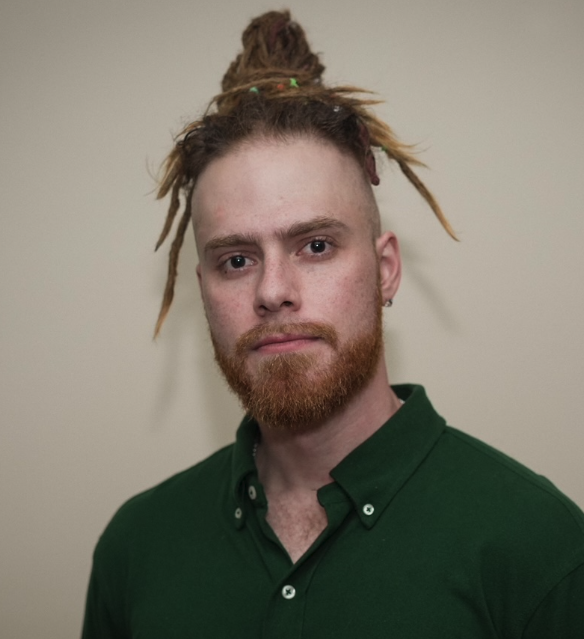

Palawa man Dylan Hyatt-Jacobson drew on his psychology studies to endure 43 days in the Arctic wilderness on SBS's Alone Australia before a worsening back injury forced him to withdraw.
Living on Yuwi Country, the CQUniversity graduate entered the fourth season to test himself, but left with a deeper understanding of resilience and the importance of family.
Mr Hyatt-Jacobson enrolled at CQUniversity after leaving the Australian Defence Force, initially studying Paramedic Science before injuries prompted him to change direction.
"Unfortunately, partway through my third year, my doctors advised that my existing injuries and inflammatory condition might limit how long I could work operationally," he told CQUniversity.
"I decided to follow my passion for psychology instead, and CQUniversity made the transition to that degree incredibly easy."
Mr Hyatt-Jacobson graduated with a Bachelor of Psychological Science (Honours) and received a Diploma of Health Science recognising his completed paramedic studies.
Now working in the domestic and family violence sector, he supports young people and develops programs alongside local Elders and government partners.
Alongside six years with a Domestic and Family Violence High Risk Team, he volunteers as a search and rescue tracker with Queensland Remote Area Tracking.
The psychology degree provided a foundation for his work and helped him navigate personal challenges, including those faced during the competition.
Joining Alone Australia also offered an opportunity to show his son, Jensen, how mental health skills could help in difficult circumstances.
"I wanted to challenge myself in an extreme environment, gain perspective and come away with a deeper understanding of myself and my connection with this Earth," Mr Hyatt-Jacobson said.
"But I also wanted my son, Jensen, to one day see his dad putting everyday mental health skills into practice."
Years of wilderness preparation helped him survive, while psychology helped him adapt, learn from mistakes and manage uncertainty.
"Self-reflection and metacognition, thinking about how you're thinking, helped me learn from mistakes, adapt to my environment and recognise unhelpful self-talk before it took over," Mr Hyatt-Jacobson said.
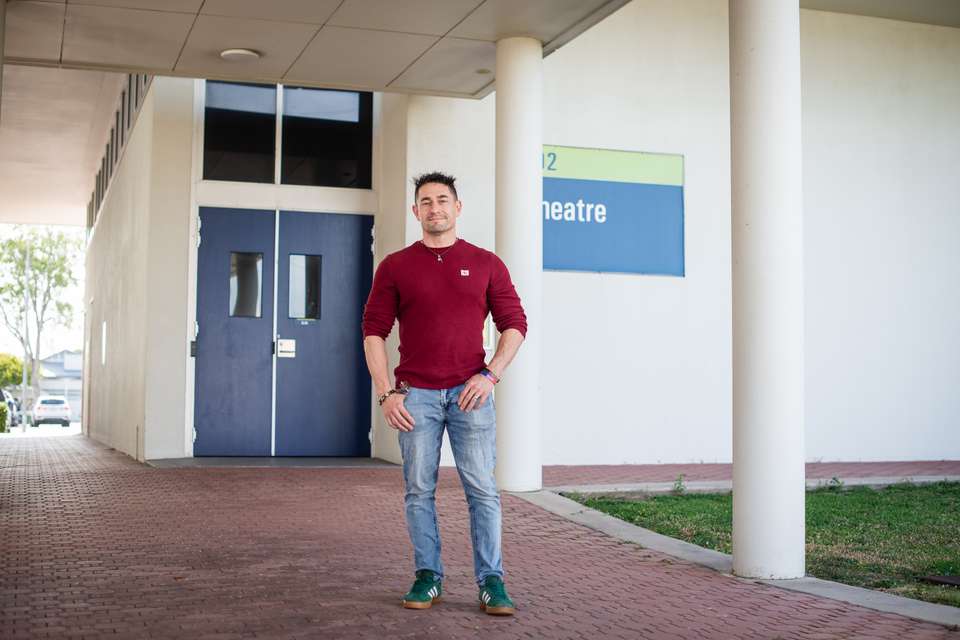
Despite freezing temperatures, hunger and daily dangers, separation from family and friends proved the hardest challenge.
"Humans are social creatures, and no amount of bushcraft can replace the connection and comfort of the people you love," Mr Hyatt-Jacobson said.
"Being separated from my family and friends was harder than the physical hardships and daily dangers."
Starvation sometimes left him fighting the temptation to eat food that could poison him, while his back injury brought feelings of helplessness.
Those experiences reinforced the importance of compassion towards people facing pressures that others cannot see.
"It reminded me that people carry invisible burdens every day, often far heavier than others realise," Mr Hyatt-Jacobson said.
"It reinforced how important it is to show kindness to ourselves and others, especially when we're struggling."
After 43 days, his deteriorating back made continuing unsafe, with concerns about collecting water and the risk of a spasm while kayaking.
Returning to his family became the priority.
"As difficult as it was to leave, I had to make a decision that prioritised my safety," Mr Hyatt-Jacobson said.
"I needed to come home to my wife and son."
His withdrawal reinforced that resilience could also mean recognising his limits.
"Being resilient doesn't always mean pushing on," Mr Hyatt-Jacobson said. "Sometimes it means recognising when it's time to stop."
With a daughter on the way, his focus is now on his family.
"We're about to welcome our daughter and grow our family, so my priority right now is being the best dad and partner I can be," Mr Hyatt-Jacobson said.
Alone Australia Season 4 is available to stream via SBS On Demand.



