


Rheumatic Heart Disease and Acute Rheumatic Fever are diseases that have taken the lives of many Indigenous youth living in remote communities, but it is preventable.
Documentary 'Take Heart: Deadly Heart' explores how Aboriginal and Torres Strait Islander people suffer Rheumatic Heart Disease (RHD) at rates 60 times higher than Non-Indigenous Australians.
The issue was brought to the attention of politicians in Canberra in 2016 with the release of the first short film "Take Heart", that followed three Indigenous children who suffer from RHD.
At least 100 young Aboriginal and Torres Strait Islanders are lost to RHD every year and that figure is likely to be underestimation.
The film provides insight into how the children live with the disease and how the majority of them end up needing multiple heart surgeries.
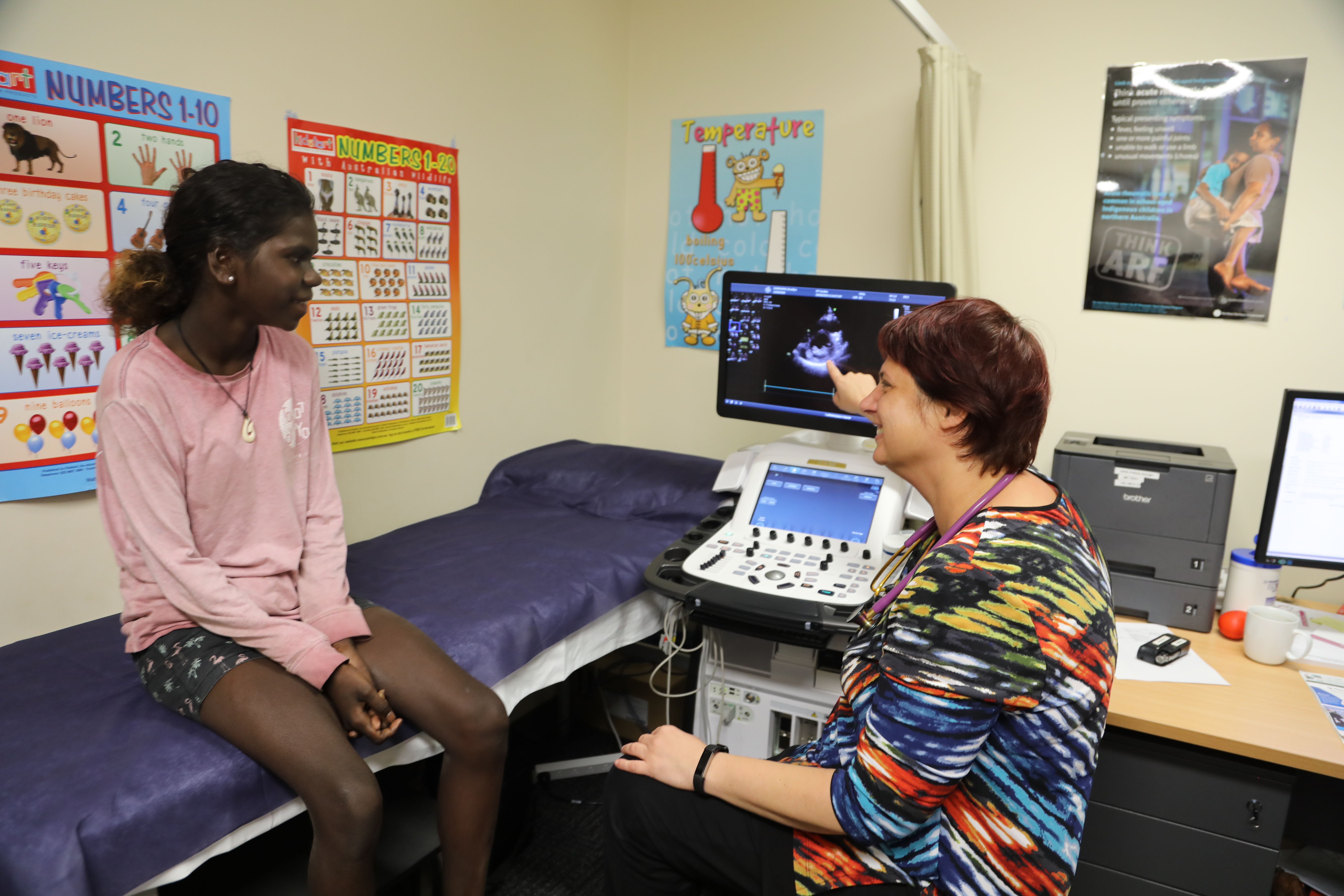
Vicki Wade, a proud Noongar woman from the South West of WA, is a First Nations heart health lead with the Heart Foundation and previously held the director role for Rheumatic Heart Disease Australia.
"Particularly Rheumatic Heart Disease…It has been eliminated in every other country, in every other developed country except for Australia," she said
"Up to 90 percent of all cases are Aboriginal and Torres Strait Islander people. It's still predominantly in remote communities and it's not going away…It's still there, young people- three year olds are being diagnosed everyday with this dreadful disease."
Ms Wade said that some of the factors behind RHD are poverty, living in crowded houses, not having adequate running water, and not having access to common cleaning supplies.
The biggest disadvantage is that remote communities are often a long distance from medical services. In regional Australia a nurse may travel out to the communities twice a week, however a doctor may only visit once a month.
Rheumatic Heart Disease is a serious disease involving damage to one or more of the four small heart valves. Valve damage remains after an illness called acute rheumatic fever (ARF). During ARF the heart valve tissue and the heart lining or muscle can become inflamed, and this is called carditis.
Following carditis, the inflamed tissues can be left scarred, resulting in an interruption to normal blood flow.
Blood may flow backward across a leaky valve that does not close properly or may not flow forward through a tight valve that does not open properly, surgery may be required to repair or replace the damaged valve.
Symptoms of RHD can include chest pain, fatigue, breathlessness with physical activity or when lying down, weakness and tiredness, and swelling of the legs. These complications cause progressive disability, reduce quality of life, and can lead to premature death in young adults.
Heart surgery can manage some of these problems and prolong life but does not cure RHD, once diagnosed the child will live with RHD for the rest of their life.
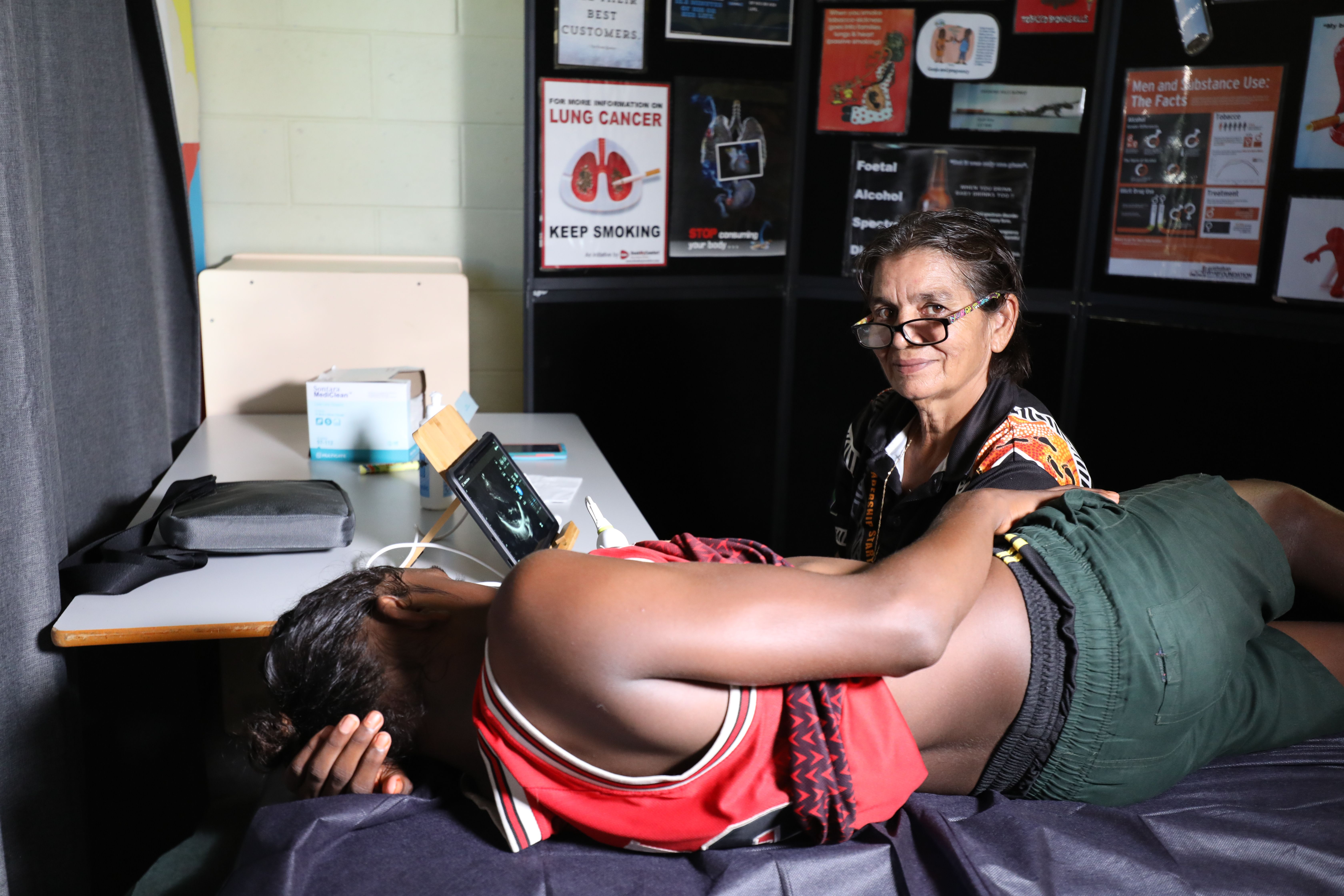
Dr Bo Remenyi appears in the documentary Take Heart; Deadly Heart, and spoke about how Indigenous people are at a disadvantage when it comes to health care.
"Indigenous children are dying from diseases and poverty in Australia that does not make the news," she said.
"Completely preventable conditions at a number of different stages - housing, treating skin and throat infections, delivering secondary prophylaxis, delivering surgery.
"We have all this opportunity to stop death, but these kids fall through those gaps and it just appears to be normal."
Since the filming of the first film Take Heart one of the three children has since passed away from the disease.
The new documentary also touches on other heartbreaking stories of Indigenous youth dying from the disease and seeing the hard impact it has left their families.
However, there is hope for those who reside in remote communities and there have been solutions to help prevent more children being diagnosed with RHD.
Catching the early stages of RHD can help save the children's lives and it's up to the community to step in. Some communities are using their own Indigenous language to teach children in school about the importance of good hygiene and washing their hands. and community leaders are facilitating regular health check ups for residents.
Charity Orange Sky offers their services to communities by making weekly trips to remote areas, and at least one school has put a temporary clinic on the school grounds so that the students will feel more at ease and comfortable getting their treatment then receiving it in a hospital.
There is still a long journey ahead for RHD and ARF to be fully eradicated from Indigenous communities.
Ms Wade hopes the documentary Take Heart; Deadly Heart will continue to raise awareness in Australia that the problem with RHD needs to be looked at closely now.
"If we don't act now…the cases aren't getting any smaller," she said.
"This [Documentary] should evoke Aboriginal and Torres Strait Islander people to say this is no good, we need to take charge of our health.
"I am hoping it will get people thinking we can drive the destiny bus to our health."
Ms Wade and those fighting to stop RHD hope they can eliminate RHD by 2031.



