


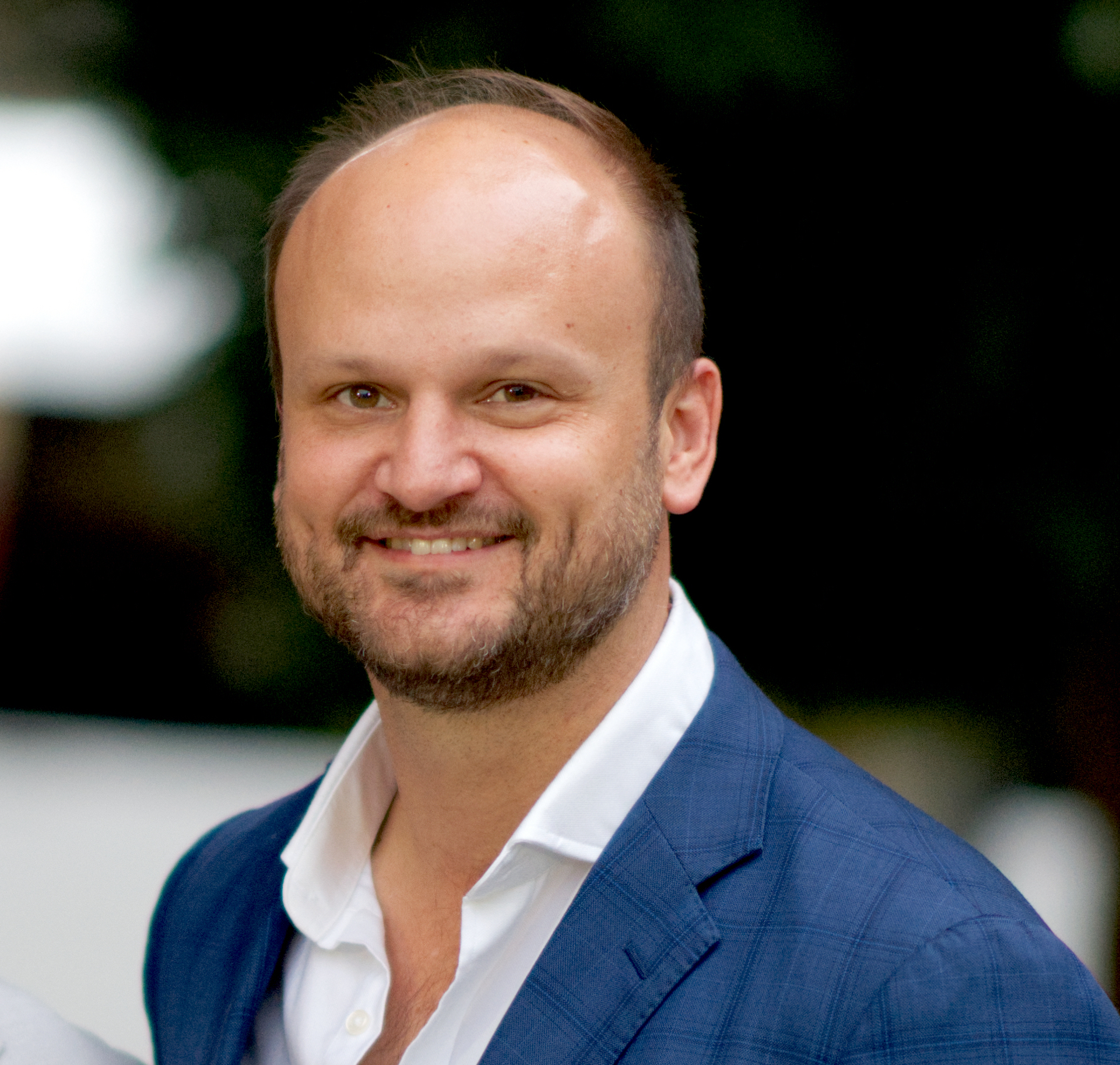

Legal proceedings launched by Equity Trustees against the South West Aboriginal Land and Sea Council and its former chief executive Wayne Nannup have reopened scrutiny of one of the most closely examined trust transactions in the history of the Noongar Charitable Trust.
The Supreme Court of Western Australia action follows the release of a statutory investigation by the Western Australian Charitable Trusts Commission, which found that Equity Trustees breached its duties as trustee in approving the $12 million purchase of the El Caballo Resort and Lifestyle Village in Wundowie without adequate due diligence or an independent valuation.
The litigation, filed this week, alleges misleading or deceptive conduct by multiple parties involved in the transaction and seeks to shift liability for losses arising from the failed project.
SWALSC has rejected that characterisation, pointing to the findings of the Commission, which place responsibility for the decision squarely with the trustee.
Background to the acquisition
The El Caballo properties were acquired in March 2020 using funds from the Noongar Charitable Trust. At the time of purchase, the $12 million transaction represented around 30 per cent of the trust's total assets.
The acquisition followed a proposal advanced by Mr Nannup, then chief executive of SWALSC, to repurpose the former resort and retirement village as a social housing and healing facility addressing homelessness and employment for Noongar people. A scoping paper prepared by consultants in late 2019 described the site as having a notional value exceeding $32 million and outlined staged redevelopment plans.
In addition to the purchase price, a further $1.5 million was later distributed to the Aboriginal Housing Recovery Centre Limited to fund refurbishment and working capital. The project did not proceed as planned, and the property failed to become operational.
Findings of the Charitable Trusts Commission
Following complaints from SWALSC and community members, the Western Australian Charitable Trusts Commission conducted a two-year investigation into the transaction.
In its August 2025 report, the Commission found that Equity Trustees acted imprudently by failing to obtain an independent market valuation, relying instead on representations from consultants who were not qualified valuers, and accepting a valuation methodology that could not be substantiated.
A retrospective valuation commissioned by the Commission found that the combined market value of the El Caballo properties at the time of purchase was approximately $5.9 million, creating a discrepancy of more than $6 million between market value and the price paid.
The Commission concluded that Equity Trustees breached its duties as trustee of the Noongar Charitable Trust and that the subsequent $1.5 million distribution for refurbishment was causally linked to the initial imprudent purchase. It found that the trustee's obligations were non-delegable and could not be discharged by reliance on advice from SWALSC or its chief executive.
The report recommended that Equity Trustees make submissions on restoring the trust estate and noted that mediation was the preferred pathway to resolution.
Legal action and response
Despite those findings, Equity Trustees has now commenced legal proceedings against SWALSC, Mr Nannup and associated advisers, alleging misleading or deceptive conduct in the lead-up to the acquisition and seeking indemnity against any liability arising from the loss.
In a public statement today, responding to the proceedings, SWALSC said the action was inconsistent with the findings of the statutory investigation and reiterated that responsibility for the transaction rested with the trustee.
SWALSC noted that Equity Trustees, as trustee, held sole legal authority over trust assets and was responsible for ensuring compliance with trust law, including the obligation to independently assess risk and value before committing funds.
The council also pointed to the Commission's recommendation for mediation and said the decision to pursue litigation would delay restitution to Noongar people.
While Mr Nannup is named in the proceedings, the Charitable Trusts Commission did not attribute the breach of trust to him
The investigation acknowledged that Mr Nannup strongly advocated for the El Caballo project and relied on consultants in developing the proposal. However, it found that the failure lay in Equity Trustees' acceptance of those representations without independent verification.
The Commission noted that Mr Nannup did not have legal control over trust funds and that decision-making authority rested solely with the trustee. It concluded that Equity Trustees was required to interrogate the proposal and test its assumptions, rather than rely on information provided by project proponents.
Mr Nannup, now chief executive of the Aboriginal Legal Service of Western Australia, has not publicly commented on the proceedings.
'It was never designed for commercial return'
In 2021, Mr Nannup told National Indigenous Times: "The purpose of buying El Caballo was for social return, this is a long term strategy to take our most vulnerable people off the streets and through programs out there and reintroduce them back into the community."
"It was never designed for commercial return," he said. "As it happens, there are commercial opportunities there which can support the social programs, which are the primary focus. We have training facilities, there are two commercial kitchens, it is set up for equine therapy, horticulture, and there are construction opportunities.
"We can run training programs right through there, and that was the thinking behind why we would purchase something like El Caballo. Selling it is not what we bought it for. The purchase was for long-term sustainable programs."
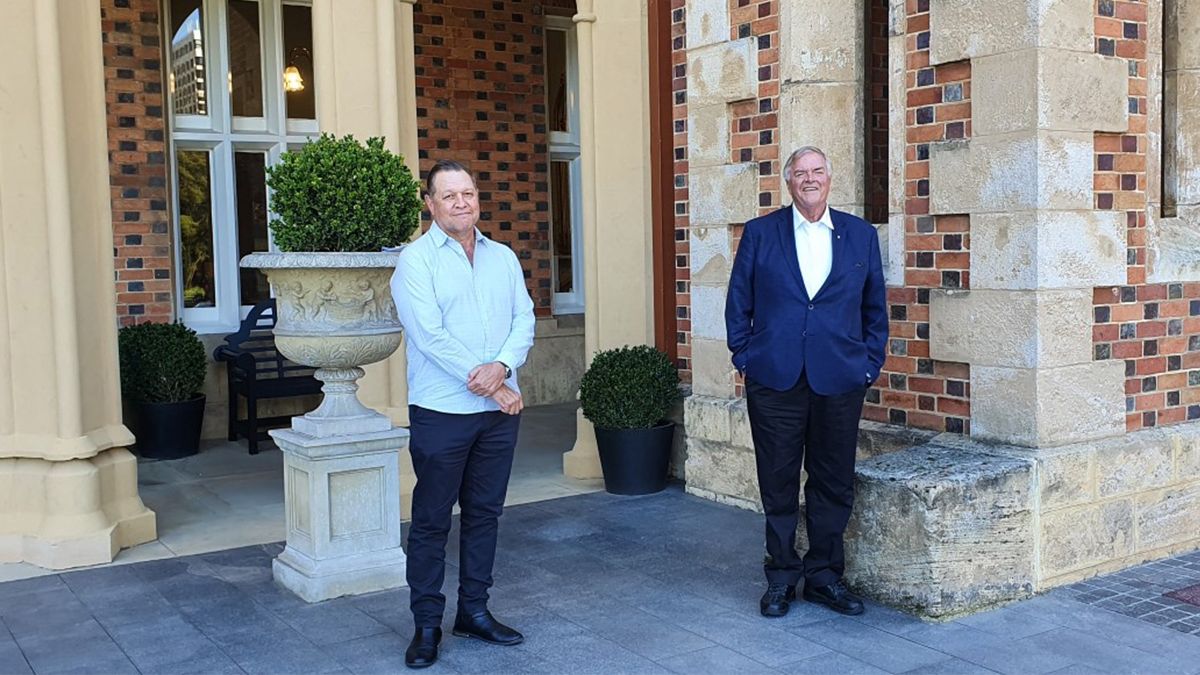
Then Governor of Western Australia Kim Beazley applauded Mr Nannup's vision at the time of the purchase saying "this is a major initiative of resilience and self-reliance that comes at a critical time".
"Wayne made clear to me its multi-functional purpose. It will house 180 Aboriginal people, but also support services responding to domestic violence, a rehabilitation centre, cultural awareness centre and a specialist aged care and child care," he said.
"It is one of the most exciting initiatives I have seen as Governor. Folk have stepped out into action on a multiplicity of fronts that are the subject of endless conversation. There is a passion here to exceed in an area of real need."
Broader implications
The El Caballo case has attracted national attention as a test of how Indigenous settlement funds are governed and the obligations placed on professional trustees managing community capital.
The Charitable Trusts Commission emphasised that social impact investing is not incompatible with trust law and that trustees may legitimately prioritise community outcomes over financial returns. However, it stated that such decisions must still be underpinned by robust due diligence and prudent decision-making.
As the dispute moves through the courts, the Commission's findings remain the most authoritative account of the transaction to date. Those findings place responsibility for the El Caballo loss with the trustee, not with SWALSC or its former chief executive.
The outcome of the litigation will be closely watched by Indigenous organisations, trustees and policymakers, given its potential implications for the governance of Aboriginal charitable trusts nationally.



