




A majority of Australians have voted in support of changing the date of Australia Day, marking a potential solution to the ongoing debate surrounding January 26.
On Wednesday, a national poll commissioned by Future Super on behalf of Clothing the Gaps showed that Australians are prepared to move Australia Day from January 26.
The poll surveyed 1,508 Australians across all states and territories, who were asked to choose between the following options:
An Australian Long Weekend: a public holiday on the second-last Monday of January (18-24 January), creating a guaranteed summer long weekend.
Australia Day fixed to January 26: which may not result in a long weekend if it falls midweek.
Data showed that 54 per cent of Australians support celebrating on the second-last Monday in January.
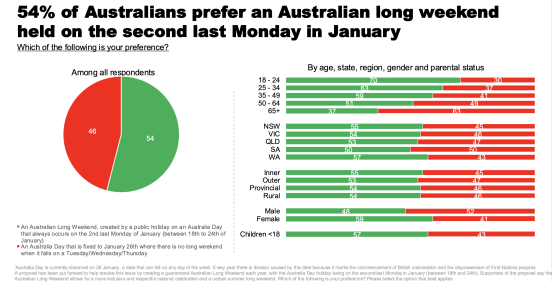
Broken down by state, Western Australia leads the nation with 57 per cent, followed by New South Wales (55 per cent), Victoria (54 per cent) and Queensland (54 per cent). South Australia was evenly divided.
70 per cent of 18 to 24-year-olds voted to change the date, followed by 63 per cent of 25 to 34-year-olds, 59 per cent of 35 to 49-year-olds, and 51 per cent of 50 to 64-year-olds.
Only those polled aged 65 and over opposed the change, voting 63 per cent to 37 per cent.
The results mark a step forward for First Nations advocates, highlighting growing support for a solution that recognises the cultural and historical significance of January 26 as a Day of Mourning.
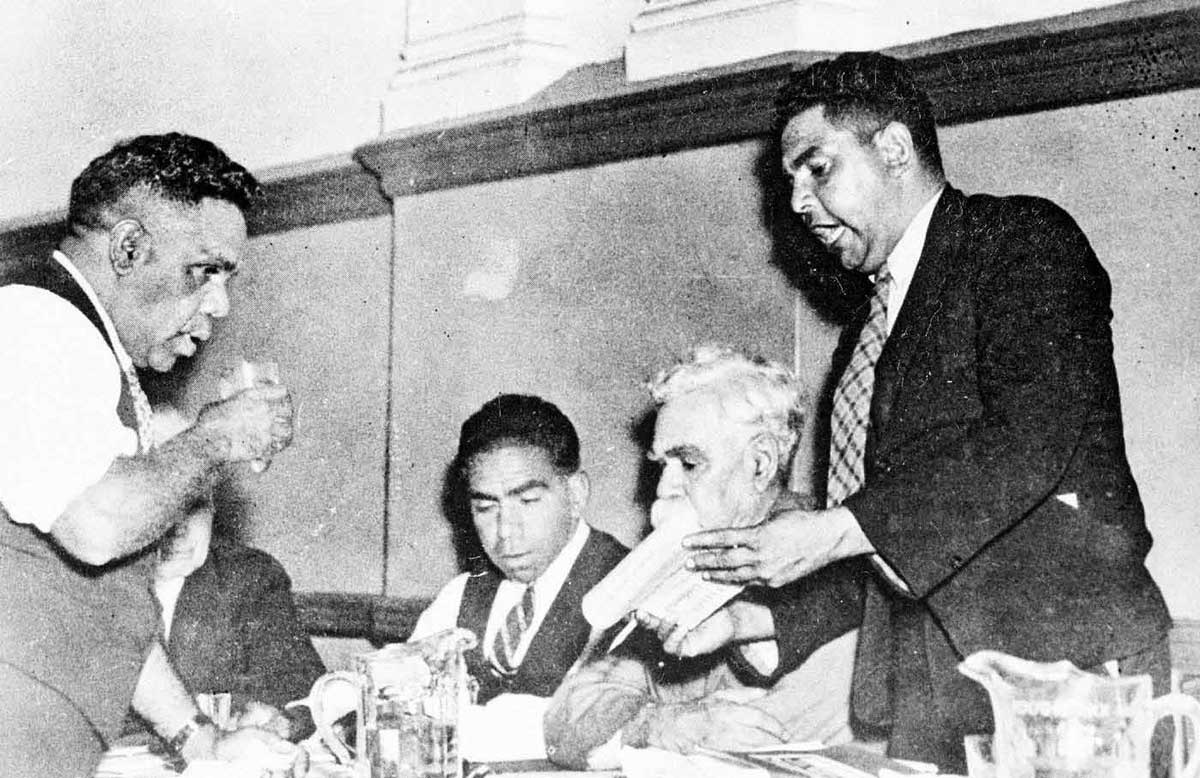
"Back in 1938, William Cooper and other Aboriginal leaders declared this day a Day of Mourning, so this isn't new," Laura Thompson, a proud Gunditjmara woman and CEO and co-founder of Clothing The Gaps, told National Indigenous Times last week.
"Of all the possible dates in our calendar to celebrate this nation, January 26 is the most disrespectful. It doesn't unite us as a nation. In fact, we have these same conversations every year - that we shouldn't be celebrating on this date."
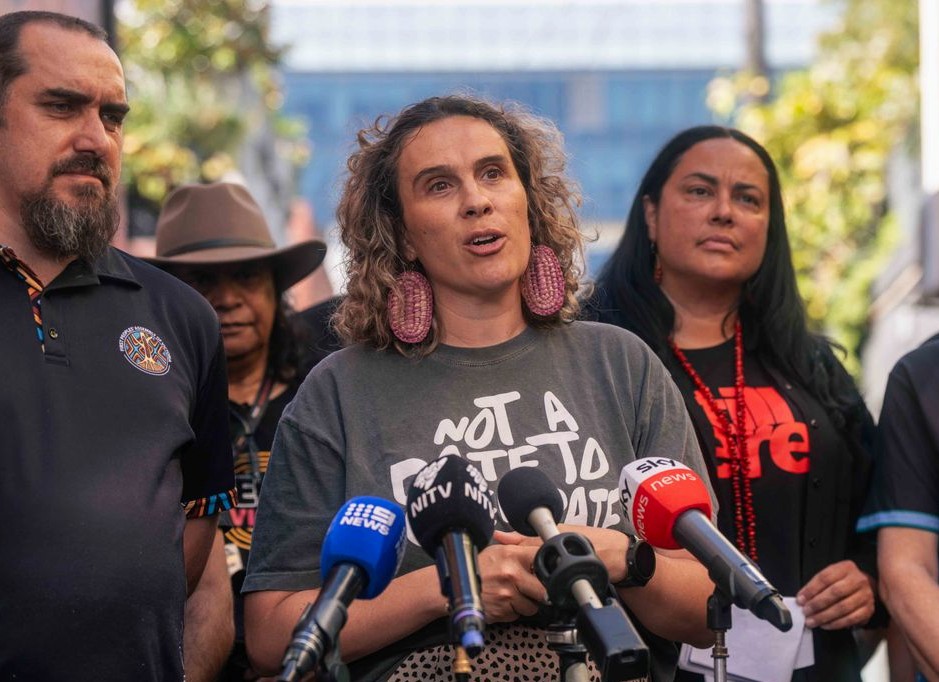
At Clothing the Gaps, Thompson said the focus is now moving toward practical solutions.
"We've been leading this campaign for the last five years. In the last few years, our petition has gained the support of 75,000 people, sparking a national conversation," she said.
"We're calling on leadership from the Labor government, and from Anthony Albanese, to listen to First Nations people and to Australians who are choosing not to celebrate January 26, and to reconsider what our nation's public holiday should be."
Ms Thompson said an Australian Long Weekend "offers a practical solution, creating distance from January 26, a Day of Mourning for First Nations people, while allowing for a national celebration that is inclusive and respectful".
"There is clear support for changing the date... the majority of Australians are ready to move forward," she said.
Support for a new date is echoed by other advocates, such as Phil Jenkyn OAM, co-convenor of the Australia Long Weekend. He said changing the date would benefit all Australians, while remaining respectful of First Nations people.
"There is strong support for moving the public holiday to a time in January that brings people together, for the benefit of all," he said.
"This isn't about taking something away; it's about finding a solution that works. An Australian Long Weekend is a practical, common-sense way to move forward without continuing the harm caused by January 26."
Simon Sheikh, CEO and founder of Future Super, said an Australian Long Weekend presents a fair and practical solution to the debate.
"Aussies love a long weekend, and a long weekend would allow us to truly celebrate all of the things that make modern Australia great while leaving January 26 as a day of mourning," he said.
"That's why we're standing with Not a Date to Celebrate. Inequality isn't sustainable, and real progress requires listening, learning and acting even when it's uncomfortable."
The result aligns with broader community support for the Australian Long Weekend petition, which has received more than 23,000 signatures, along with Clothing The Gaps 'Not A Date To Celebrate' petition receiving over 83,000 supporters, and more than 150 businesses publicly in support.



