



Two Aboriginal freedom fighters have been remembered on the anniversary of their hanging at ceremonies in Victoria and Tasmania.
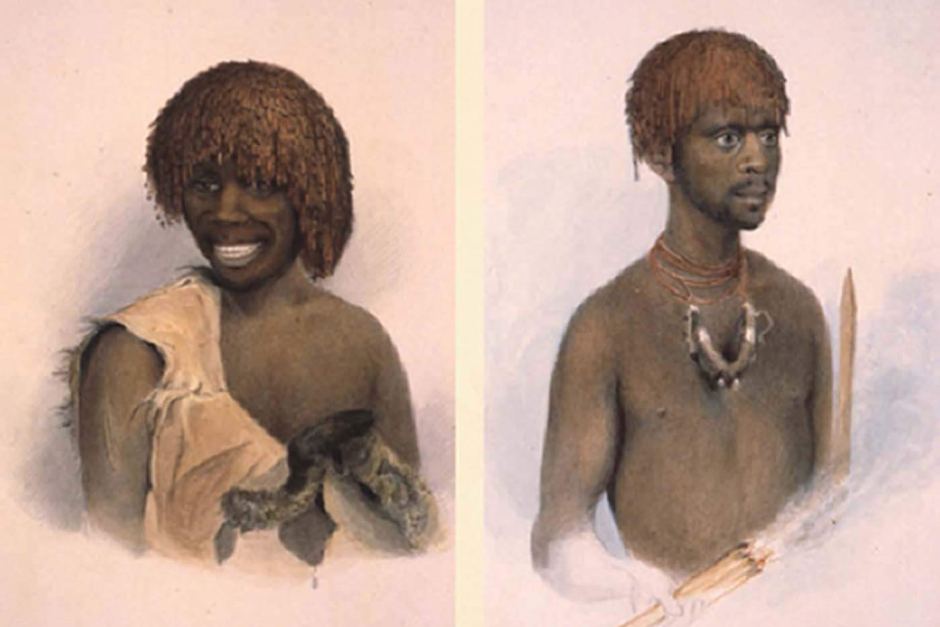
Tunnerminnerwait, a Parperloihener clansman born on Robins Island in Tasmania's north west and Maulboyheenner, a Pairrebeenne/Trawlwoolway man from Tebrakunna Country in the state's north-east were executed after resisting the genocide of Aboriginal people 183 years ago.
In 1842 they became the first people to be hanged in Port Melbourne three years after being brought there by 'Protector of Aborigines', George Robinson.
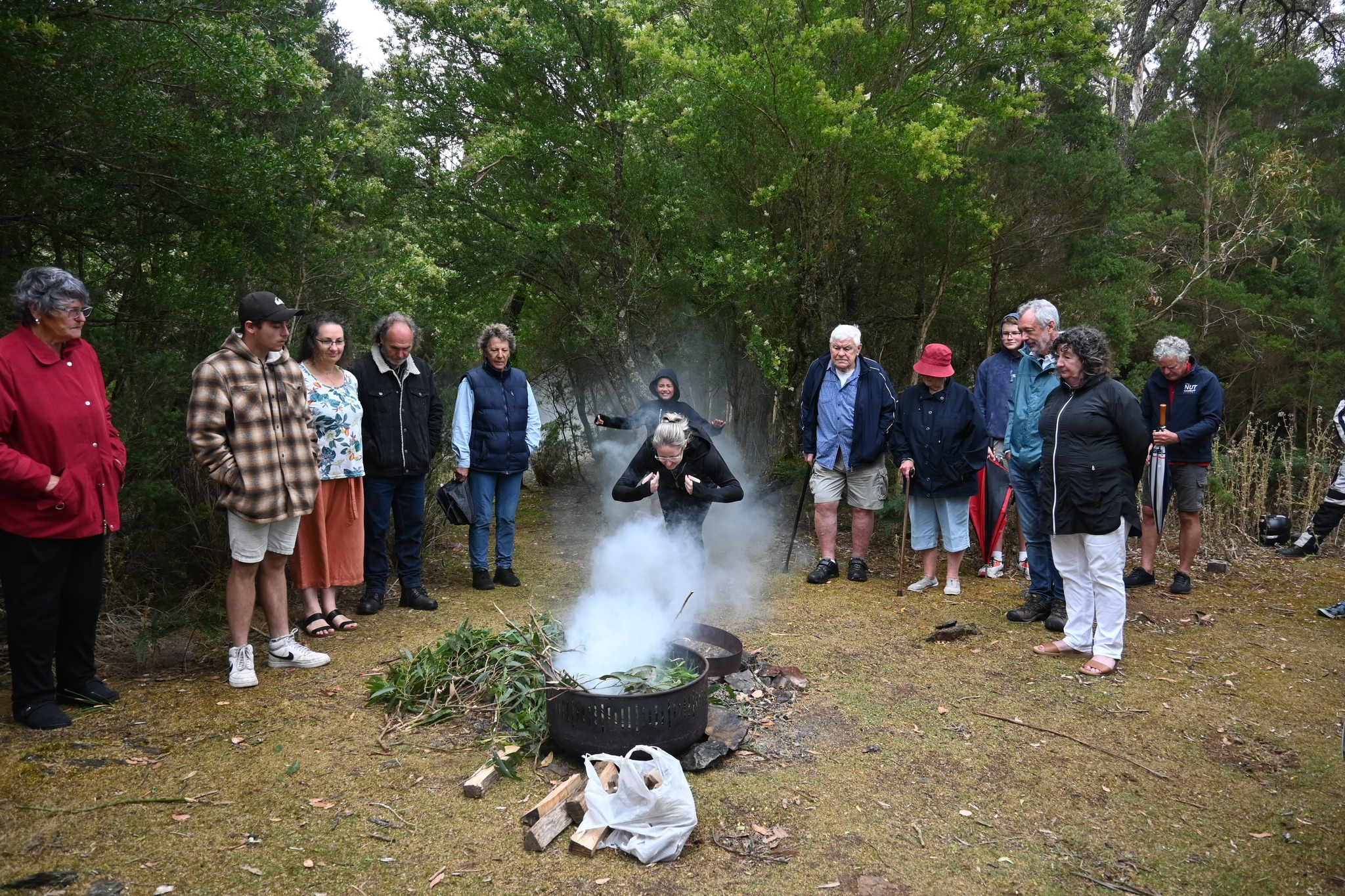
Ceremonies were held in both Melbourne and at Robbins Crossing, near Smithton in Tasmania's far north west this week to commemorate the clansmen.
As part of Tunnerminnerwait Day commemorations at Robbin's Crossing, Rochelle Goodwin from the Circular Head Aboriginal Corporation paid tribute to Tunnerminnerwait as "one of our local heroes".
"But Tunnerminnerwait's story was not driven by the desire to be a hero," Ms Goodwin said.
"It was a story of survival—a fight for his people's survival, which he faced alongside his brothers and sisters until his final breath.
"For us, he is a hero— we admire him not just for his courage, but for his resilience, determination, and strength in the most harrowing of times."
Records suggest Tunnerminnerwait and his wife, Planobeena, were among a group of 16 Tasmanian Aboriginal people brought to Port Melbourne by Robinson in 1839 with the intention they help "civilise" the Victorian "Blacks" (in the terminology used by colonial authorities).
After arriving Tunnerminnerwait and Maulboyheenner were convicted and publicly hanged in relation to the death of two whale hunters in the Western Port area, after not being permitted to give evidence in their defence during the sham trial.
At Monday's commemoration, Ms Goodwin commended Tunnerminnerwait's bravery in walking alongside his European coloniser.
"His remarkable achievement lies in his unwavering bravery to walk alongside George Augustus Robinson, a foreigner, and share with him his language—some of the most vital recordings we now possess to preserve his language and culture today," Ms Goodwin said.
"This preservation would not have been possible without Tunnerminnerwait's extraordinary bravery.
"There is no nobler act than the wit and foresight to see his time with Robinson as an opportunity for cultural survival, when the extinction of his people seemed imminent.
"In the face of such an uncertain future, there could be no better definition of heroism."
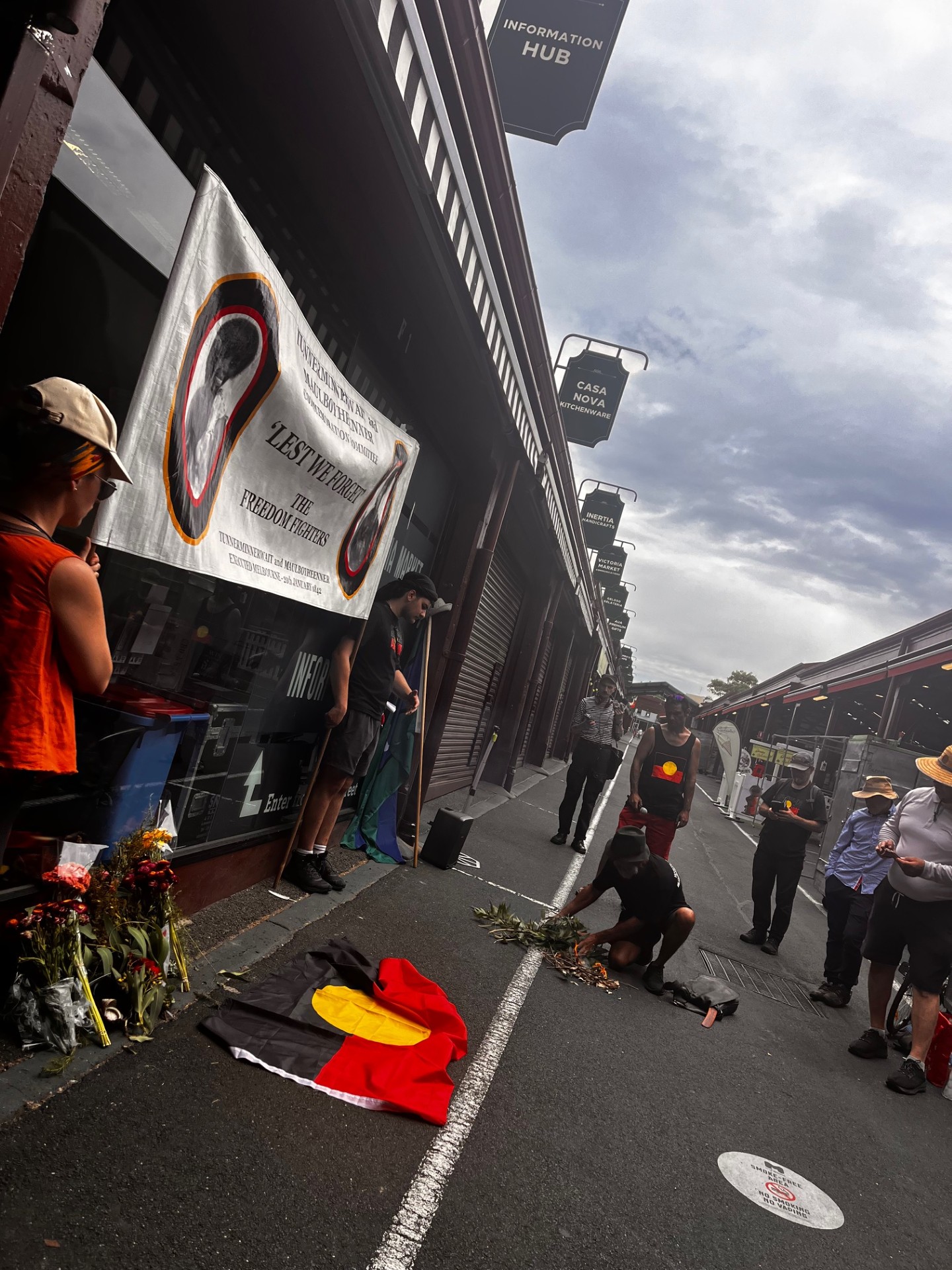
Also held on Monday on the other side of the Bass Strait, members of the Tasmanian Aboriginal community attended a commemoration at the Tunnerminnerwait and Maulboyheenner Monument in Melbourne's CBD.
Speaking at the ceremony, Circular Head Aboriginal Corporation (CHAC) chair Selina Maguire-Colgrave said she, general manager, Peter Benson, and cultural manager, Camilla Woolley were "blown away" by interstate support for Tunnerminnerwait, their "original freedom fighter".
"To come over to another state and see so many people here, and to see him still smiling, I think he would be smiling today," Ms Maguire-Colgrave said.
"I don't know if he'd be happy or sad that we're still fighting for our freedoms in some ways, but he's our original freedom fighter."
Ms Maguire-Colgrave said her people recognise the story of Tunnerminnerwait as a recognition of the resistance displayed by Tasmanian Aboriginal people during colonial times.
"We remember Tunnerminnerwait where we're from because the brutal Tasmanian history wiped out a lot of our memories or our resources." Ms Maguire-Colgrave said.
"We can't just look up. We don't have any books. We don't have written language… but we do have the story of Tunnerminnerwait.
"So by remembering Tunnerminnerwait, we remember every single, every single person that stepped foot on Parperloihener country in Tasmania, but particularly Parperloihener nation…
"By remembering Tunnerminnerwait we're remembering all them as well."



