




Safety reforms in the early childhood sector have been cautiously welcomed by the peak body for First Nations children and families, though they argue that change must go further than regulation alone.
Education Minister Jason Clare announced on Friday that work will "start immediately" on a national education register, which will be "developed from scratch," with $189 million committed at a meeting with state and territory counterparts.
"It will require changes to the national law and legislation and we will pilot that, and trial that, in December of this year, with it rolling up from February of next year," Mr Clare said, adding everyone has a responsibility to ensure children are safe in early childhood education.
While the Minister acknowledged the register will not be a "silver bullet," it forms part of a childcare safety package which also includes mandatory safety training and a trial of CCTV in services—reforms he has previously flagged as priorities.
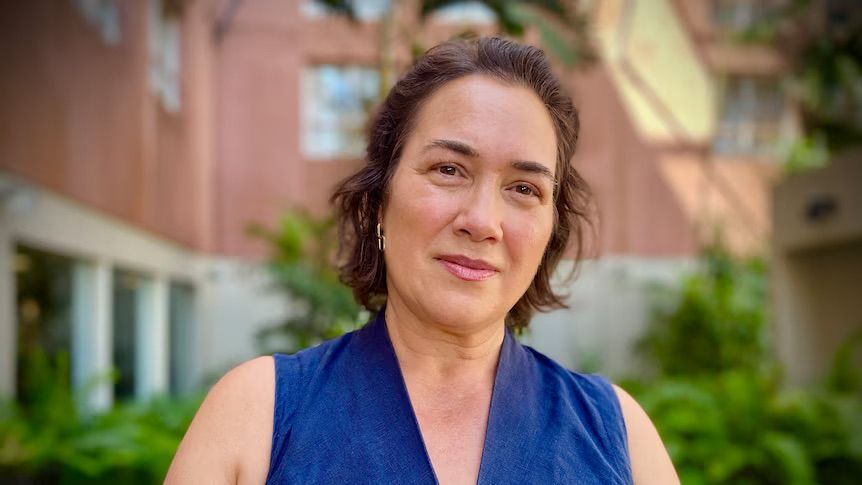
In a statement, SNAICC – National Voice for our Children, welcomed the commitments but stressed reforms must examine why current systems have allowed unsafe environments to persist.
Chief Executive Catherine Liddle said SNAICC looked forward to working with governments on child safety but argued a "serious examination" of "systemic failings" is needed.
She said the "vast majority" of childcare workers are dedicated professionals who understand change is necessary, but added safety and wellbeing require more than rules.
"We must be looking at issues around workforce and training, inequitable and difficult access to services and a funding model that incentivises profit over care," Ms Liddle said.
"Governments need to be looking towards the unique expertise and supporting the needs of the services and workers that do it best."
Mr Clare confirmed the Australian Centre for Child Protection will roll out national safety training from next year.
"We are very conscious in everything that we do here that training people who work in our centres to be able to spot a person who might be hiding in plain sight up to bad things," he said.
"Is it everything we need to do? No, of course it is not. But it is the next thing we must do and we have agreed to do today. This is not the end… The awful truth is this work will never end because there will always be bad people who try to poke holes in the system and find vulnerabilities."
The government's CCTV trial will cover 300 childcare centres, overseen by the Australian Centre for Child Protection and will be federally funded.
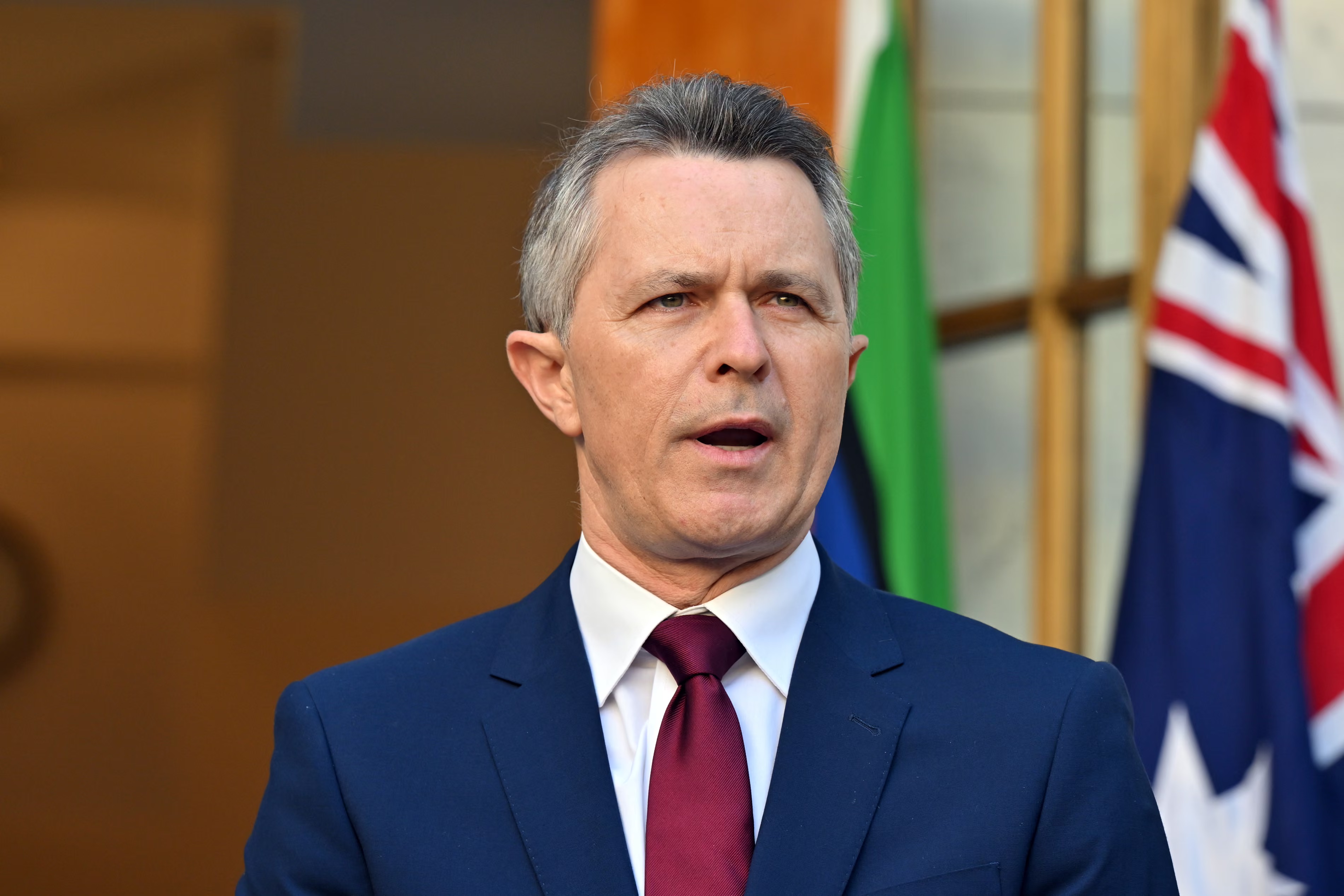
Speaking on ABC Breakfast, Mr Clare said the government "cannot be complacent here," but accepted "cameras can't do everything".
"They can help to deter people from doing bad things," he said.
"They can help police with their investigations afterwards, but ultimately the greatest asset we've got here to keep our children safe are the incredible workers in our centres."
Ms Liddle shared this sentiment, saying: "Our members are concerned CCTV gives parents a false sense of safety and risks being an expensive and ultimately largely ineffectual tool."
National Children's Commissioner Anne Hollonds told the ABC CCTV may have a role to play, but was shared caution about the over-reliance on technology.
"These other elements [to protect children] include the recruitment of the right people … the mandatory safety childcare training. The human elements are far more important than CCTV," she said.
A number of states have recently launched safety reviews following allegations of child abuse by a worker in Victoria, alongside other significant incidents across the country.
SNAICC pointed to the 2024 Productivity Commission review, which recommended an independent National Early Childhood Education and Care (ECEC) Commission to provide leadership, oversee reform and act as a system steward.
Ms Liddle said they support this proposal, calling for a body that reflects "the sector, families and workforce, that accommodates the unique needs of Aboriginal community-controlled ECEC services".
"We stand ready to work with Government to drive these reforms to ensure they have the best outcomes for our children and our services," she said.



