


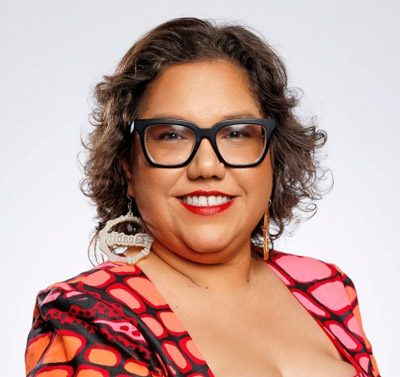

In our communities, grief isn't just personal. It's layered, collective, and often starts too young.
For many young First Nations people, loss is not a distant event; it's a regular part of life. Sorry Business, cultural responsibilities, and mourning weave through their upbringing. They're navigating adulthood before their time, carrying emotional responsibilities that go unseen outside of community.
This year's NAIDOC Week theme — "The Next Generation: Strength, Vision & Legacy" — reminds us that while our young people carry deep grief, they also carry our future. Their strength deserves to be recognised. Their stories deserve to be heard. And their leadership must be nurtured; not later, but now.
Marilyn Gurruwiwi, a 17-year-old Yolŋu woman, has given us one of those stories. Her words are honest, raw and unflinching. They speak not just to her own journey, but to the journey so many of our youth walk; in silence.
"Grief Doesn't Knock—It Crashes In"
By Marilyn Gurruwiwi
I'm 17 years old, and I've already been to more funerals than birthdays.
When I was five, my mum passed away. I didn't really understand what was happening back then. People around me were crying, grieving, but I was just a kid. I didn't know what it meant to lose someone forever.
As I got older… I started to feel it. That space she left. That silence.
Then, when I was 14, my big brother passed away. That one… that one hit me hard. I was old enough to understand. Old enough to break.
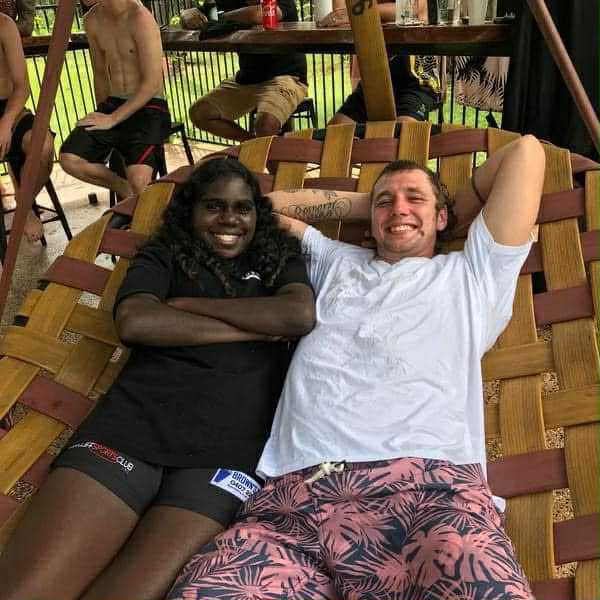
Since then, I've lost more people; family members, people close to me. So much loss in such a short life. Sometimes, I'd sit there thinking, Why do I have to keep saying goodbye?
But I'm Yolŋu. And in our way, our people don't ever really leave us.
I still feel my mum. I still feel my brother. They're spirits now. They walk beside me. I see them in the stars, I hear them in the wind. They're still here, just not in the way they used to be.
One turning point for me—something that really shifted everything—was when I shared my story with a bunch of classmates in Canberra. I'd never talked about all this like that before. But standing there, being open, being vulnerable—it helped me start to heal.
It showed me that people do listen. That my story, my pain, my culture… they matter.
Grief's not something you fix. It's something you carry. It becomes part of who you are. But with time, you learn to carry it better.
You learn that healing doesn't mean forgetting. It means remembering, without breaking.
So this is for anyone out there carrying grief: You're not alone. And even when it hurts so bad you think you can't breathe, remember this; you've got people walking with you. Even the ones you can't see anymore.
-
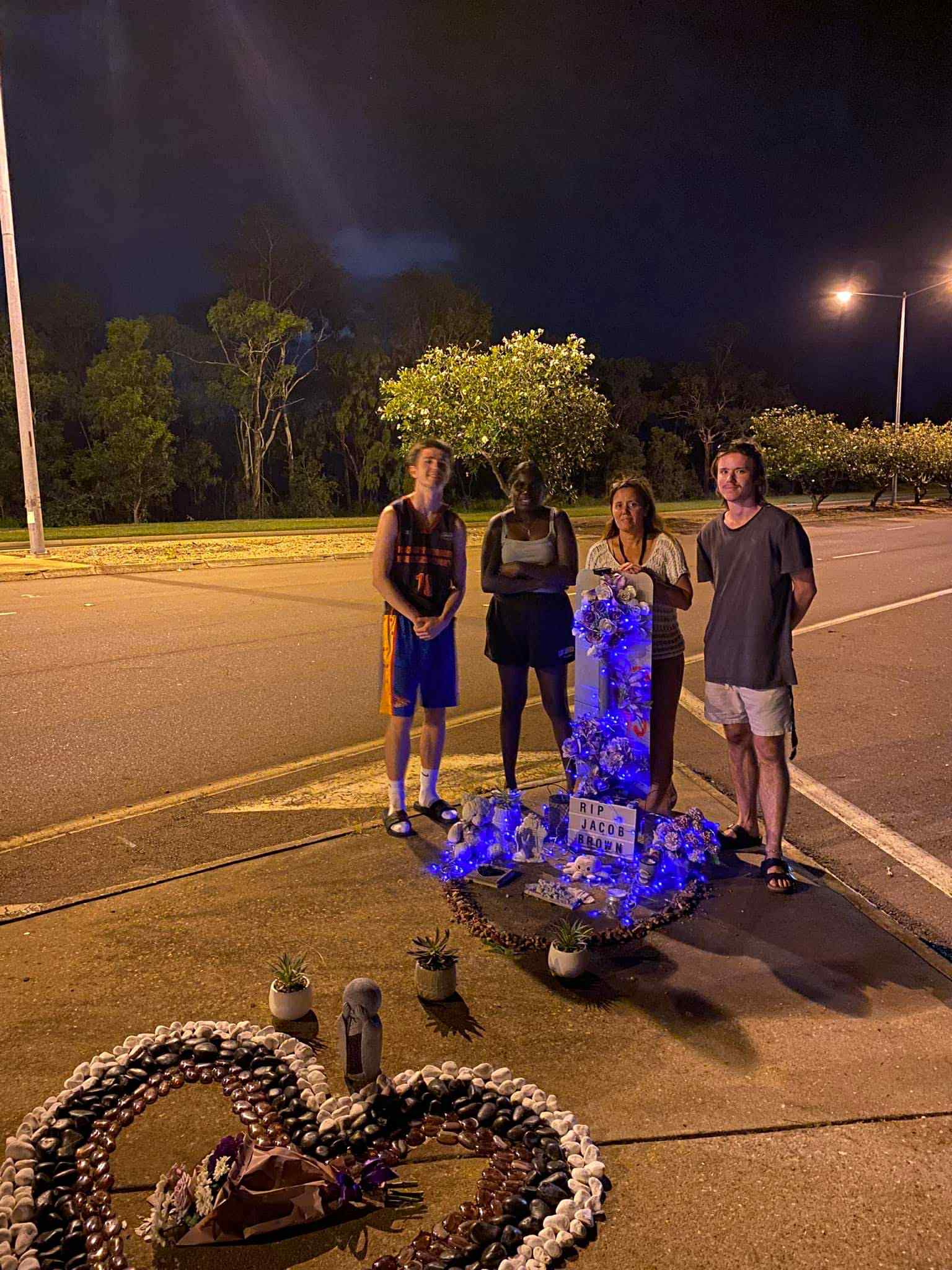
As a proud First Nations woman, leader, and mother, I see it as my responsibility to hold space for voices like Marilyn's. Our young people are not just surviving grief; they are transforming it into wisdom. They are holding the stories of those who came before, while creating legacies of their own.
We must all find ways to uplift the voices of the next generation; to listen, to make space, and to walk alongside them as they carry strength, vision, and legacy into the future.
Marilyn is proof of that.



