




Marine biologists from Southern Cross University and Flinders University are collaborating with Traditional Owner groups to conduct a comprehensive census of the distinctive dolphin species found in the Great Barrier Reef.
This groundbreaking study focuses on two threatened inshore dolphins: the Australian humpback dolphin and the snubfin dolphin.
By working closely with Indigenous communities who have a deep connection to the sea country, scientists aim to gain valuable insights into the population and conservation of the marine creatures.
Southern Cross University and Flinders University researchers collaborate with Traditional Owner groups to understand dolphin distribution, numbers, and threats in the Great Barrier Reef. Filling data gaps for iconic Reef species, this study informs conservation efforts and collects data on encountered whale and dolphin species.
The Great Barrier Reef Dolphin Project is a collaboration between the Great Barrier Reef Foundation, Southern Cross University and Flinders University and is funded by the partnership between the Australian Government's Reef Trust and the Great Barrier Reef Foundation.
"In this remote and unexplored region, we need to understand the number, distribution and threats to inshore dolphins from the coast to the outer reef," said project lead Dr Daniele Cagnazzi, from Southern Cross University.
"Traditional Owner and Indigenous ranger groups will be key to this new study of their sea countries, as they provide consent for the study and access to their distinct sea country regions."
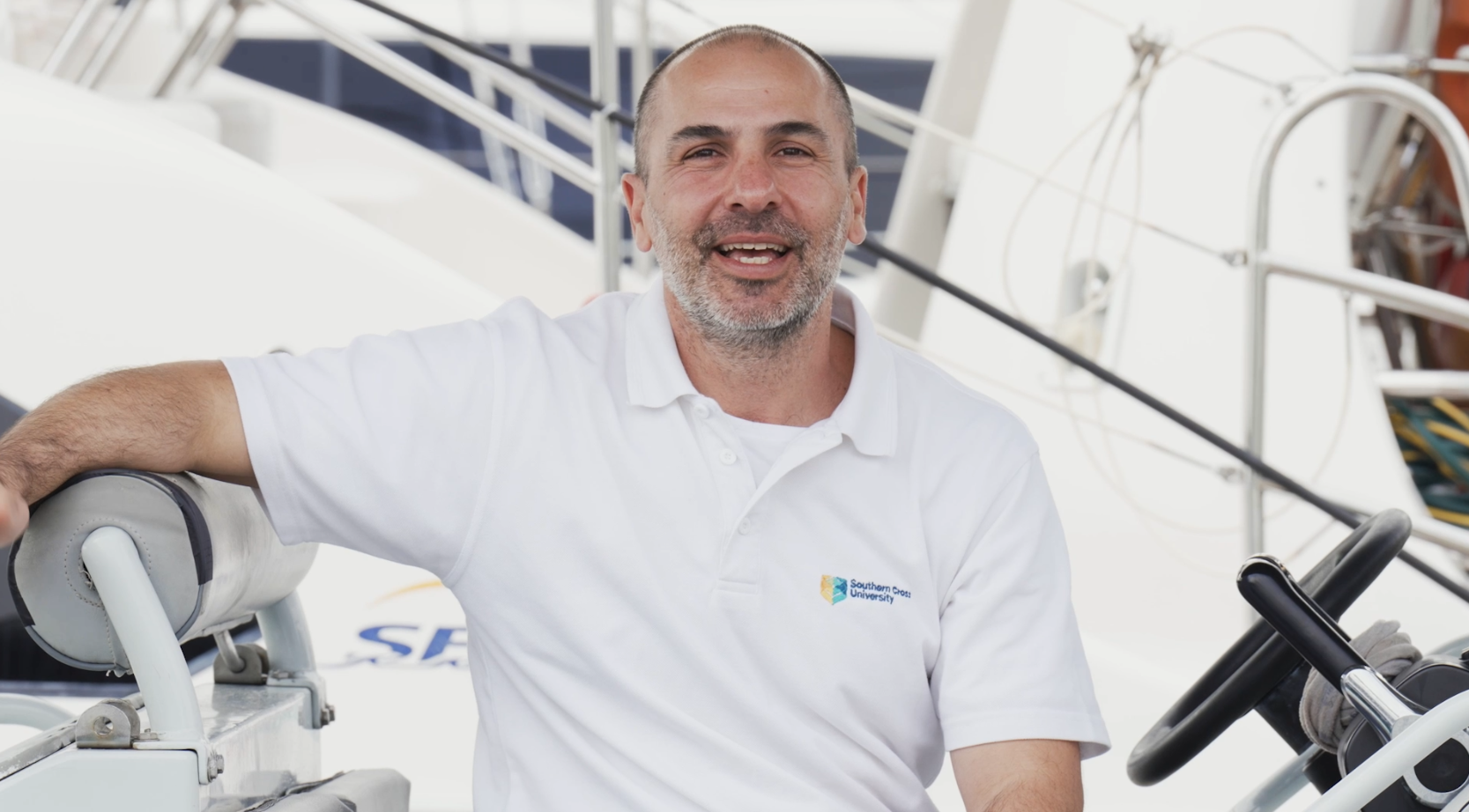
Inclusive project design extends to Traditional Owners, granting them opportunities to participate in all project aspects, including survey design alongside the research team.
The Great Barrier Reef, a haven for over 30 cetacean species, features those same two highly charismatic dolphins, the Australian humpback dolphin and the snubfin dolphin. Although, limited knowledge exists regarding these specific species.
"Both species are vulnerable because they live in small numbers, have a low reproduction rate and are dependent on the quality of coastal habitat," said Dr Cagnazzi.
Co-lead research partner Associate Professor Guido Parra, from the Flinders University's Cetacean Ecology Behaviour and Evolution Lab (CEBEL), said the field work will involve extensive consultation, engagement and use of technology including AI and drones.
"This is an unprecedented opportunity for scientists and traditional owners to work together and fill in important gaps of knowledge concerning inshore dolphins in sea countries and the Great Barrier Reef," said Dr Parra.
"The public more generally can also play a big role in these complex environmental projects. People are invited to be our 'eyes on the Reef' and reporting sightings of dolphins to the Great Barrier Reef Dolphin Project."
Apart from documenting essential animal and environmental indicators, the researchers will delve deeper, aiming to reveal novel insights and measures that encompass the diverse social, economic, and cultural values associated with the Reef, benefiting individuals and communities.
Great Barrier Reef Foundation Managing Director Anna Marsden said the Great Barrier Reef was an irreplaceable ecosystem, home to thousands of species of marine life.
"We are proud to support this project to gain critical knowledge about these iconic species. The condition and behaviour of individual marine species can tell us a lot about the health of the Reef," Ms Marden said.
"We will expand our knowledge of the early warning signs of ecological change so that Reef managers and researchers can proactively manage and support these three key species of inshore dolphins."
Great Barrier Reef Dolphin Project
Phase 1: Engagement
The Engagement Project team, led by Dr Helen Penrose, has just wrapped up a series of meetings with representatives from more than 15 Registered Aboriginal Corporations along the Far North Queensland coastline, between Bloomfield and Bamaga, to gain their consent and support following the principles of Free, Prior and Informed Consent.
The scope of the engagement meetings was to present the project; to seek consent to survey within sea country regions; and discuss survey design, project logistics, survey protocols and methods, the research Partnership agreement, and cultural protocols.
Phase 2: Survey
The dolphin survey will be conducted between September and November 2023.



