




Weeds don't just have to be seen as invasive, but as playing a role within ecological systems, as recognised in an international award-winning paper from Gundungurra academic Dr Crystal Arnold.
Dr Arnold, from the University of Wollongong, drew from Aboriginal knowledge in her case study research using Shoalhaven River on the NSW South Coast.
Her report How can we re-envision care for weeds? Indigenous weed management on the Shoalhaven River is the winning entry to the British Ecological Society's (BES) Rachel Carson Prize.
The honour is handed annually to the best paper in a People and Nature Journal by an early career author.
Dr Arnold's report is outlined as challenging conventional weed control methodology.
It instead looks at weeds as having a place, rather than something only to be removed, from natural ecosystems, integrating First Peoples knowledge into environmental science informed by community engagement alongside fieldwork.
"This work demonstrates how centring Indigenous knowledge systems and the natural rhythms of Country can lead to more sustainable, relational and effective land-management outcomes," Dr Arnold said.
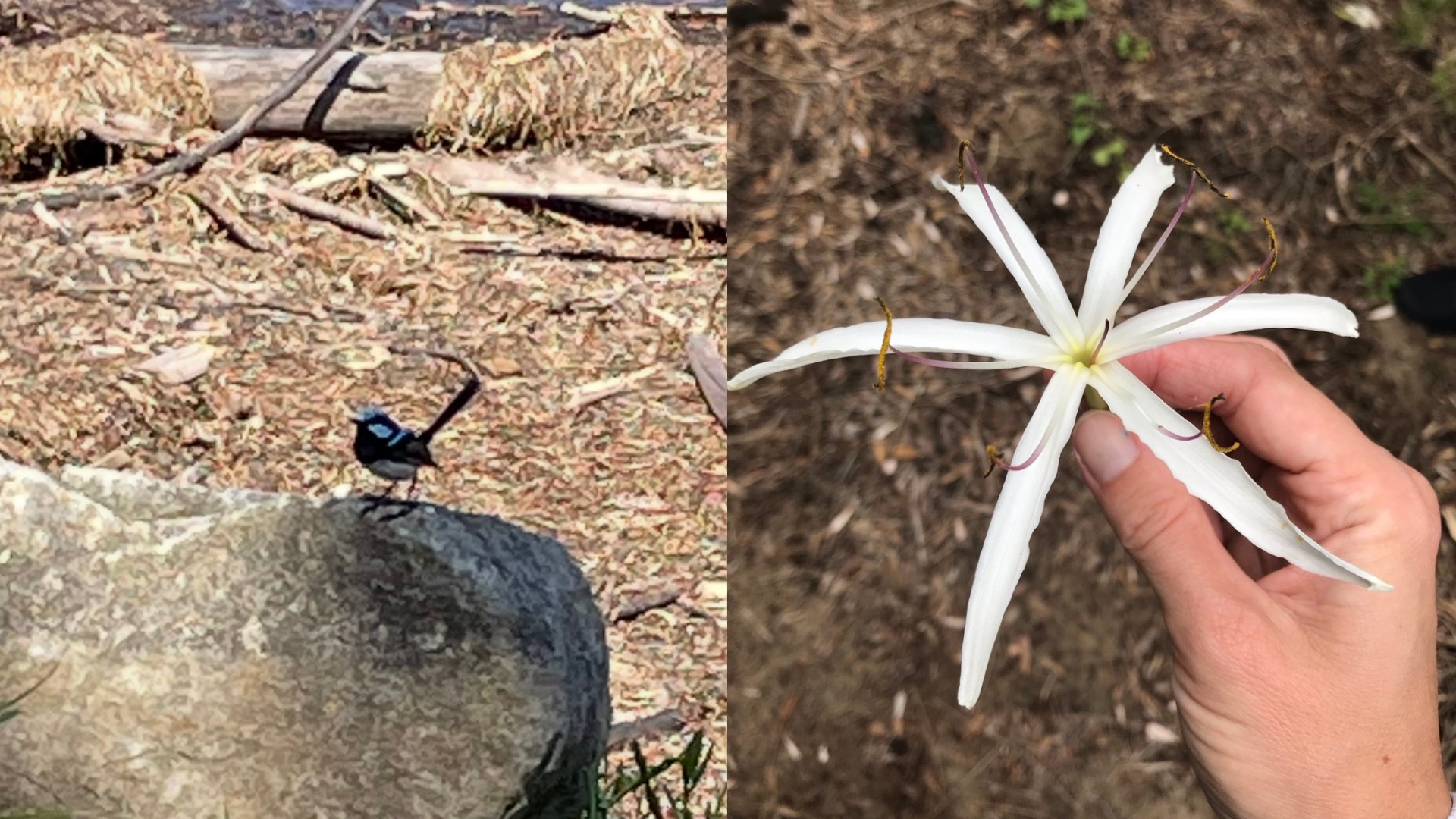
"It gave me the gift of spending time on Country and yarning with community.
"Learning from the generous wisdom shared by Elders deepened my understanding of reciprocal responsibilities to Country.
"This paper shows how listening to Country can guide more effective and respectful approaches to land care."
Traditional knowledge views weeds, instead of threats, as teachers, she said.
Dr Arnold works in UoW's School of Social Sciences; Faculty of Arts, Social Sciences and Humanities.
BES's winner description said through layers of methodology and philosophy crucial in learning from Country, Dr Arnold's paper "shares greatly needed lessons with generosity and gentleness that will challenge and change our view of belonging, relating and management of people-environment questions for decades to come".
People and Nature editor Andrea Rawluk said: "It is such a joy to offer recognition for work that brings change in how we collectively see, relate to, and reciprocate with nature."
"This re-envisioning explores methodological, philosophical and political questions at the heart of contemporary social and environmental challenges, sharing lessons that will influence thinking about people-environment relationships for decades to come," they added.
Dr Arnold is due to turn her research towards the 2019-2022 summer bushfires, and the relationship of weeds and native pollinators in areas affected by the fires.
Of her recent recognition, UOW Deputy Vice-Chancellor (Research and Innovation), Professor Alan Rowan, said Dr Arnold's work "demonstrates how Indigenous knowledge can inform practical, more effective approaches to environmental management".
"It is an important example of how locally grounded research can influence global conversations around sustainability and land care," Professor Rowan added.



