



As Aotearoa marks Tonga Language Week, three Tongan postgraduate researchers at Waipapa Taumata Rau, University of Auckland, are showing how culture, research and community service come together.
Their work showcases the strength of Tongan cultural knowledge systems and the role of lea faka-Tonga in guiding research.
PhD candidate in Pacific Health and Audiology, Linda Palavi, is working to improve hearing health pathways for Pacific families, especially children in Auckland affected by hearing loss.
Her research looks at ways to increase Pacific parental involvement in healthcare so families are active participants, not just recipients.
"There are very few Pacific researchers in hearing health," she said.
"I feel privileged to be one of them and to carry the responsibility of representing our communities in this space."
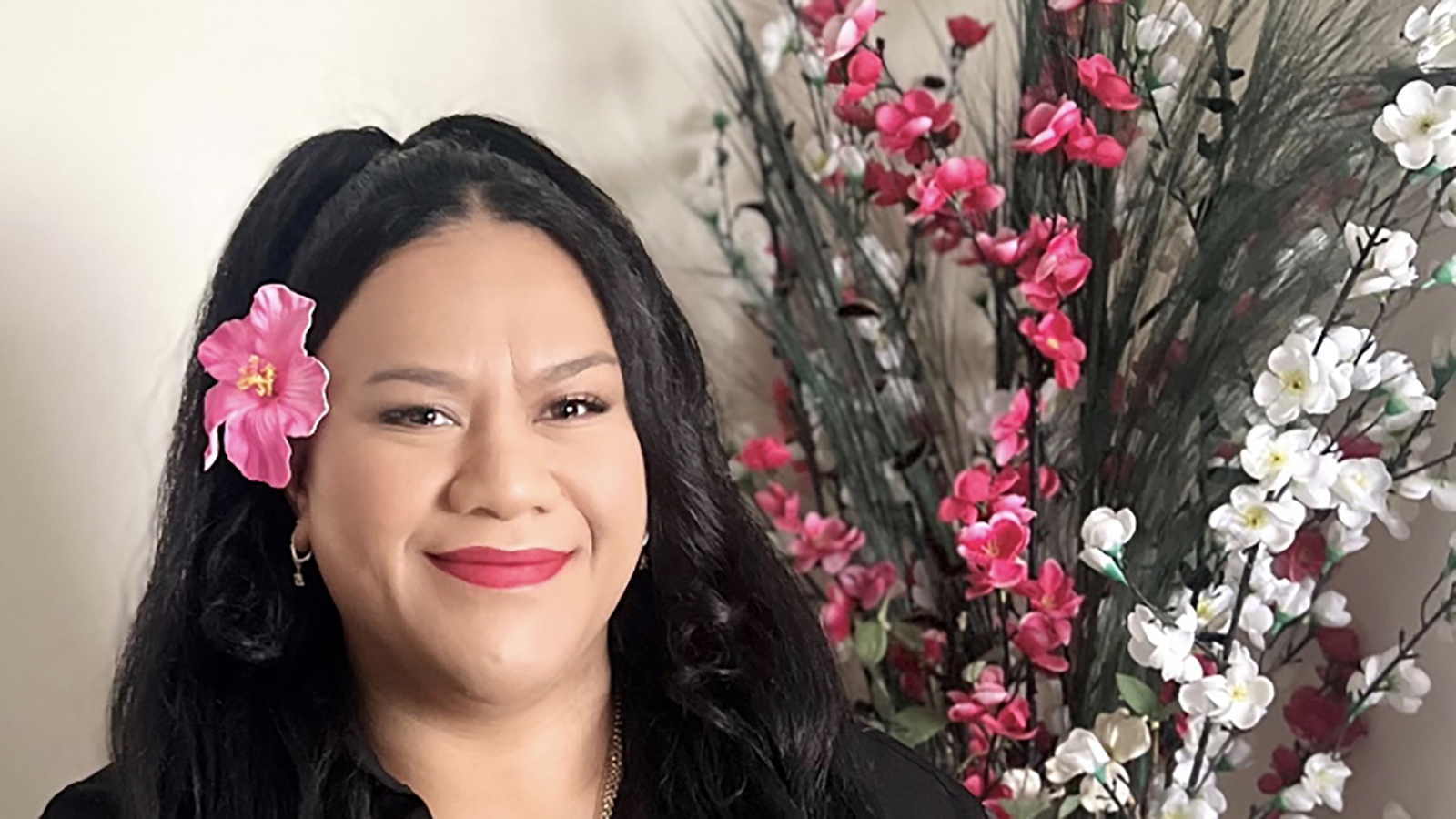
Ms Palavi's cultural identity shapes her work as she draws strength from her heritage, citing the proverb "Holo pe tu'u he ko e ngalu e fasi" - stand firm and the waves will break – which reflects resilience.
Supervised by Dr Elizabeth Holt and Professor Vili Nosa, she is part of a growing push to increase Pacific representation in audiology and public health.
Doctor of Education candidate 'Emeline Tu'imana (Vai-ko-Tokomea, Lofanga, Ha'ato'u/Ha'apai, Kolonga, Tava-tu'u-tolu, Kolomotu'a, Pahu, Halafo'ou/Tongatapu) is researching Vā tamaki - the complex space of Indigenous relationality.
Born and raised in Tonga, her fluency in lea faka-Tonga and Tongan worldviews provide the base for her study.
"Knowledge is a koloa - a gift from God and our ancestors. When we use our koloa to uplift others in ways that are 'aonga (worthwhile), that is true service," she said.
Her research is guided by Indigenous Pacific methodologies such as Kakala, Talanoa and Tā-Vā philosophy.
These frameworks honour relationality, storytelling and cultural depth.
Ms Tu'imana describes her work as resilience and empowerment - telling stories from within, not from outside.
She is supported by networks such as MAI ki Waipapa, Pasifika Success, Te Fale Pouāwhina, Fofonga, and PECAN.
"Most importantly, it's heartwarming to see the courage of young New Zealand-born Pacific scholars who confidently shapeshift across multiple worlds, ready to carry the baton forward," she said.
"The future is in good hands."
Second-year PhD candidate Vikatolia Ongolea (Lapaha Tongatapu, Kundiawa, Simbu Province) is designing a financial education framework tailored for Tongan communities.
Her research builds on her master's study and seven years as a financial mentor.
"Wealth in Tongan culture is defined through relationships - tauhi vā," she said.
"My research honours that by teaching financial literacy through a cultural lens."
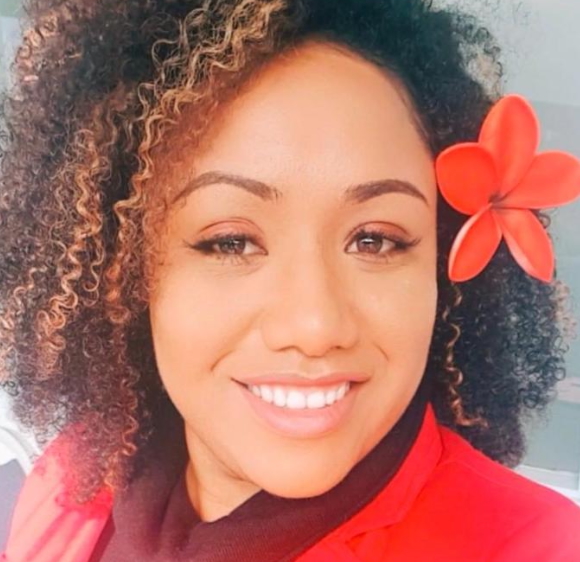
Her framework, Cultural Financial Capability Education (CFCE), links money management to Tongan values such as fua kavenga (social responsibility), fatongia (cultural obligations), and mo'ui fakapotopoto (living wisely and prudently).
Inspired by Indigenous scholars like Shawn Wilson and Linda Tuhiwai Smith, her work is based on the four golden pillars of Tongan society: faka'apa'apa (respect), tauhi vā (nurturing relationships), mamahi'i me'a (loyalty), and loto tō (humility).
Ms Ongolea notes success in Tonga is defined by strong kinship.
"Ko e masiva oku ongo taha, a e hala hā kāinga - to have no kin or no family is to be in extreme poverty," she said.
"This serves as a reminder that, no matter how wealthy you may be, lacking supportive relationships during times of need can leave you feeling impoverished.
"This perspective reflects how Tongans define wealth - through our relationships, our vā... nurturing these relationships (tauhi vā) is one of the key cultural values of the Tongan culture that I hold dear to my heart."



