



The AFL has begun to address the recent decline in Indigenous playing numbers, but the custodians of the code may not have been totally aware of the seriousness of the problem should players from one club had not spoken out.
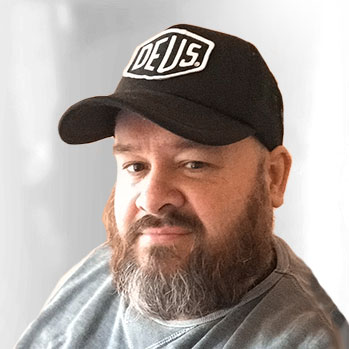
Karl Amon, Chad Wingard and Jarman Impey of Hawthorn, the one AFL club that remains mired in controversy over its treatment of past Karl Amonplayers, reached out to one of the newly-appointed Indigenous officials at the game's headquarters.
Paul Vandenbergh joined the AFL in January this year as the National Indigenous and Multicultural Engagement Manager within a workshop facilitation role.
Amon, who arrived from Port Adelaide via free agency, had already built a strong relationship with Vandenbergh during his seven years in charge of the club's Aboriginal programs.
To the point that Amon says Vandenbergh helped the young Noonuccul man, who was raised about 1800 kilometres away from his mob's country, find his culture since leaving Melbourne's Bayside suburbs for Alberton.
"The programs that Port (Adelaide) had in place through Paul Vandenbergh, were teaching it to students at schools and stuff, and I guess it just grew from there," Amon said at the launch of Sir Doug Nicholls round.
"Obviously being in the system I thoroughly enjoyed it, we could learn about it, and teach others it the same time.
"I guess moving over at such a young age, not really knowing anyone in Adelaide, he was a real father figure for me.
"His family, I'm still in touch with today and his wife Emma.
"He was a massive inspiration for me for what he does, but also he was a real warming figure as well."
Amon said clubs are doing well to retain Indigenous players once they join the AFL system, a point of contention more than 20 years ago where talent was lost after poor handling by management, staff and teammates that were not so culturally accepting.
The current concern centres around bridging the gap of developing and turning around junior potential enough to lure the clubs towards take a punt on investing further time on the same players.
"I think there's a lot of networking around the clubs these days – and they make the transition (into AFL football) really easy," Amon said.
"But I think our problem at the moment is that the numbers in the AFL are dropping, and that's a real concern for us players and, you know, what can we do as an industry to help grow that and get the numbers back up?"
The most recent example of Amon's concern was that only four Indigenous players in the nation was selected to play in the 2023 under-16 national championships.
Just one of them was staggeringly either from Western Australia or South Australia – two states that traditionally have delivered a majority of Aboriginal stars to the AFL, while Victoria alone produced three alike players in the top-flight tournament.
Junior development and recruiting guru Kevin Sheahan recently released a new AFL list of his top 75 prospects ahead of the 2025 national draft, and it has included just the three Indigenous players.
While Aboriginal footballers in particular are overrepresented in the percentage of players from AFL backgrounds in Australian society, the falling trend across five seasons from 87 listed players down to 71 by the 2024 season is alarming after a number of pathways over the past decades had continued to boost numbers exponentially.
"At Hawthorn we've got Chad Wingard, Jarman Impey and myself, I'd like to think are senior figures in the industry, and we have catch ups with Paulie and the AFL every now and then," Amon said.
"So we voiced that concern earlier this year and the AFL have taken notice of that and we just want to see change in the best way possible.
"I think the AFL have obviously noticed it and they're looking at certain situations of how they can help fix that.
"Whether that is rookie spots or NGA academies, or just trying to promote the game in the areas where we can get these kids into AFL systems and get them early as possible and make them feel comfortable."



